August 3, 2025
Belief Runs the Tank
The Aquarium Hobby as a Microcosm of Mass Illusion
Most people think belief is a personal thing—what religion you follow, what values you hold. But belief is much bigger than that. It’s a system. A script. A framework that doesn’t just run your mind—it runs whole industries, hobbies, and ways of life.
A few months ago, I returned to a childhood hobby: aquarium fishkeeping. Like many, my first experience with fish involved a small tank, plastic plants, goldfish, and weekly water changes. At the time, I didn’t know what I was doing. I just followed what others said, what pet store owners sold, what seemed “normal.”
But this time, I wanted something different. I didn’t want to keep the usual fish. I didn’t want to rely on someone else’s version of how things should be done. I wanted to build a tank that mimicked nature—something organic, self-regulating, and alive. I didn’t even know this was possible until I read Diana Walstad’s The Ecology of the Planted Aquarium.
And that’s when everything changed.
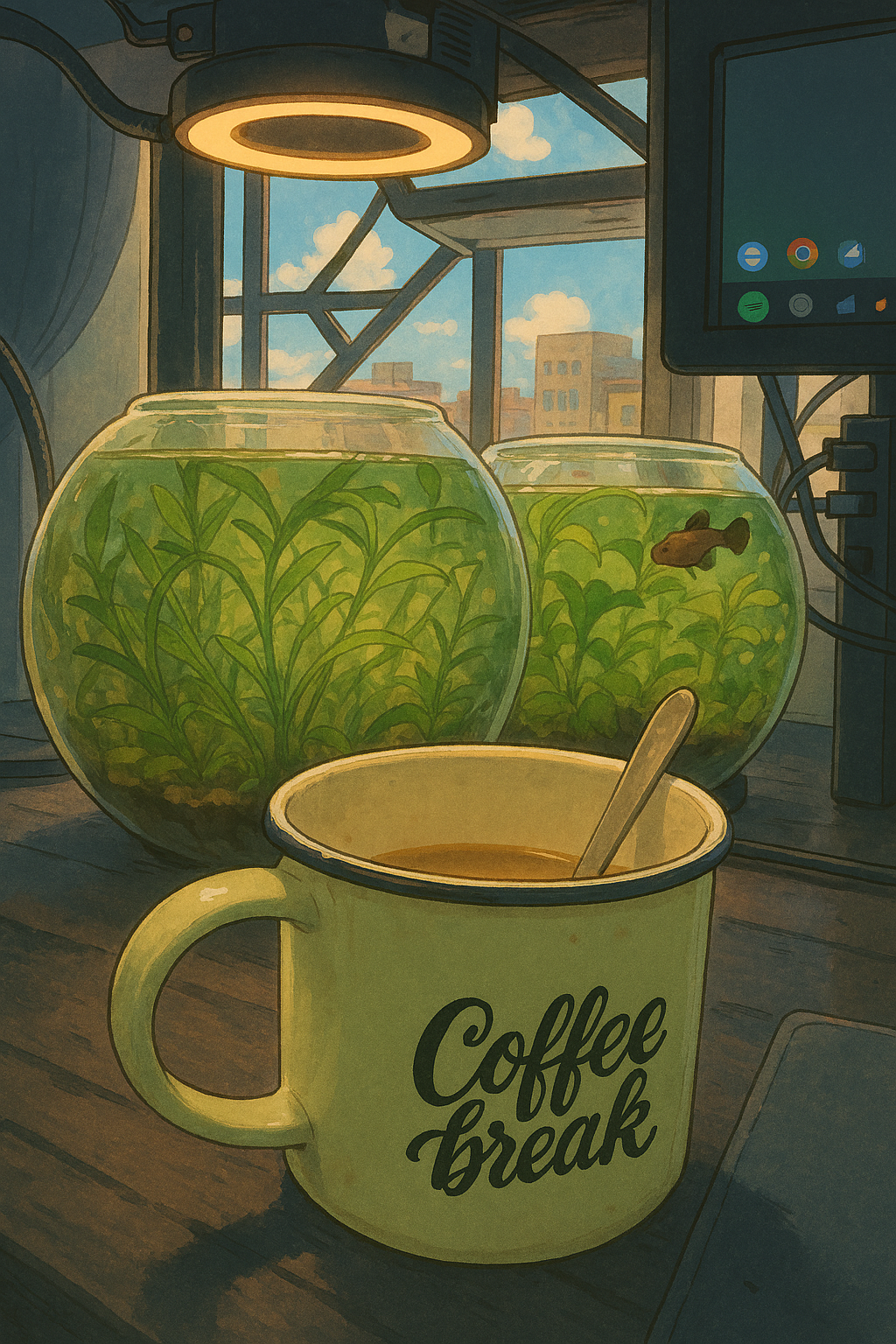
Contrary to popular belief, you don’t need a LOT of space to have an aquarium,
The Moment Belief Cracks
Reading that book exposed the belief-based architecture of the entire aquarium hobby. I started noticing it everywhere. People online were parroting advice without understanding why it worked (or didn’t). Hobbyists on YouTube were recommending expensive gadgets with zero explanation of the biology behind them. The focus wasn’t on creating ecosystems—it was on selling aesthetics, products, and illusions of expertise.
I even tried forming an online aquarium hobby club. But I quickly realized: people weren’t ready. Most didn’t even want to read an article, let alone a book. Everyone just wanted shortcuts, plug-and-play solutions, and validation for what they already believed.
The deeper I went, the clearer it became—aquarium fishkeeping, like most modern systems, is driven by belief more than fact
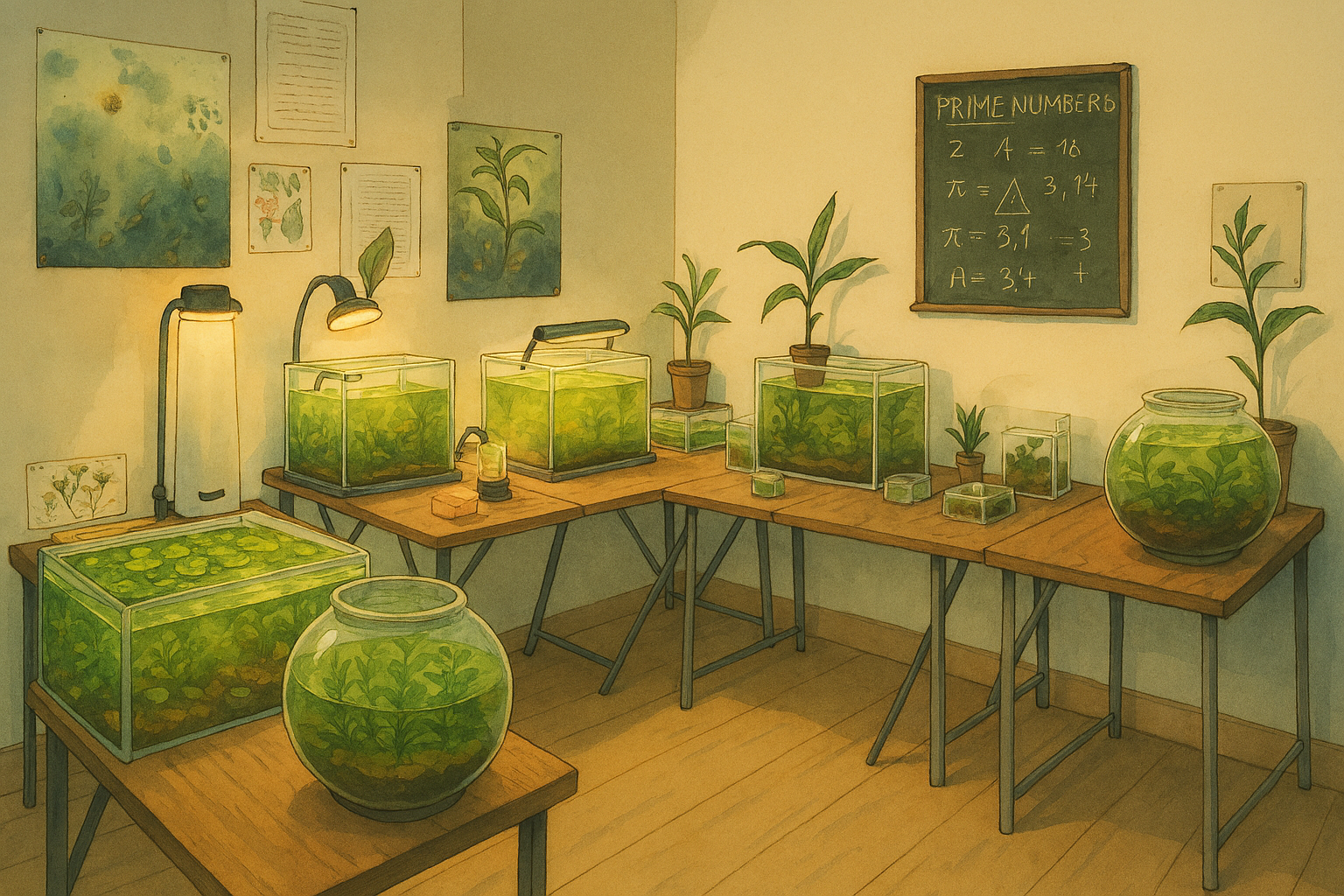
My fish room is a 1 BHK with a terrace attached.
The System Beneath the Surface
Let’s take a closer look.
Many aquarists talk about the nitrogen cycle, but few truly understand what a “cycled” tank means in biological terms. People throw in sponge filters, power filters, and bubblers without realizing they’re stripping CO₂ out of the water—only to then reintroduce CO₂ via external cylinders.
It’s a bizarre, circular dance of belief: do X because everyone says so, then do Y to cancel out X.
Most hobbyists design their hardscapes for visual appeal, not functionality. They follow trending layouts and buy equipment promoted by influencers who make aquarium keeping seem like high-tech rocket science. The result? A beautiful but fragile system—one that needs constant maintenance, frequent interventions, and endless purchases.
And all of it is based on belief: “This is the way to do it because everyone else is doing it.”
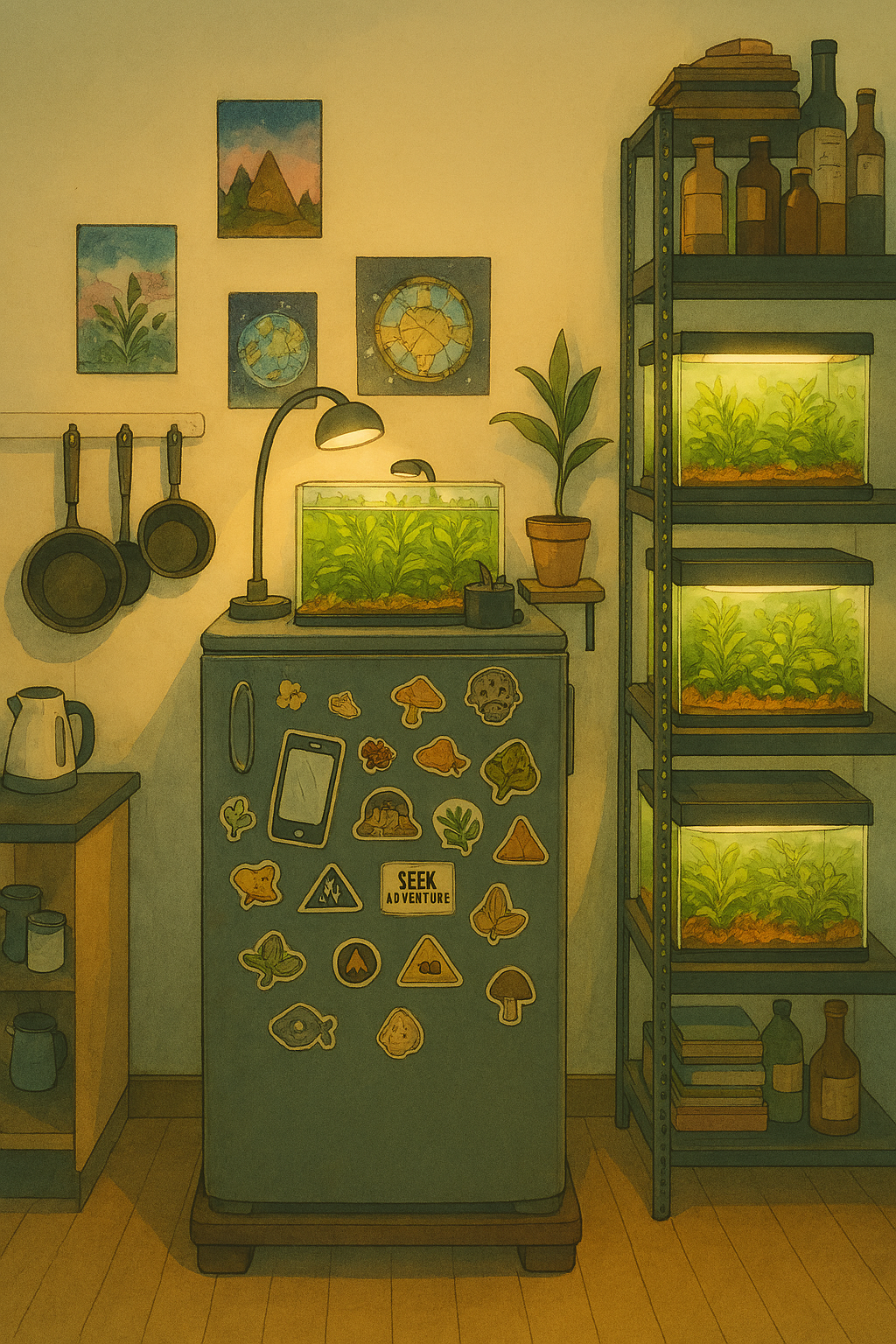
A fish tank on the refrigerator.
YouTube, Products, and the Gospel of Complexity
Today, the aquarium world is overrun with slick content creators who’ve turned the hobby into a performance. They’ve monetized belief. They complicate the process so you feel you need their guidance, tools, or products to succeed.
I’m not against people earning from their passions. But if someone makes this their profession, shouldn’t they have a deeper understanding of what actually works—and why?
Unfortunately, most don’t. Because most aren’t scientists or naturalists—they’re content creators, locked in the algorithmic race for views, likes, and product partnerships.
Meanwhile, truly natural systems—like Walstad-style or anoxic tanks—are dismissed as fringe. Despite the fact that these setups require less intervention, less money, and more understanding.
I’ve kept large bettas in Walstad tanks with zero issues. I’m now working toward a similar setup for angelfish. And in the process, I’m learning more than any influencer has ever taught me.
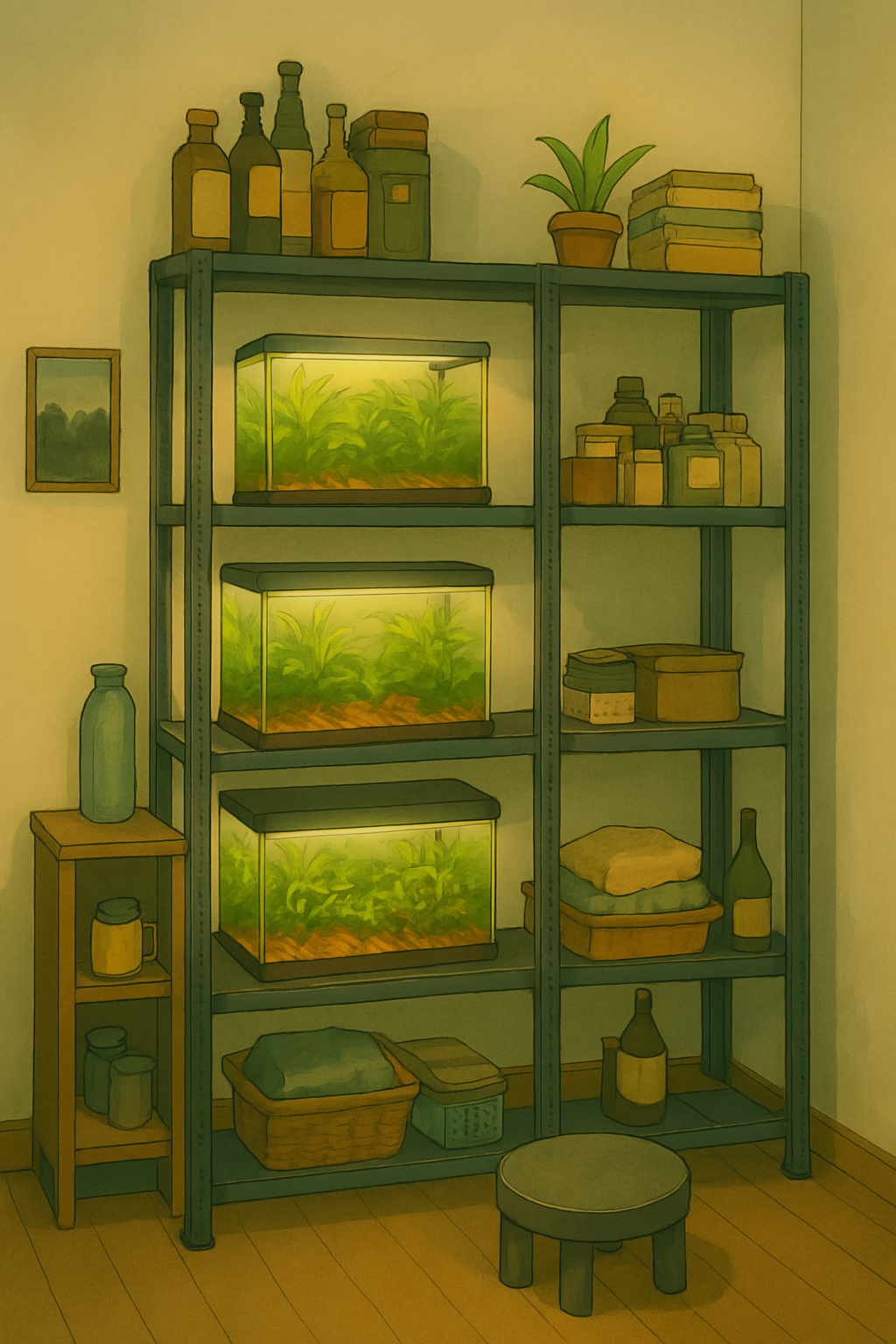
The Aquarium as a Mirror of Mass Consciousness
Fishkeeping has become a microcosm of how we interact with the world. Like education, medicine, or government—it’s a system. And that system survives by making people believe they need it. It teaches obedience, not observation. It sells complexity, not clarity.
Most hobbyists don’t know how bacteria actually work. They don’t understand biodiversity. They can’t explain why their floating plants die when they crank up their canister filters. But they’ll defend these systems fiercely because belief has become identity.
And once belief is identity, truth becomes threatening.
Try suggesting that sponge filters are often useless, and you’ll be mobbed. Point out that most aquarium setups are CO₂-negative, and people will get defensive. Ask someone why they follow a method that keeps failing, and they’ll double down.
Why? Because once you build your sense of expertise or success on a belief, you’re stuck defending it.
Natural Law Doesn’t Care What You Believe
Here’s the hard truth: nature doesn’t care what the majority believes.
Belief doesn’t override natural law. And reality doesn’t bend to popular opinion. If your system fails, it fails—no matter how many people use it. The sooner we understand that, the sooner we can build resilient ecosystems in glass boxes—and in our lives.
Everything I’ve learned from this hobby has echoed a larger theme I’ve seen across domains: the world is built on unexamined belief. Most people don’t know the rules that govern their own environments. They trust routines, not reasons. They follow culture, not cause.
But truth doesn’t belong to the loudest voice. It belongs to the one who observes.
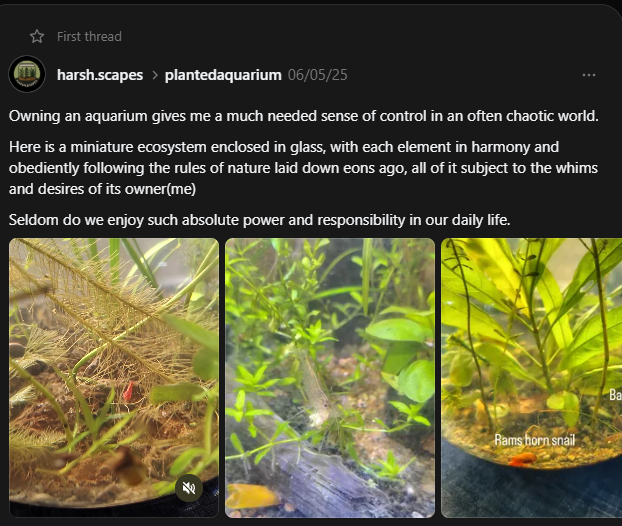
Why I Keep Doing This
Despite all the dysfunction, I’ll keep this hobby going. Because it gives me purpose. Because it teaches me. Because it shows me that the smallest ecosystems still run on the same universal principles as the cosmos: balance, reciprocity, observation, and adaptation.
And because it reminds me of this: once you start replacing belief with understanding, everything changes.
So yes, this hobby runs on belief. But I’m here to challenge that—not with arrogance, but with curiosity and care. And for that, I’m grateful.
Originally published on Substack — view source