February 11, 2025
Debunking 'rabies is a fortune cookie'. Pt 1
Analyzing James True's article on the rabies 'virus' I
A few days ago a popular streamer and I locked horns over an issue that I’ve been writing and researching a lot about — rabies.
I have shared my view on his false dichotomy of pro-vaccine and anti-vaccine(and virus) in his YouTube comment section:
Thanks for reading Harsh’s Substack! Subscribe for free to receive new posts and support my work.
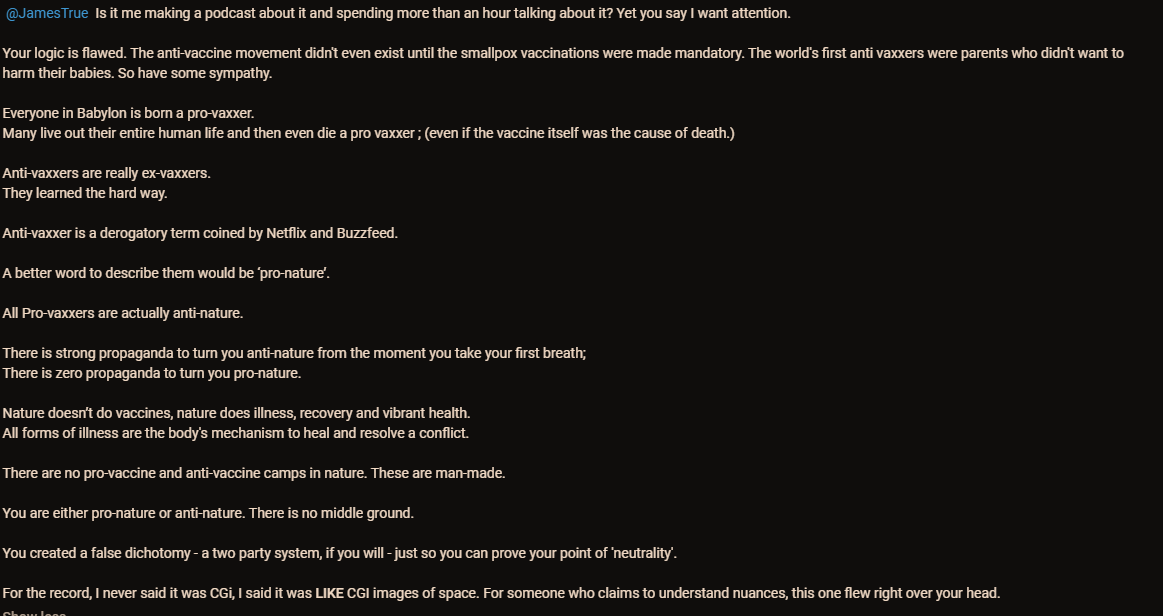
The author has published content criticizing people who question the existence, and isolation of a fictitious particle called a ‘virus’ on his YouTube channel, including two lengthy streams (“Between Two Cults, A Tale of Two Cults”) and an article (“The Clergy of Placebo”). Seemingly, everything is potential content.
Below are six critical issues I identified in the article ‘Virus is a Fortune Cookie’:
1. Unscientific Approach to Science Writing: Despite not being a professional science writer, I recognize that science writing demands clarity, especially regarding visual representations. Reputable science writers follow key guidelines:
- Provide clear, comprehensive image captions
- Include image source information
- Specify microscopy method and magnification
- Ensure contextual accuracy
The fundamental duty of a science writer is to eliminate ambiguity. In scientific communication, precision is paramount. As an example, consider the image of the alleged “rabies virus” in James’ article. The caption creates significant confusion, and notably, the red image does not actually depict a rabies virus (a point I will elaborate on subsequently).
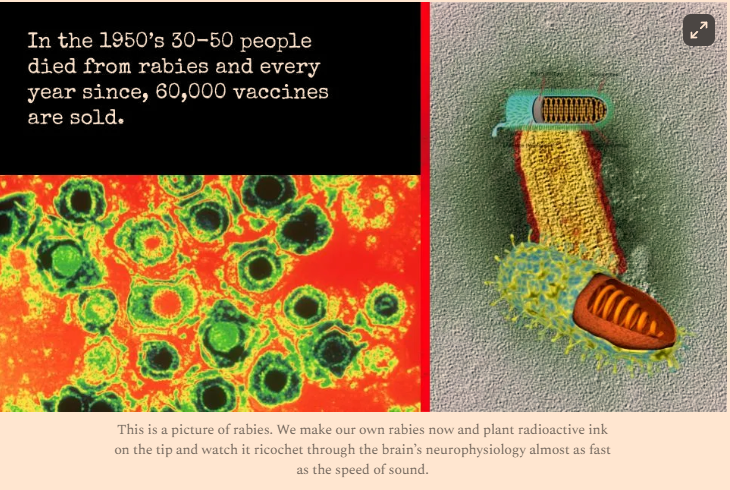
IMAGE 1
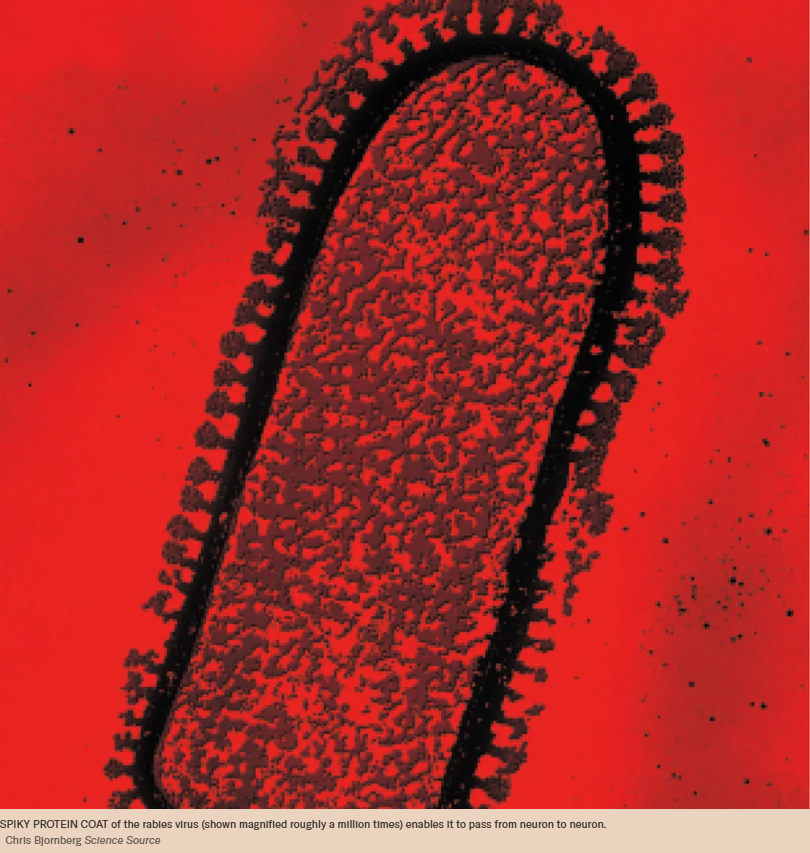
Picture of a ‘virus’ from a science article.
In the above photo from a science article, a photo of the alleged rabies ‘virus’ is presented. Notably present are critical details such as:
- Magnification scale
- Contextual information
- Scientific publication name where the photo was originally published
To trace the image’s origin, I used Tineye to locate the source of the photo from the image collage (Image 1).
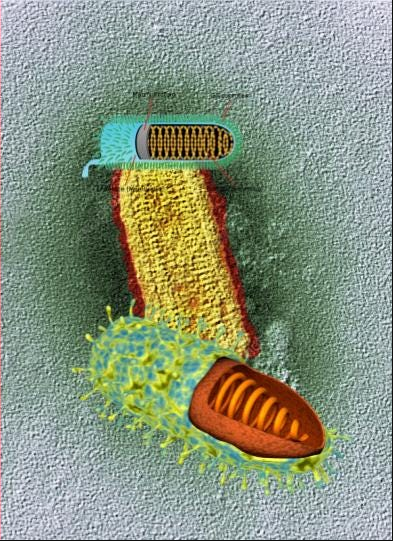
Tineye was unable to locate the exact image elsewhere on the internet.
This reveals a critical issue: the image presented as a rabies ‘virus’ in the article is not authentic or from the Allen Institute study.
Key observations:
-
Note 1: The original image does not contain bullet-shaped artifacts.
-
Note 2: These images have absolutely no connection to the rabies virus, Allen Institute, or the neural mapping discussed in the article’s context.
An original image is referenced below.
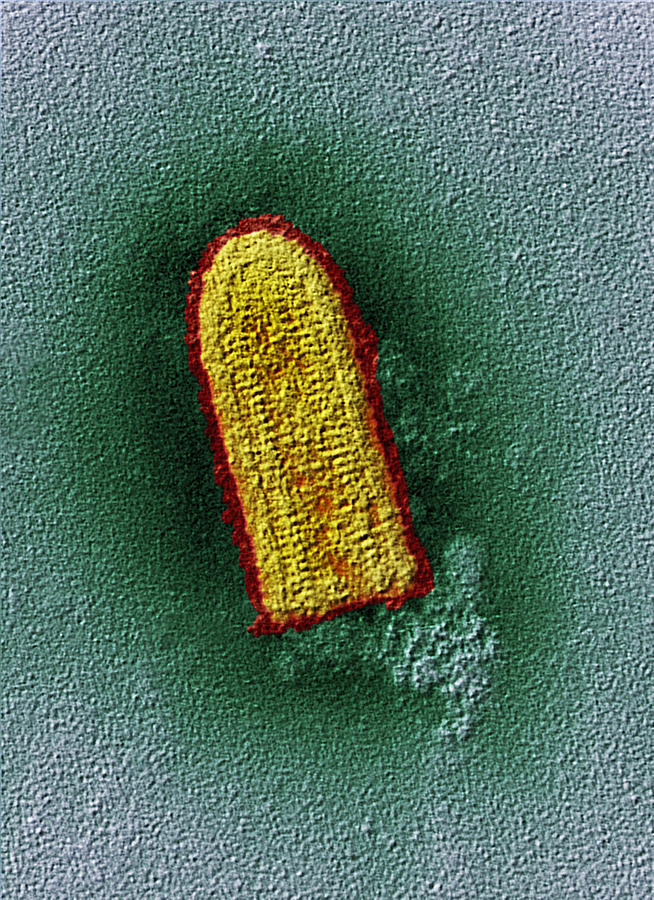
Based on the context, it appears the Wikipedia photo of the rabies ‘virus’ may have been digitally manipulated or photoshopped into the original photo collage (Image 1).
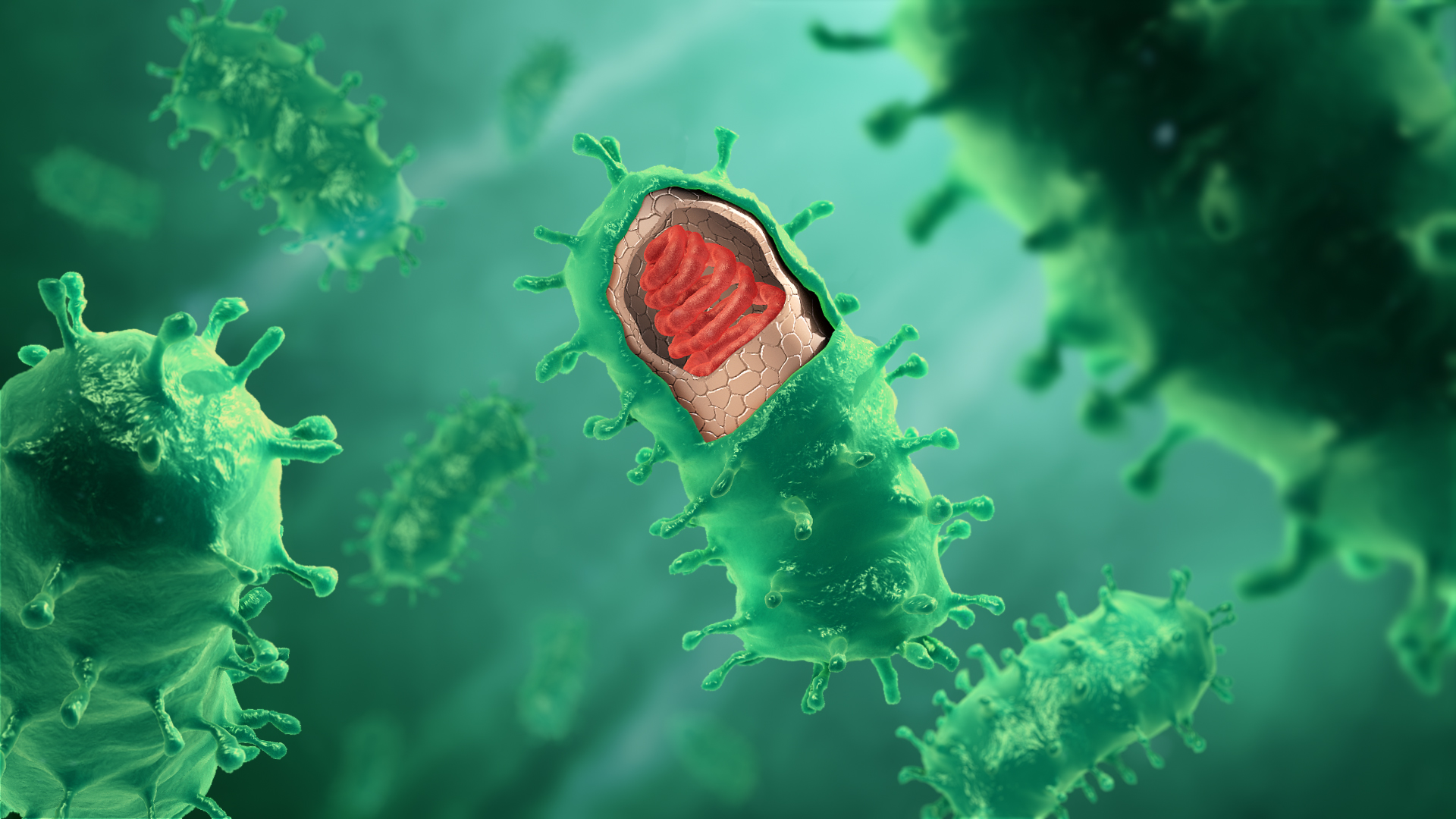
CGI image of a rabies virus on wiki
The second image on the left side of the photo-collage (Image 1) is not a rabies ‘virus’ at all. A reverse image search revealed that the picture originates from an article about Herpes!
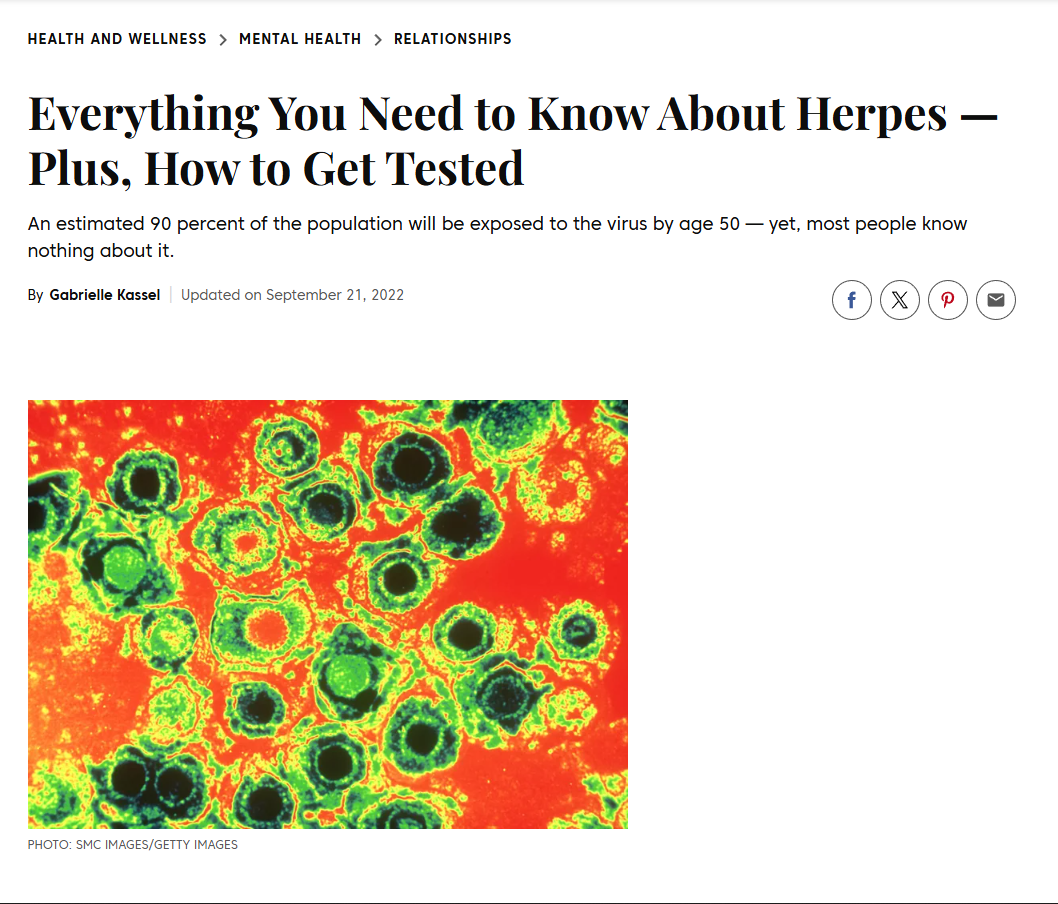
The red photo in the photo-collage is actually sourced from a stock photo site, specifically Getty Images.
Now, let’s examine the third and final photo shared in James’ article.
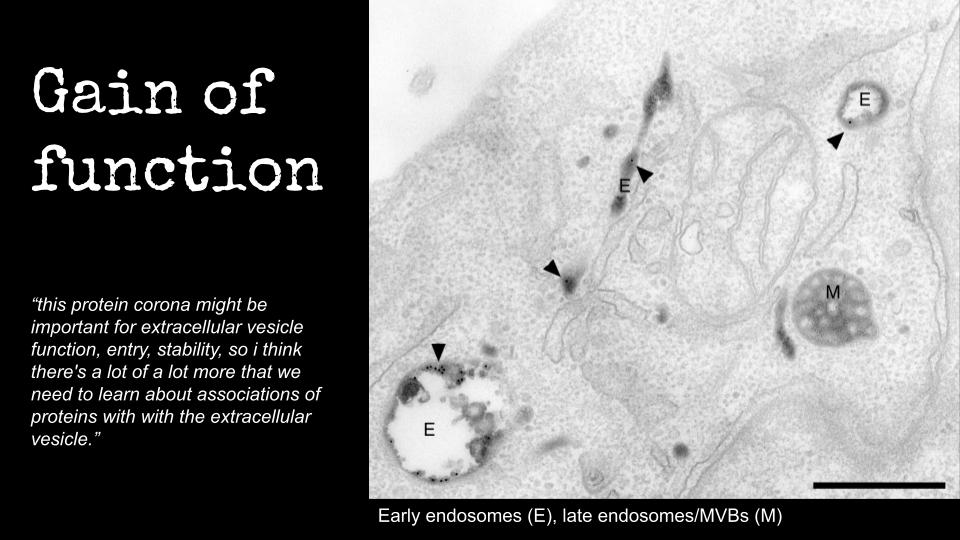
The third image is not a representation of the rabies ‘virus’ or ‘gain of function’ research. Instead, it originates from a Wikipedia article about endosomes.
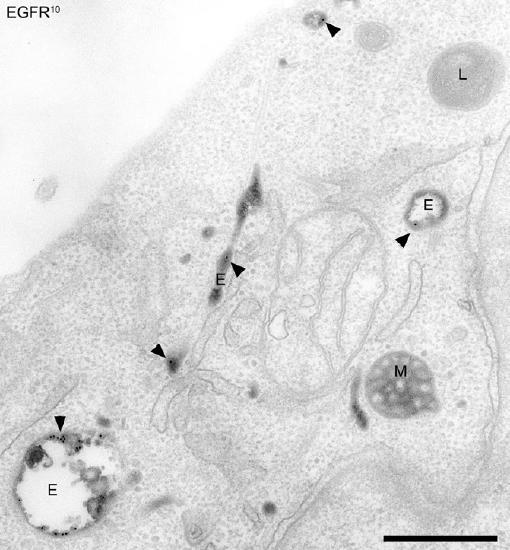
Here’s another article about endosomes linked to this picture.
I asked Co-Pilot AI about the Allen Institute Brain Atlas Project, how it was done and if it used rabies ‘virus’ for mapping. Here’s the response:
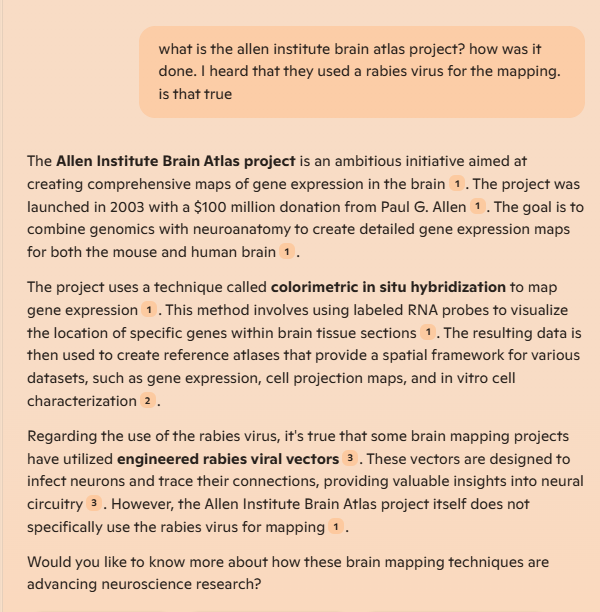
Parts 2, 3, 4 coming up!
Read the full post here
Thanks for reading Harsh’s Substack! Subscribe for free to receive new posts and support my work.
Originally published on Substack — view source