June 25, 2026
From enslaved to Unslaved
The word “slave” produces a visceral reaction in many. It should, because overt slavery was a part of our history.
The word “slavery” is so taboo that I can’t even use it in prompts for generative AI. But slavery doesn’t always mean a gun to the head, chains around the legs, a handcuff around the wrist. That is merely physical slavery. The more insidious form is voluntary slavery — the kind where individuals psychologically conform themselves to the control systems around them. It is not obvious at first glance, and that is precisely what makes it so dangerous.
This version of slavery aligns far more with Aldous Huxley’s vision of soft tyranny and Edward Bernays’ model of consent-manufacturing than with George Orwell’s overt authoritarianism. At its heart lies a deeply uncomfortable truth: we are often complicit in our own enslavement.
Methods of Control
Throughout history, there have been two methods used to control and enslave humanity.
The first is the classic Orwellian method — overt, blunt, and unmistakable. A gun to the head. Draconian order imposed from birth, indoctrination through youth, and compulsion all the way until death.
The second is the far subtler method of Huxley and Bernays — where the controllers get the controlled complicit in their own control. The slave meets the master halfway. Today’s slavery is no longer external and overt; it is internal and covert. It operates not through chains, but by ensnaring the mind through institutional systems and dogma. To understand this architecture — and to escape it — we must first understand why the slave consents to being a slave in the first place.
The Problem with “They”
We conspiracy theorists love to talk about “they.” Who is “they”? What are “they”?
The moment we say they are doing this to us, we automatically cast ourselves as slaves in a master-slave dynamic — victims of forces beyond our control. It is easy to paint the master as the cruel tyrant and the slave as the hapless victim. But this framing is incomplete, and ultimately, it is disempowering.
We are not looking at what the slave is doing to enslave himself. We are not asking what we are doing to tighten our own shackles.
What is the slave’s point of view? What psychological complexes and syndromes make him want to be controlled? What needs, traumas, or unexamined wounds drive this submission?
Enough films and cultural narratives have been produced about overt, historical slavery — but almost none examine the subtler, universal slavery of the mind that cuts across race, class, and nation. Black Lives Matter became a cultural and financial juggernaut partly because we have been conditioned to think slavery is purely a colonial, third-world, or racial problem. It is not. The West has been taught to hate itself — white men are expected to apologize for what their ancestors did — while the deeper, more universal enslavement of all people goes unexamined and unnamed.
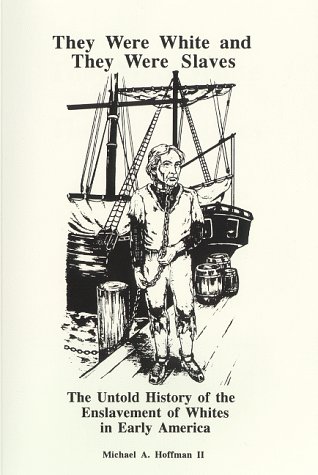
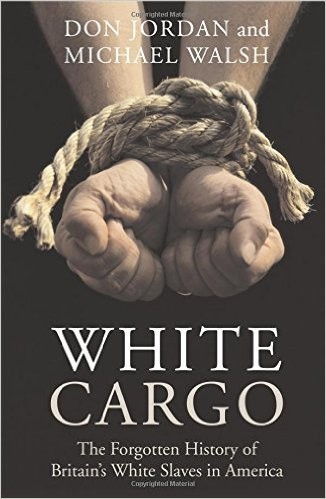
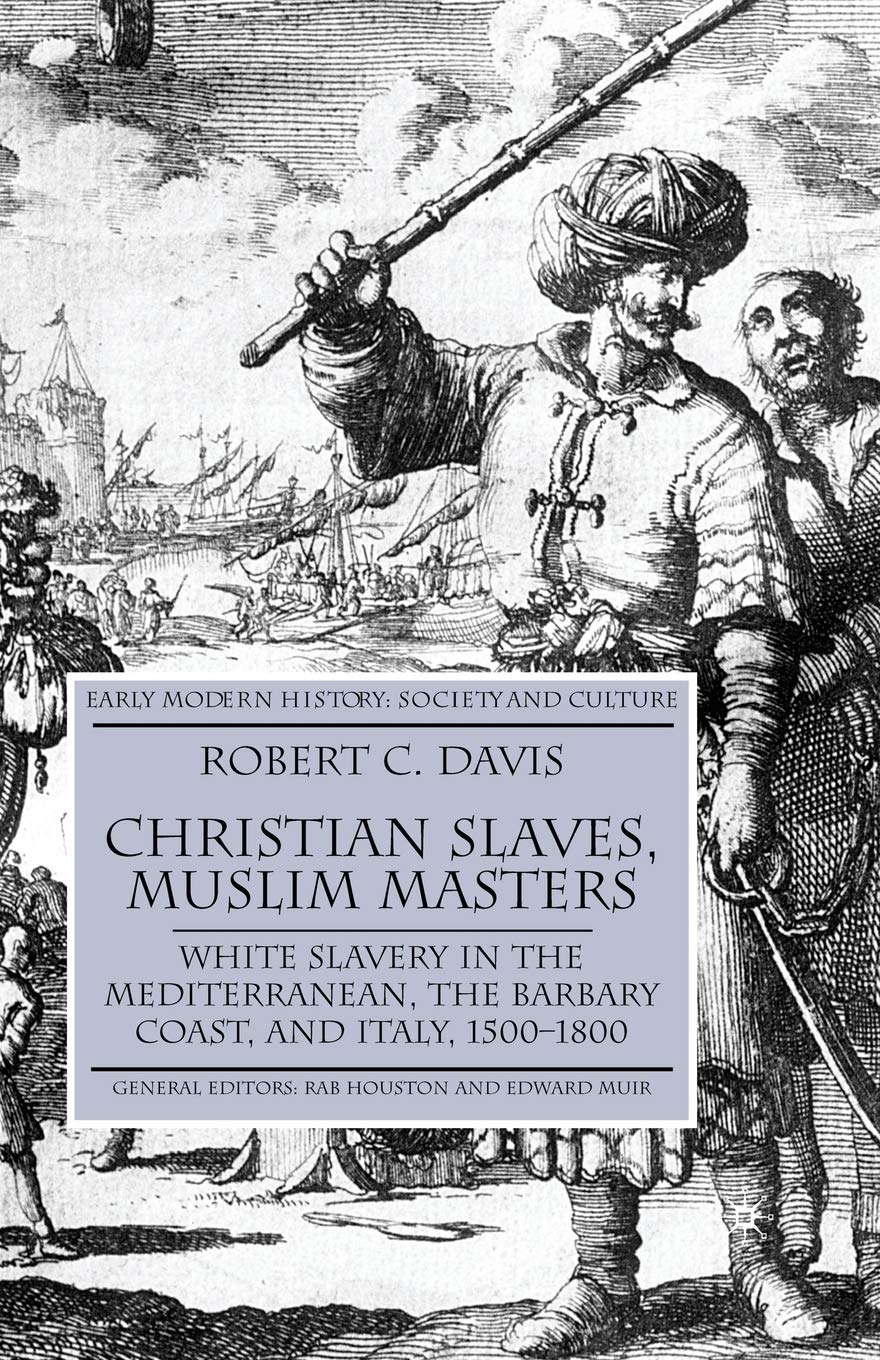
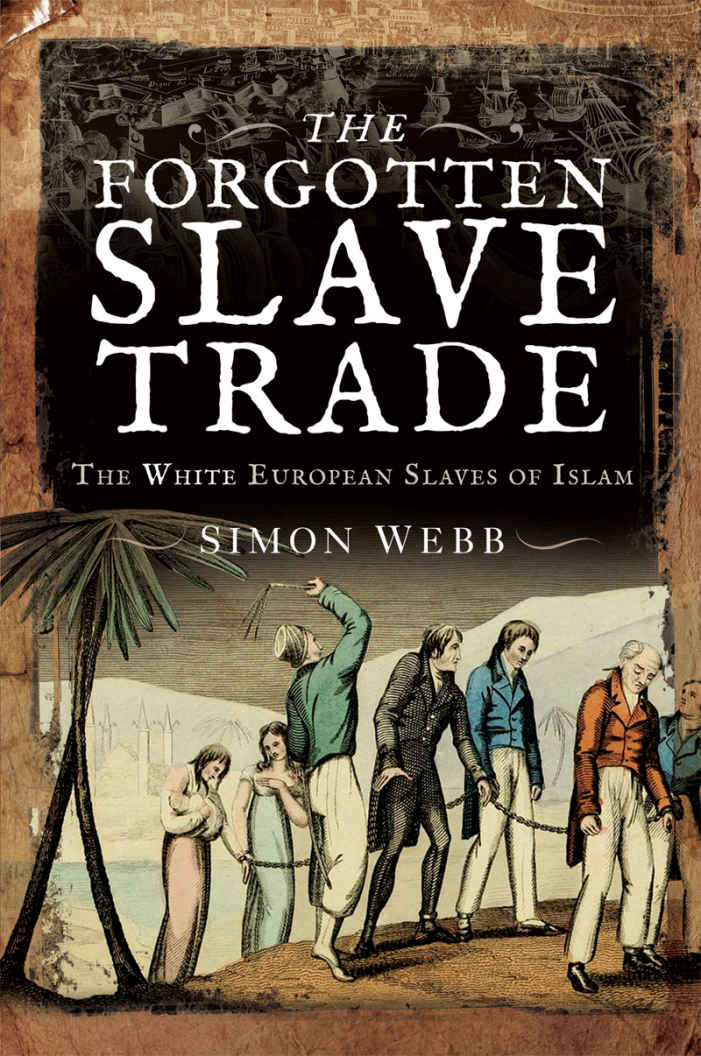
White slaves? And we are taught that only blacks and coloured people were slaves and the White Man was always the master.
The greatest conspiracy of all is the one an individual commits against himself.
The Tyrant Within
Yes — there are criminal organizations. There are crimes against humanity. There are psychopathic and sociopathic personalities that seize the reins of power and abuse them. This is real, and it must be named.
But if we do not examine what is happening within our own minds, we too risk walking the road of the tyrant. As William Blake warned:
“The fist that crushes the tyrant’s head becomes a tyrant in its stead.”
What happens when the slave overthrows the master? Will he simply become the next tyrant?
Nietzsche saw this clearly:
“He who fights with monsters should look to it that he himself does not become a monster — and if you gaze long into an abyss, the abyss also gazes into you.”
Conspiracy Work Is Spiritual Work
The knowledge required to understand these systems of control is sacred — and it must be approached with reverence. Without that reverence, one will never find solutions and will never free oneself. There are two ways of approaching this knowledge, and the distinction matters enormously.
The first is philosophia — the love of wisdom itself. Philos means love; sophia means wisdom. It is the sincere seeking of what is true and holy.
The second is the love of power, attention, and the intoxicating feeling of exaltation that this knowledge can bring — the thrill of rattling off sound bites on a public stage, accumulating a cult-like following, collecting likes and acknowledgment. The world has been filled for centuries with people who have pursued knowledge for precisely this reason. Knowledge is power, and for certain personalities, it functions almost like an aphrodisiac.
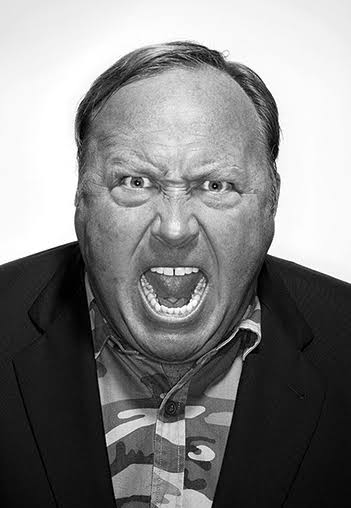
This is arcane, sacred knowledge. It is not to be used for audience-building or ego-gratification. Some who have gone down that path have lost their minds entirely.
The critical question remains: what is it in the slave’s psyche that needs the authority figure? This takes us into the realm of deep psychology and philosophy — and it is where the real work begins.
The Road to Being Unslaved
The ultimate realization — the turning point — comes when the conspiracy theorist understands that the boot on the face of humanity is, in part, about me. That is the moment the journey becomes truly spiritual. There will be a different kind of perspiration on the brow. A different quality of homework. A different intensity in the process of Unslavement.
True unslavement is not simply being handed a dossier of facts — knowing that tyranny exists, that certain families have held power since the time of Egypt, that shadowy structures operate behind the scenes. All of that is important. The what and why of who controls the world are vital things to understand. But the root of this tree, the foundation of this building, goes much deeper — into the psyche itself. Into psychic sovereignty. Into psychic immunity. Into understanding precisely how the master manipulates your own psychological weaknesses.
The moment someone truly grasps that — not intellectually, but in their bones — they are on the road to being completely unslaved. But it will not be a journey that everyone around them will want to take.
This work draws upon a long lineage of thinkers: newspapermen and journalists, folk wisdom and high philosophy, psychologists and sages from every walk of life. The architecture of control has been mapped, again and again, by those willing to look.
The Solution Is the Individual
The solution to societal dysfunction is not more society.
Many people direct all their energy toward fixing external problems — government corruption, environmental collapse, political tyranny — without ever confronting the internal roots of those very problems. But solutions must be individual, grassroots, and psycho-spiritual. This is a call to arms for the individual.
True transformation does not come from top-down reform. It comes from individuals who choose to liberate themselves — mentally, emotionally, and spiritually. Each person must ask:
-
What false beliefs do I hold?
-
What authorities do I obey without question?
-
What patterns have I internalized that keep me bound?
This inquiry demands a turn inward — toward the unconscious, toward the psychological underworld where self-sabotage and dependency take root. The observation of how we have each enslaved ourselves is not a comfortable undertaking. But it is the only one that matters.
The greatest act of rebellion is not to storm a palace. It is to free your own mind.
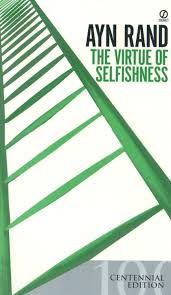
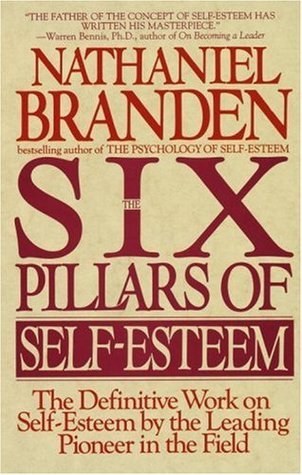
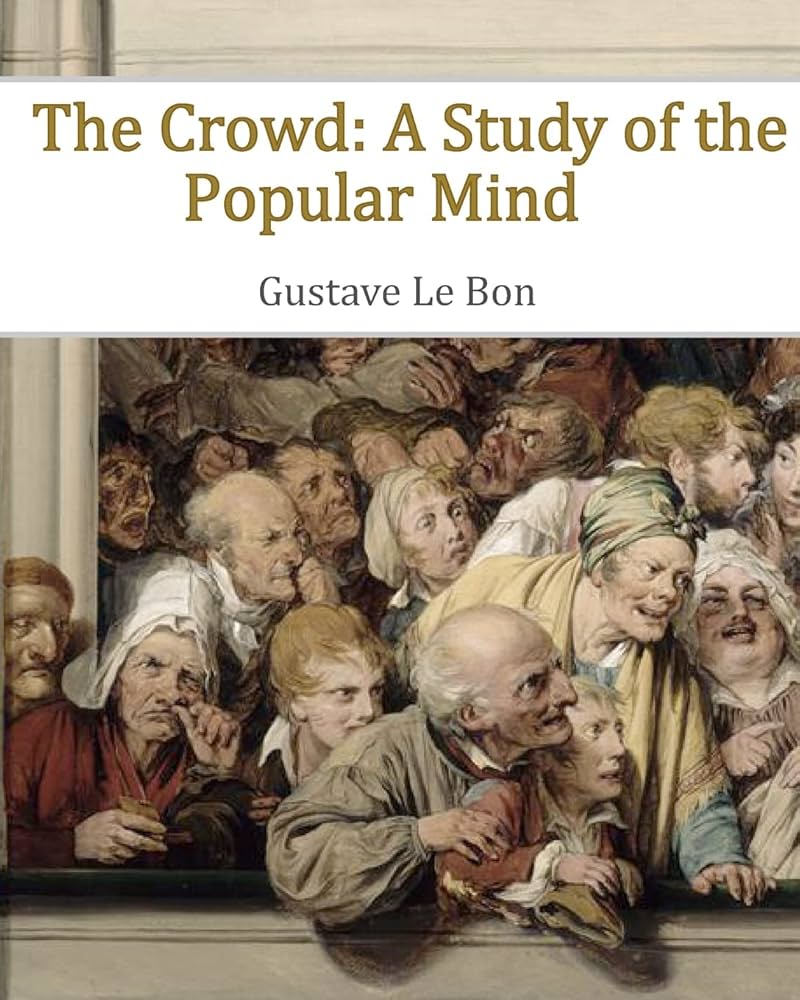
Here’s a reading list you need to get started :
Ayn Rand
Nathaniel Branden
Gustave Le Bon
Originally published on Substack — view source