October 17, 2024
Got Raw Milk?
The question isn't whether milk is good or bad for you, but rather: What kind of milk should you drink?
Understanding the true impact of milk on our health is crucial. The health and prosperity of a nation are closely linked to its food production. Unfortunately, one of our greatest agricultural losses today is the degradation of fresh milk through pasteurization, ultra-pasteurization, and ultra-high temperature pasteurization. These processes transform a nutritious food into a “milk-flavored drink,” with little more nutritional value than milk of magnesia.
By recognizing the harmful effects of heat-treated milk and the remarkable benefits of raw milk, we could significantly reduce medical costs, improve public health, and enhance ours and the intelligence of our children. Smarter children will, in turn, contribute to our scientific and cultural wealth. Prioritizing the switch to unprocessed, unpasteurized milk is essential, but no enough care to learn more about it.
Thanks for reading Harsh’s Substack! Subscribe for free to receive new posts and support my work.
Dairy industry advertising suggests that milk is the perfect food, and not giving your children at least a quart of milk a day is akin to neglect. Conversely, many nutritionists, medical organizations, government agencies, and doctors caution against the fats and cholesterol in milk and its products. They warn that high dairy consumption could lead to health issues, including heart disease.
A small, vocal group of nutritionists argue that milk should only be consumed in infancy, while another faction asserts that the real issue lies with mass-produced pasteurized milk. According to this second faction, milk in its natural, raw state is beneficial, but pasteurization and homogenization transform it into a harmful product. They present evidence that processed milk contributes to diseases like tooth decay and arteriosclerosis, not because of its fat or cholesterol, but due to the alterations from these processes. They question whether milk, as processed today, is a perfect food or a significant health risk.
In the discussion about milks, alternative milk options, such as goat milk, camel milk, yak milk, mithan milk, skim milk, and soy milk, are also thrown around. Plant milks are a misnomer, and unless you are making it yourself, it’s just seed water with a lot of emulsifiers, preservatives and additives. Some milk experts recommend diluting pure unadultrated cream with water as the only safe way for adults to consume milk. (Most commericially available cream is also boiled the hell out of, and preservtives are added for shelf life. The only way to make pure cream, is to make it yourself with fresh, raw milk.)
Even if a well-intentioned Mother buys whole milk, thinking it is better for her growing child than that sickly stuff called skimmed, she can’t win, because most commercial milk is not just pasteurised but also homogenized. I’m convinced that homogenization is even more detrimental to the nutritional quality of milk than the heat processing called pasteurization. Meat and Milk a.k.a ‘liquid meat’ are in the doghouse and the animal rights movement has heated up to a point that we may all be forced to become vegans.
Milk is as omnipresent as Coca-Cola, with at least half the population drinking it, and most others consuming it in various forms like butter, cheese, and cooked goods. However, the critical issue is whether processed milk is a nutritious staple or just another form of junk food. This article aims to highlight the dangers of pasteurized milk and advocate for the extraordinary health benefits of fresh, untreated, raw milk. I will argue that raw certified milk can prevent disease, enhance your life, boost your energy and stamina, and extend your lifespan. That’s a bold claim, but read on—this article could change your life.
**Propoganda disguised as advertising
**Who can forget the iconic Amul Doodh jingle? Many of us grew up with advertisements praising the virtues of milk, including the famous “Got Milk?” ads featuring celebrities with milk mustaches. Sadly, these ads don’t promote raw milk, which has vastly different properties and benefits than pasteurized milk sold in stores today. In fact, consuming pasteurized milk in excess can even be harmful!

Amul’s Doodh Ad campaign is one of the most successful ad campaigns in Indian advertising history

Whoopi Goldberg in the Got Milk? ad campaign
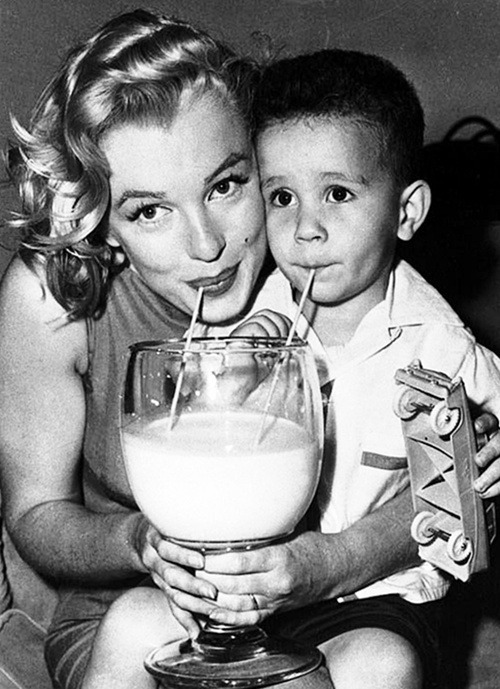
Marilyn Monroe was a poster child for the Pasteurised Milk Lobby
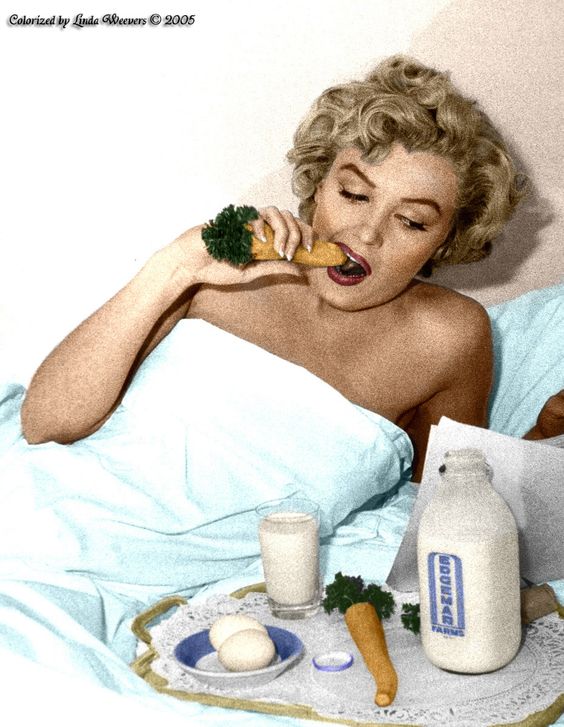
Marilyn Monroe’s private breakfast photoshoot. Is that Raw milk on her bedside?
In fact, the harm of pasteurised milk is well known. It’s even casually mentioned in the popular comedy show Parks and Recreation:
Leslie Knope : I will now drink 8 glasses of milk in 3 minutes.
Ann Perkins : [runs onstage] Nope! No you won’t, no you won’t because if you do that, you will die.
Leslie Knope : Oh.
In another episode, the libertarian, steak-loving, gun-owning boss of Leslie Knope Ron Swanson says that there is only thing he hates more than lying…
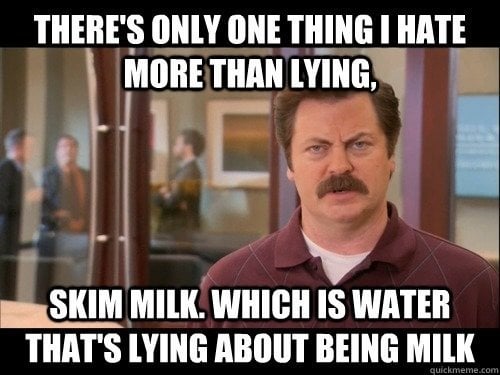
From Season 5, Episode 17 “Partridge”
That raw milk is harmful is regularly reinforced in pop culture and the internet. However, not all raw milk is created equal. Many factors influence milk quality before it reaches our doorsteps in bottles or packets. These include the type of cows(A1/A2), whether the cows are grass-fed or grain-fed, their level of physical activity, whether they are kept indoors or outdoors, and whether the farming practices are conventional or regenerative. Each of these factors is a complex topic on its own. Today, however, let’s focus on what affects the nutritional quality of milk after it is produced: Raw vs. Pasteurized.
It’s estimated that only about 3% of milk drinkers consume raw milk. This could be due to legal restrictions, advertising, medical advice, or the negative perception of raw milk. The truth about milk may surprise you, as the information we receive about this essential food is not always accurate. Ultimately, the choice is yours. You should decide what foods are best for your body, but it’s important to make an informed decision. So, let’s dive in…
**The majority of milk consumed today is pasteurized.
**Pasteurization involves heating milk (or any food/liquid) to a specific temperature (161°F/72° C or higher) for a certain period (15-20 seconds or more) and then rapidly cooling it. The pasteurisation process destroys enzymes necessary for the body to assimilate the calcium in milk, and it also prevents the body from absorbing other essential nutrients. Additionally, pasteurization alters the structure of amino acids (proteins) in milk, making them unabsorbable.
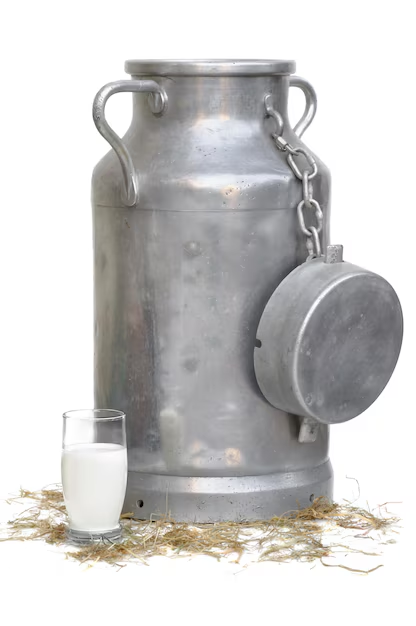
Remember the good old stainless steel milk jugs with milk which smelled like grass?
Is pasteurized milk better than raw milk?
Pasteurization is promoted as a method of protecting us from infection. However, not a single person has died from drinking raw milk in over a decade. In 2006 alone, at least 1,300 people got sick from pasteurized milk in California. The nation’s largest recorded outbreak of Salmonella, caused by pasteurized milk contaminated with antibiotic-resistant Salmonella typhimurium, occurred between June 1984 and April 1985, resulting in over 200,000 illnesses and 18 deaths.
So, here’s one myth busted: Milk in its raw state has more nutritional value compared to pasteurized milk. Being a complete protein, milk is subject to denaturing whenever any form of heat is applied, whether through pasteurization or spray drying. Nature has designed raw milk so that it is best assimilated in its natural whole form without being altered by any processes that change it chemically and biologically.
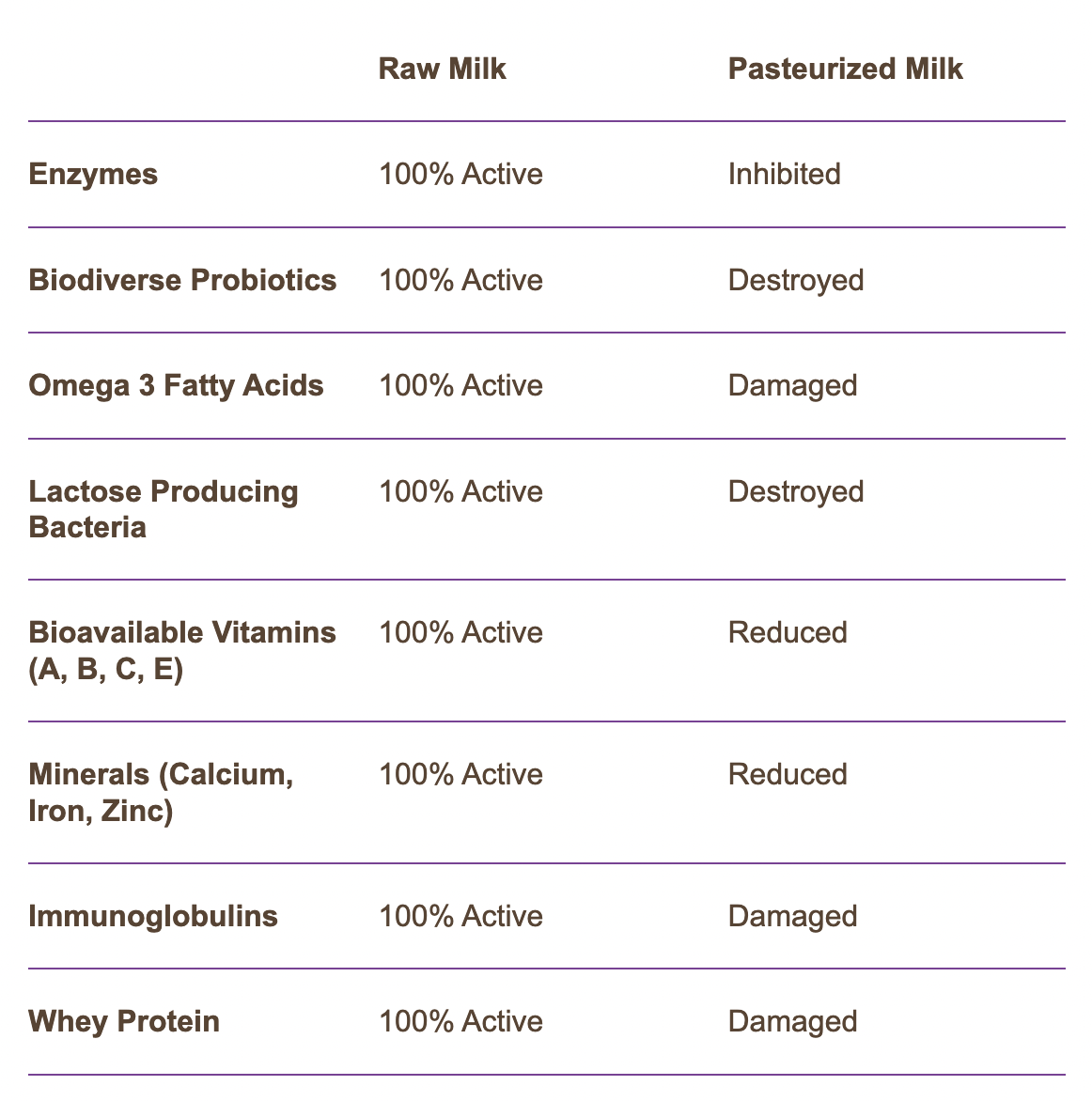
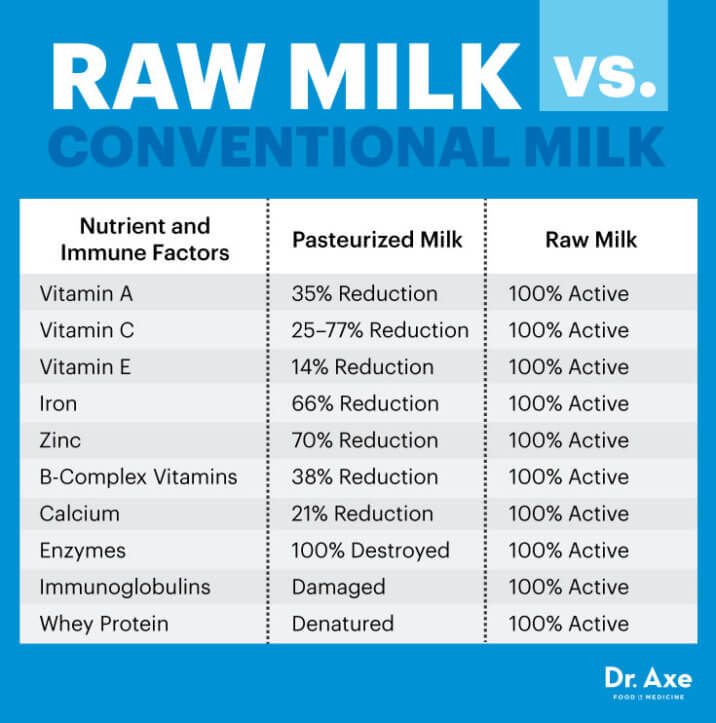
The extent of damage to milk is directly related to the level of processing it undergoes. Higher pasteurization temperatures and longer durations cause greater damage to the milk’s naturally healthy components. Homogenization further complicates this by breaking down nutrients and fats into unnatural sizes, making them more difficult to digest.
**Factors Influencing Milk Quality - Commercial Dairy Practices in India:
**Most commercial and cooperative dairies in India use A1 cows, such as Holstein Friesian (HF) and Jersey breeds, which never graze on fresh grass. These hybrid cows, like the well-known Nandini Black and White HF cow, produce about three times as much milk per day when compared to traditional native cows. This increased production is due to the growth hormones and high-grain diets they are fed. In contrast, most A2 cows are allowed to graze on fresh grass and herbs.
Interestingly, modern Holstein cows have high levels of naturally occurring growth hormone from the pituitary gland, even without the administration of bovine growth hormone. This is a result of selective breeding to encourage larger, stronger cows. However, this rapid growth can have adverse effects, raising concerns about what is unnaturally forcing them to increase in size. The farmer wants pituitary-giant freaks that produce their body weight in milk every ten days. But the milk from these milk-producing superstars may contain excessive amounts of pituitary hormones. The pituitary excretion affecting growth is called the “growth hormone.” This hormone may account for the fact that each succeeding generation for the past fifty years has been taller than their parents. This excess height, although associated with handsomeness and health in our culture, may actually be a sign of abnormal pituitary function due to excess pituitary growth hormone from milk. Bigger is not necessarily healthier.
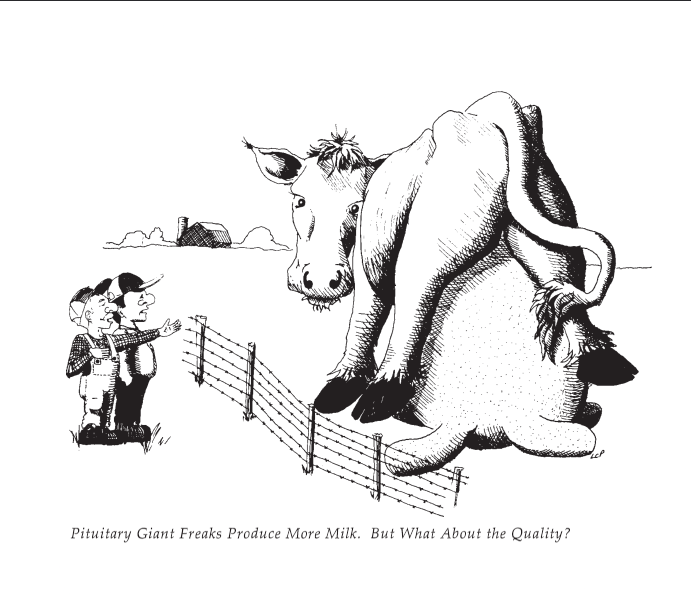
The independent dairy farmer producing raw, certified milk is interested in quality as well as quantity. He knows that these abnormal milk producers are prone to be unhealthy and subject to infection requiring the frequent use of antibiotics and other medical interventions. As he doesn’t cover mistakes and unsanitary production methods by heat-treating the milk, he is more likely to own A2 healthy cows producing less milk but without excess pituitary and other hormones.
The pituitary also stimulates the production of sex hormones. Could this be contributing to the vast array of sexual problems we see today? Sexual dysfunction has become so common that the medical profession now has a separate journal to deal with it. There is some connection, not yet entirely understood, between certain cancers and hormones. Pasteurized milk is apparently adding to the problem as there is a relationship between certain types of cancer and the consumption of pasteurized milk. This is why the first step of most cancer treatments protocols ditch dairy products first because they are known to acidify the blood. Raw A2 Milk is alkaline.
The pituitary hormone, TSH, stimulates the thyroid gland. If minute amounts of this pituitary hormone were to be absorbed daily from unbalanced pasteurized milk, depression of the thyroid gland could eventually result. Low thyroid function has become extremely common. Some experts estimate that fifty percent of the people over fifty years of age have some degree of low-functioning thyroid. Could A1 pasteurized milk from pituitary-giant cows be contributing to the problem?
Another hormone, from the pituitary, ADH, causes water retention. Two other hormones work directly on the ovaries and the testicles and may also contribute to several dysfunctions. ACTH, a powerful adrenal stimulator, can cause everything from diabetes and hypertension to Addison’s Disease (adrenal exhaustion), and acne.
**What makes good, Raw milk:
**The most nutrient-dense milk comes from cows that feed on green grass, particularly the fast-growing grasses of spring and fall. Milk from cows eating green grass, hay, root vegetables, plant foliage, and traditional foods is highest in vital nutrients such as vitamins A, D, and K2.
**The truth about Low-Fat and Skim Milk
**We’ve been misled to believe that low-fat and skim milk is good for us, possibly as a marketing ploy by the modern dairy industry to sell poor-quality milk from high-yield breeds. The drive for uniformity is shortchanging us nutritionally. It might have made a lot of sense to the pasteurized milk lobby to spend money convincing you that low-fat milk is great for you, while they can sell you the fat separately as processed butter or cream with preservatives.
**Raw Milk Benefits:
**Raw milk is the only truly ‘whole’ milk. Each ingredient in it is vital to optimally absorbing the other nutrients in it. Butterfat in raw milk contains vitamins A and D, which are essential for the assimilation of calcium and protein. It is also rich in fatty acids that protect against disease and stimulate the immune system. Additionally, raw whole milk contains conjugated linoleic acid(CLA), which has strong anti-cancer properties.
**If Raw milk is so good, why isn’t anyone selling it?
**Large-scale raw milk production requires a cold chain and stringent hygiene and quality control. Unlike dairies with unhygienic practices that rely on pasteurization to maintain low pathogen numbers, raw milk producers must adhere to higher standards. There are a few dairies in India selling raw milk — search ‘Raw milk (insert your city here)’ in Google. Vrindavan Farms in Bangalore sells Raw Milk in certain areas of Bangalore( Sarjapur, HSR etc). Check their app and website for more info and FAQ’s.
Lactose Intolerance: Pasteurization may cause lactose intolerance. In a Michigan study, 80% of participants who considered themselves lactose intolerant were able to consume raw milk without issues.
Antibacterial Properties: Raw milk naturally contains lactic-acid-producing bacteria(LAB) that protect it from more virulent pathogens. See Sandor Katz’ ‘Wild Fermentation’ to learn more about LABs and their benefits and use in food preservation.
Historical Use: Dr. J.R. Crewe of the Mayo Foundation detailed a regimen in 1929 involving 4-5 quarts of raw milk per day, which yielded positive results for various illnesses.
Calf Health: Calves fed pasteurized milk often do poorly, with many dying before maturity. This raises questions about its suitability for human consumption.
Legality in Europe: Raw milk is legal in most of Europe and can be found in vending machines in several countries.
**Milk is called ‘Liquid meat’:
**Raw milk is often referred to as ‘liquid meat’ and differs significantly from pasteurized milk. Its nutrient composition and bioavailability are vastly superior. Fresh raw milk tastes naturally sweet, with cream collecting on the top and sides of the container. While soured raw milk can be safely given to pet and farm animals as feed, spoiled pasteurized milk should not be.
Fermentation: Raw milk ferments rather than spoils. Just like good unprocessed cheese, which cannot ‘spoil’. When left at room temperature for 1-3 days, it separates into whey and clabbered milk. Whey is a nutrient powerhouse, rich in high-quality protein, vitamins, and minerals. Natural Whey has been used to preserve food without refrigeration in indigenous cultures.
Here are some interesting facts about natural whey (unlike the dehydrated, denatured versions often found in health food stores):
Protein:
- Whey is a high-quality protein, containing all nine essential amino acids.
Vitamins and Minerals:
- Liquid whey is rich in various vitamins and minerals. Each 1-cup serving contains vitamin C, B-vitamins, and vitamin E. It also provides essential minerals like calcium, iron, magnesium, phosphorus, potassium, zinc, copper, manganese, and selenium.
**Aging Raw Milk:
**A jar of raw milk, left for over a year, showed no bacterial growth and beautifully separated into soured cream, whey, and clabber, demonstrating its longevity and safety.
Raw certified milk could be kept 2 to 3 days under refrigeration without souring, and 15 days frozen with minimal nutrient damage because it is clean when milked. But it is usually delivered in less than twenty-four hours from milking to the consumer.
The experiment below highlights the significant differences between raw and pasteurized milk and the benefits of consuming milk in its natural state.
Raw Vs Pasteurised Milk Experiment
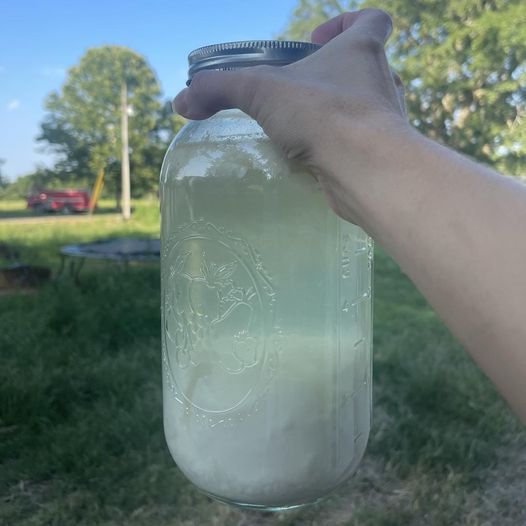
Guess how old this raw milk is?
The clear/light yellow liquid is whey, and the white substance at the bottom is clabbered milk. Whey, a by-product of dairy production like cheese and clabber, is a powerhouse of beneficial nutrients. Clabber is made by letting raw milk sit at room temperature for 1-3 days. It is great for making cream cheese, biscuits and can even serve as an egg substitute in recipes.
Now, regarding the age of this “milk”:
This jar shows zero bacterial growth. It has separated beautifully into soured cream on the top, whey in the middle, and clabber at the bottom.
It is 1 year and 2 months old!
**
The Bioavailability of Nutrients in Raw Milk
**Through the process of chromatography, it has been established that synthetic vitamins are not the same as natural ones. Milk pasteurizers often highlight the vitamin content of their heat-treated milk to argue that it has equivalent nutrient value to natural, raw, certified milk. However, the concentration of Vitamin C, for instance, is 33% higher in fresh raw milk than in heat-treated, pasteurized milk. Pasteurization proponents quickly argue that “both are inadequate in Vitamin C, and neither raw nor pasteurized milk should be relied upon as a Vitamin C source.”
If this is true, why do babies fed pasteurized milk develop a scurvy-like syndrome, while those fed raw milk do not? Pottenger demonstrated that there is an as-yet undiscovered deficiency disease, similar to Vitamin C deficiency (scurvy), that can be cured by an endocrine product containing no Vitamin C. Raw milk contains this unknown nutrient, while pasteurized milk does not. Stefansson, a famous Arctic explorer, showed that an adequate intake of Vitamin C in the form of tomato juice did not prevent scurvy in an Arctic sea captain, whereas just a few days on raw meat cured him completely. As Pottenger indicated, raw milk, if available, would have achieved the same result.
In 1942, it was noted that: “The cows of the country produce as much Vitamin C as the entire citrus crop, but most of it is lost as a result of pasteurization.”
Today, the losses in commercial pasteurized milk are even greater. Jack Jansen, Ph.D., from Clemson University’s Department of Dairy Science, studied the vitamin losses in milk stored in translucent plastic jugs exposed to continuous fluorescent lighting—a common practice in most supermarkets. Jansen found that at least half of the Vitamin C content of the milk was destroyed after twenty-four hours of light exposure. An interesting additional finding was that fluorescent lighting caused a “light-induced oxidized flavor.” Taste tests revealed that Clemson students preferred this oxidized taste, accepting it as the real taste of milk.
Friedberger’s research is also noteworthy in this context. Friedberger found that heat treatment caused deficiencies beyond mere vitamin destruction. Although the vitamins were destroyed, animals consuming the heat-processed product with added vitamins still reacted adversely, just like those not receiving any additional vitamins at all.
Raw Milk Vs Pasteurised Milk Experiment
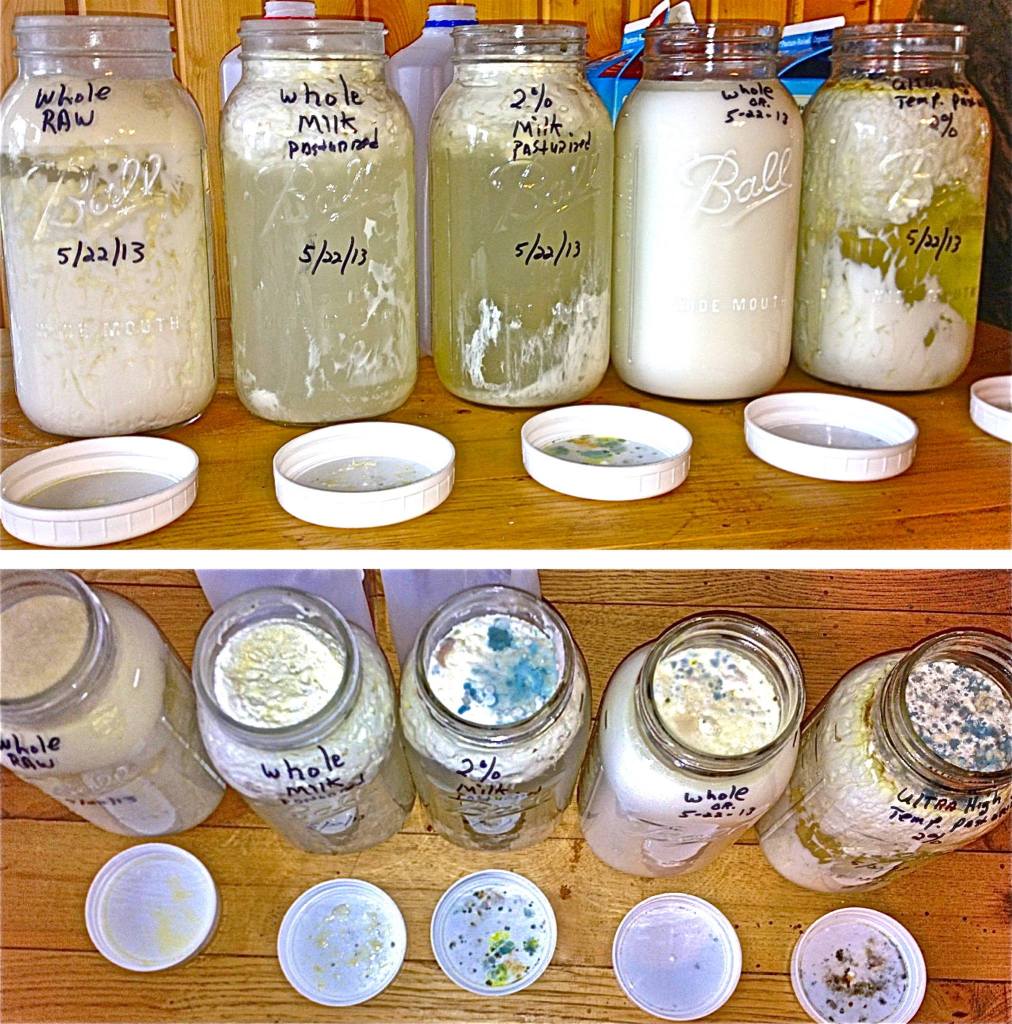
This was posted by Mark McAfee of Organic Pastures Dairy, since renamed Raw Farm, on Facebook in 2013
Raw Whole Milk: NO MOLD
Pasteurized Whole Milk: Medium mold levels
Pasteurized 2% Milk: HIGH mold levels
Pasteurized Organic Whole Milk: Medium mold levels
ULTRA High Temp Pasteurized 2 % Milk: EXTREMELY HIGH mold levels
What we can learn from this experiment:
Pasteurized Milk is more likely to cause food poisoning. A lot of diseases that were previously thought to be infectious diseases were caused by pasteurized milk(Read the next article in this series Raw History of Milk to learn how the practice of pasteurization became mainstream).
With the health benefits associated with fresh raw milk, there is no wonder that there is a growing rural revival returning to traditional eating. Real, nutritionally dense foods include locally grown produce and RAW MILK! And as always, please use your best judgment when it comes to food safety. Do the sniff test and research food safety standards when ingesting anything. I am not a doctor, and this blog is not medical advice.
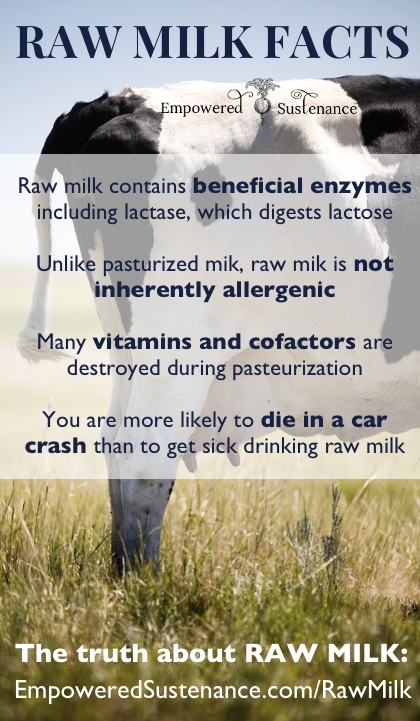
Pasteurization is a double-edged sword: anything whole, raw, and natural contains bacteria, much like the yeast, bacteria, and fungi found on fresh non-irradiated fruits, vegetables, and greens. There are no inherently ‘good’ or ‘bad’ bacteria—just different bacteria that consume different things. However, it’s important to note that since pasteurized milk lacks beneficial lactobacillus and acidophilus, pathogenic bacteria are more likely to become vectors for potentially dangerous pathogens. If left out or exposed, these pathogenic microorganisms in pasteurized milk will thrive, which is why milk past its due date has a nasty smell, whereas raw milk left out just smells like yogurt.
Here is a comparison of a fresh apple with a microwaved (cooked) apple. Heat destroys many microbes now considered ‘beneficial’ by the medical community. Kirlian Photography is a method used to view the life force or vitality of living objects, plants, animals, and humans.
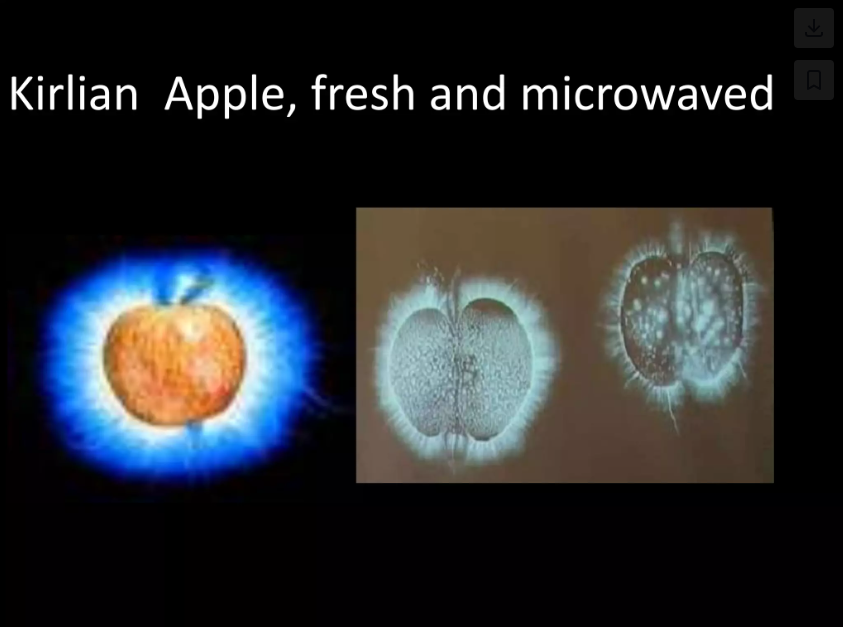
Kirlian photo of a fresh Vs microwaved apple.
**Lack of bacteria in food and leaky gut
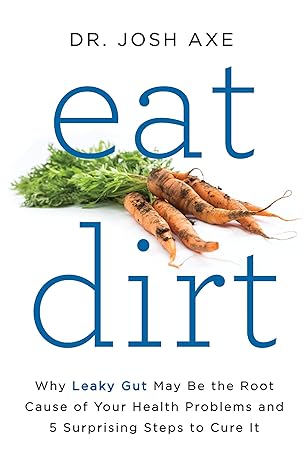
**Dr. Josh Axe, a Doctor of Natural Medicine and wellness authority, provides a groundbreaking and essential guide for understanding, diagnosing, and treating leaky gut syndrome—a frequently discussed yet little-understood health condition. Leaky gut syndrome is the root cause of numerous ailments, including chronic inflammation, allergies, autoimmune diseases, hypothyroidism, adrenal fatigue, diabetes, and even arthritis.
Our gut health depends on maintaining a symbiotic relationship with the trillions of microorganisms that live in our digestive tract. These bacteria outnumber human cells by 10:1. When our digestive system is disrupted, serious health problems can arise, and our intestinal walls can develop microscopic holes, allowing undigested food particles, pathogenic bacteria, and toxins to seep into the bloodstream. This condition is known as leaky gut syndrome.
Modern “improvements” to our food supply, such as pasteurization, irradiation, sanitization, and genetically modified plants, have harmed our intestinal health. The same organisms in soil that help plants and animals thrive are also crucial for our gut health. In *Eat Dirt*, Dr. Axe explains the importance of getting a little “dirty” in our daily lives to support our gut bacteria and prevent leaky gut syndrome. He offers simple ways to incorporate these beneficial microbes into our diets, such as using local raw honey and bee pollen and avoiding hand sanitizers.
With rigorous milk safety standards, the risk of illness from consuming raw milk can be very low. It is actually quite difficult to produce raw milk that will make you sick. First-time drinkers might experience some light stomach rumbling. If you have lactose intolerance, start with 50ml a day and gradually increase to 500ml a day. Fresh A2 raw milk smells like fresh grass and has a natural sweetness. Besides the greater infectious potential of pasteurized milk, are there other disadvantages to processed milk? Indeed, there are enough to fill several chapters. But before discussing the other disadvantages of pasteurized milk, let’s look at an example of the amazing protective qualities of raw milk, even when it’s dirty. Here’s an anecdote from The Raw Truth About Milk by Dr. William Campbell Douglass:
Jack Mathis, President of Atlanta’s Mathis Dairy, was invited to inspect the dairy at the Atlanta City Prison Farm and make suggestions for modernization. He found the entire operation to be indescribably filthy.
“It looked more like an outhouse than a milking parlor,” was his first observation. The pathetic cows were in obvious pain, being milked by machines entirely unattended. Manure on the cow’s hindquarters was running over the teats, the milking apparatus, and into the milk. From the milking machine, the milk ran into an open ten gallon can by hose.
“You couldn’t see the top of the can for the flies,”
Mathis said. “It was like a bee hive with flies walking in and out of the can.” Jack Mathis assumed that the milk was for the prison farm pigs, but it wasn’t. It went directly to a cooler in the prison dining hall, complete with cow and fly manure and fly carcasses.
It was simply strained through the cooler and then drunk by the prisoners. No one had gotten sick from the milk in ten years. What a case for raw milk!
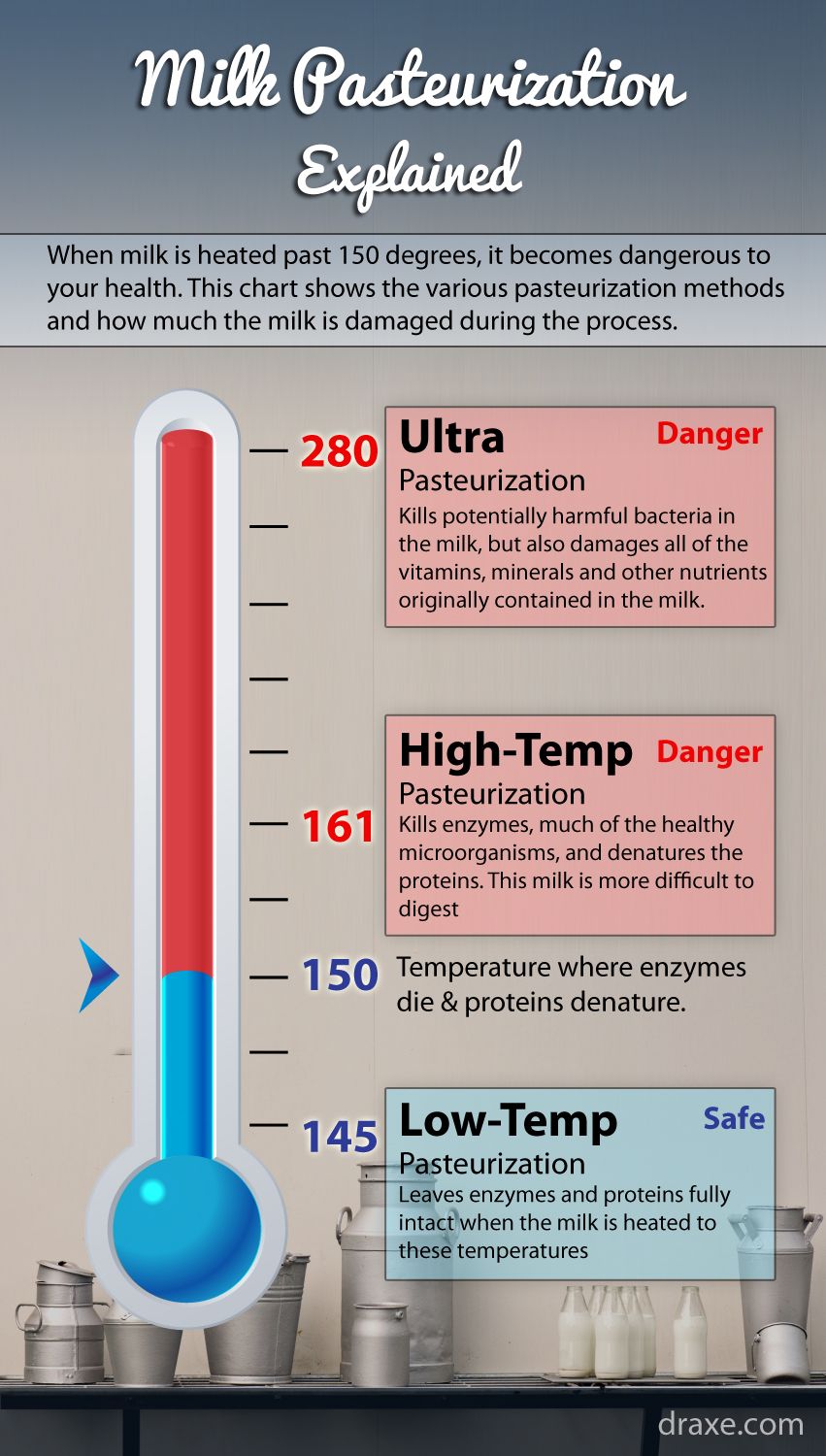
All forms of pasteurization destroy the benefits of raw milk.
We should enjoy dairy products as nature intended—organic and raw, rather than processed and manipulated. In Canada, it is illegal to sell or distribute unpasteurized milk. Health authorities justify this by claiming that raw milk “may contain pathogens,” while allowing the sale of more dangerous foods like raw oysters and other shellfish. Even hamburger patties and spinach cause more illness than carefully produced raw milk.
Despite this, there is increasing demand for traditional foods, including raw milk produced with care. Many respected professionals, including medical doctors, nutritionists, and epidemiologists, assert that carefully produced raw milk has significant advantages over the industrially manufactured milk-like products commonly available. Raw milk contains its own immune system, including heat-sensitive enzymes like lactoferrin, a potent natural antibiotic destroyed by pasteurization. Many other beneficial enzymes and a significant portion of water-soluble nutrients, such as Vitamin C, are also destroyed during pasteurization.
Health authorities are correct that raw milk contains bacteria, but these are naturally occurring beneficial lactobacillus and acidophilus bacteria. These bacteria consume lactose (milk sugar) and produce lactic acid, which is deadly to harmful bacteria such as E. coli and Campylobacter jejuni. This “living milk” is so beneficial that industrial dairies add these bacteria back into certain dairy products after pasteurization, charging consumers a premium for products like “probiotic” yogurt.
However, not all raw milk is created equal. Raw milk produced by concentrated animal-feeding operations cannot be produced safely. Industrial dairies rely on pasteurization to address any sanitary issues that arise during production, and contamination of pasteurized milk by raw milk intended for pasteurization can cause illness or even death. Health authorities often use such contamination as a justification for banning carefully produced raw milk meant to be consumed raw.
Carefully produced raw milk, however, has an excellent safety record—you are more likely to be struck by lightning than to become ill from consuming it. There is general agreement that this type of milk comes from small herds of cows, goats, or sheep that are primarily grass-fed or forest-grazed naturally, that the milk undergoes minimal processing other than rapid chilling and filtering, and that organic practices are followed.
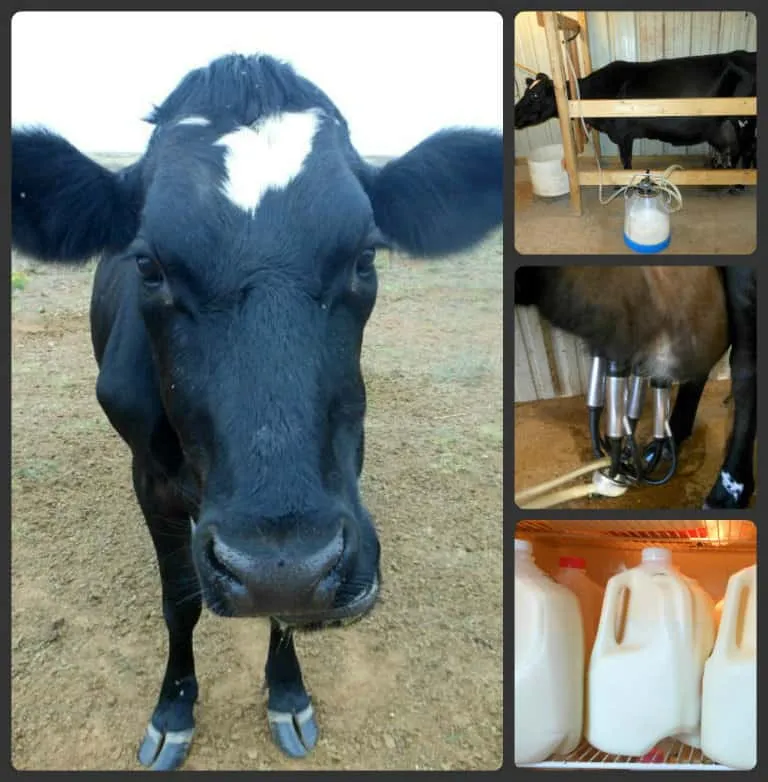
Not all Raw Milk is hand-milked. For better hygiene Farmers use milking equipment to milk their cows, the milk is then stored in low temps to maintain freshness.
So, if this elixir is so beneficial yet illegal, what should a health-conscious raw milk enthusiast do?
Search for raw milk in your area on Google. While options may be limited, you can usually find a source, especially if you’re in a dairy-heavy region. One such raw dairy I found in India through Google is Absolute Milk in Goa.
Summary
Pasteurization, much like vaccines, is something we continue to do largely out of ignorance. Historically, milk was boiled because cows were often fed garbage and kept in filthy conditions. It was common for the same pails used for emptying dung to be used for milking without washing them, as there was no concept of ‘clean’ and ‘dirty.’ Both humans and animals lived in their own waste and drank the same water they defecated in.
Boiling milk killed the contamination from dirty pails, sick milkmaids, or sickly cows (hygiene was not a concept at the time). Thus, boiling was the most cost-effective way to preserve milk back then. While boiling increased the shelf life of milk, it degraded the nutrients and, over time, caused chronic diseases and intolerance in its drinkers. This trade-off was accepted. Back then, there was no refrigeration or nationwide cold chains like we have today—so why are we still boiling milk today? Old practices die hard.
Pasteurization allows commercial dairies to maintain lax hygiene standards. In contrast, raw milk processing requires much higher standards of processing and hygiene. Raw milk processing is not taught in agriculture universities today; instead, they teach the obsolete method of pasteurization and newer heat treatment options like UHT. Raw milk is legal in India, and a few dairies sell refrigerated raw milk.
Any kind of heat processing degrades milk and permanently alters its chemical composition. Raw milk can be safely turned into raw milk yogurt by ensuring the temperature doesn’t exceed 100°F.
What about colostrum? Bovine colostrum, which is touted as a superfood, is made in the same way as milk powder—spray-dried. Milk powder is a processed food lacking the vitality and enzymes of raw milk, which are crucial for digestion. Colostrum powder is a dead product, similar to powdered or condensed milk. It’s still a good option for infants who don’t have access to human mother’s milk or for weaning kittens/puppies who aren’t drinking their mother’s milk, but if you can find the real thing, it’s better. Most farmers with cows will be happy to sell you some if you ask, as it is produced in small amounts and given after the calf has had its share.
Most generational farmers with cows may not know about raw milk or that refrigeration can prolong its life.
What about colostrum? Bovine colostrum, which is touted as a superfood, is made in the same way as milk powder—it is spray-dried. Milk powder is a processed food lacking the vitality and enzymes of raw milk, which are crucial for its proper digestion. This is why, you are advised to not drink a lot of pasteurised milk and you get loosies when you eat too many milk products(becyase all the milk used in sweet-making is boiled)
Colostrum powder is a non-living product, similar to powdered or condensed milk. It remains a good option for infants without access to human mother’s milk or for weaning kittens and puppies not drinking their mother’s milk. However, if you can find fresh colostrum, it is preferable. Most farmers with cows will be happy to sell you some if you ask, as it is produced in small amounts and given after the calf has had its share. Spray-dried colostrum powder should be used instead of commercial baby food or kitten food, and it is a better milk replacement for puppies and kittens (KMR) in the absence of their mothers or as a human milk replacement for babies whose mothers are unable to feed them or are absent.
_Sources and recommended reading:
_Natural News, Real Milk, WAPF, Wikipedia
Got Raw Milk? by Jan Steinman
The RAW TRUTH about MILK by William Campbell Douglass II, MD(Formerly The Milk Book)
https://en.wikipedia.org/wiki/Swill\_milk\_scandal
https://slideplayer.com/slide/14010514/
https://exoprotein.com/blogs/blog/the-war-on-raw-milk?srsltid=AfmBOopMrIz2IZtBpQf382kLAe3A5xoAYK6CVe-ovOj7d7FI5afBFFIA
https://www.realmilk.com/raw-milk-at-the-crossroads-again/
https://www.realmilk.com/sowing-the-seeds-of-fear/
https://vrindavan.farm/blog/milk-pasteurization.php
Thanks for reading Harsh’s Substack! Subscribe for free to receive new posts and support my work.
Originally published on Substack — view source