October 1, 2024
If Bridgerton was real
Tv shows like Bridgerton do not show the not-so-good-old days From the 1800s into the 1900s.
As we passed along the reeking banks of the sewer the sun shone upon a narrow slip of the water. In the bright light it appeared the colour of strong green tea, and positively looked as solid as black marble in the shadow—indeed it was more like watery mud than muddy water; and yet we were assured this was the only water the wretched inhabitants had to drink. As we gazed in horror at it, we saw drains and sewers emptying their filthy contents into it; we saw a whole tier of doorless privies in the open road, common to men and women, built over it; we heard bucket after bucket of filth splash into it …
– Henry Mayhew (1812–1887), September 24, 1849
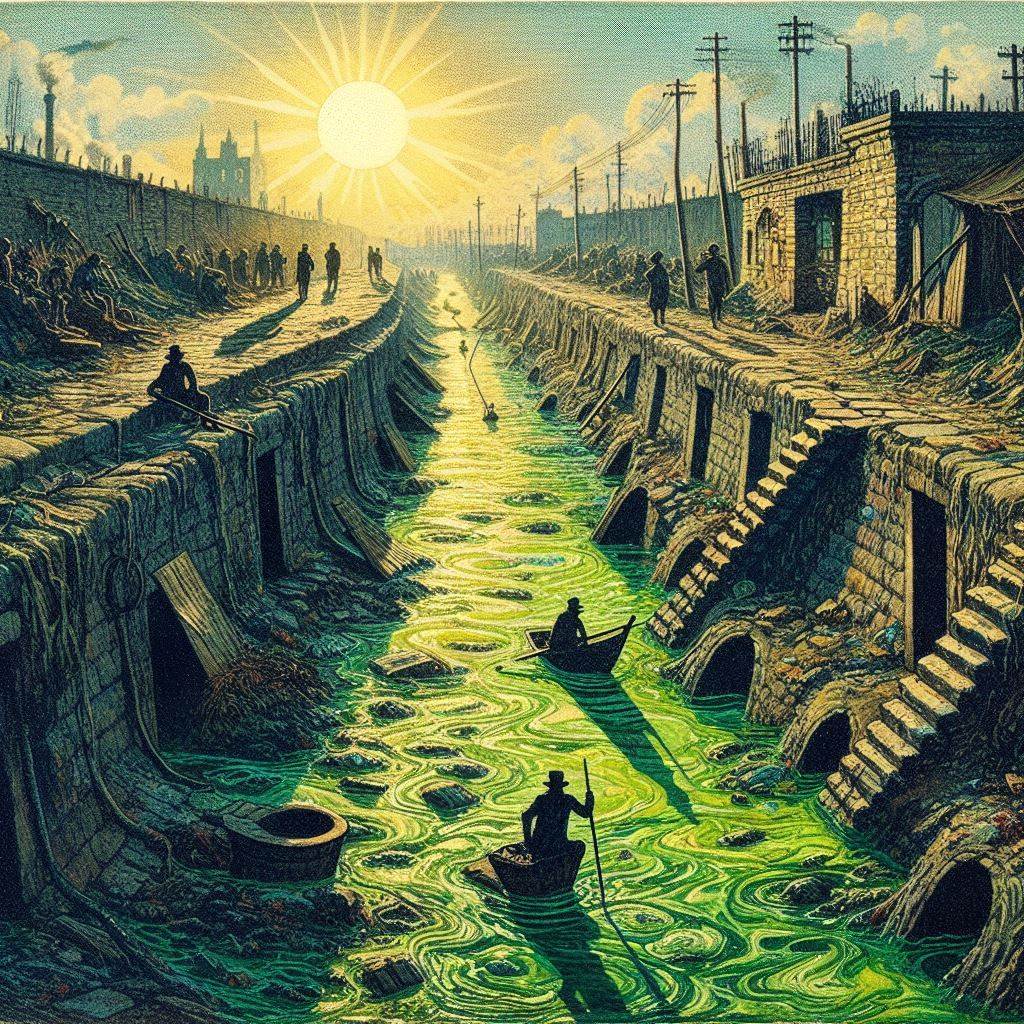
An AI generated image to help us better imagine what Henry Mayhew was conveying.
Passing along a rough bank, among stakes and washing lines, one penetrates into this chaos of small one-storied, one-roomed huts, in most of which there is no artificial floor; kitchen, living, and sleeping-room all in one … Everywhere before the doors residue and offal [waste]; that any sort of pavement lay underneath could not be seen but only felt, here and there, with the feet.
– Friedrich Engels (1820–1895), 1844
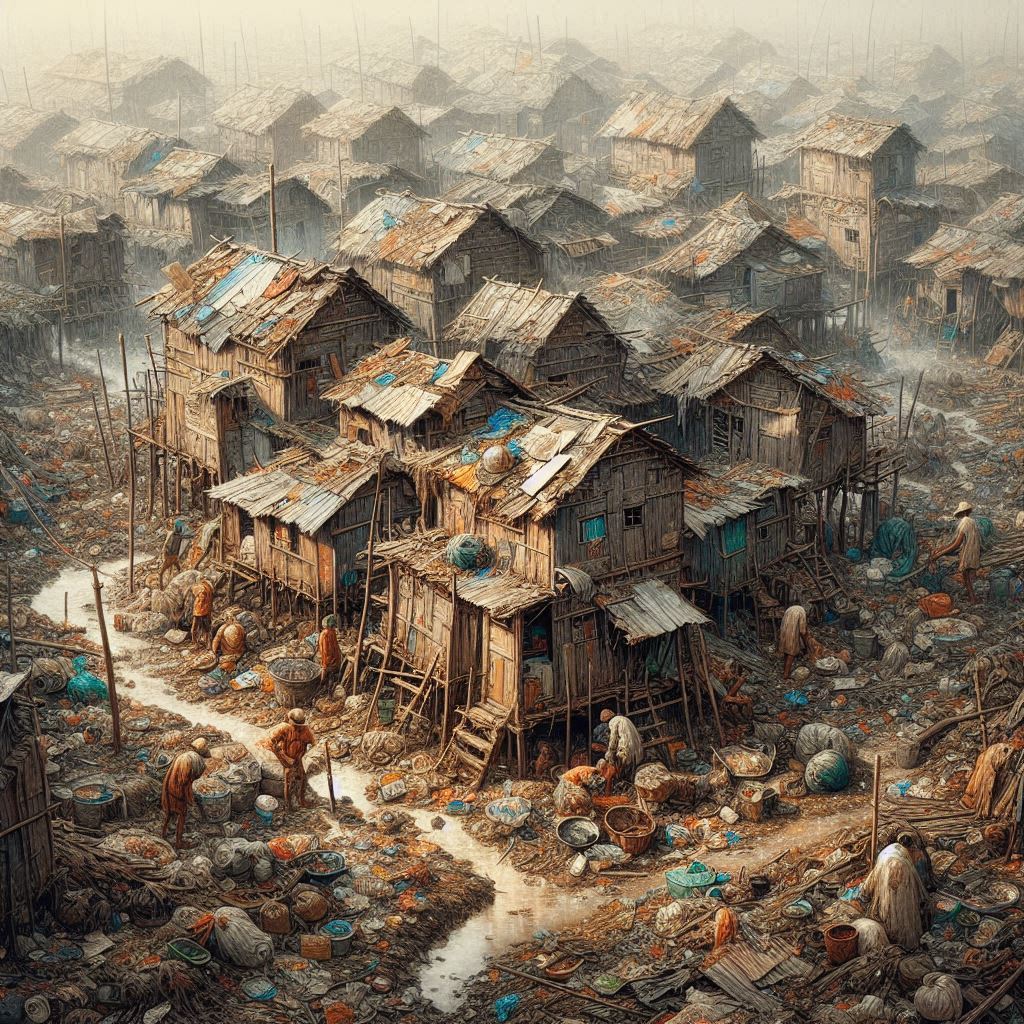
An Ai-generated image of what Fredrich Engels described above.
Thanks to TV shows such as Bridgerton, many of us have a picture of the 1800s and 1900’s colored by a myriad of filters that impart a nostalgic and romantic view of that era. (The one thing Bridgerton got right was the horse carriages!) You may picture a time when gentleman callers arrived to meet a well-dressed lady in a finely furnished parlor, a time where people leisurely drifted down a river on a paddlewheel riverboat while sipping mint juleps. You may think of more elegant travel aboard a steam train passing through the beautiful countryside or a stylish woman dressed in a long, flowing gown, descending from a sleek horse-drawn carriage with the aid of a dapper companion in a top hat. You may imagine those times where life was simple and ordered—a seeming utopia, free of the many woes that plague modern society.
But if those filters are removed and a more objective light is cast upon that time, a different picture emerges. Instead, imagine a world where workplaces had no health, safety, or minimum-wage laws. The 1800s was a century when people put in 12 to 16 hours a day at the most tedious menial labor. Imagine bands of children roaming the streets out of control because their parents were laboring long days. Children were also involved in dangerous and demoralizing work. Picture the city of New York surrounded not by suburbs but by rings of smoldering garbage dumps and shantytowns. Cities where hogs, horses, and dogs and their refuse were commonplace in the streets. Many infectious diseases were rampant throughout the world, particularly in the larger cities. This is not a description of the Third World, but a large portion of what the United States and other civilized Western countries used to be only 100 years or so ago.
Thanks for reading Harsh’s Substack! Subscribe for free to receive new posts and support my work.
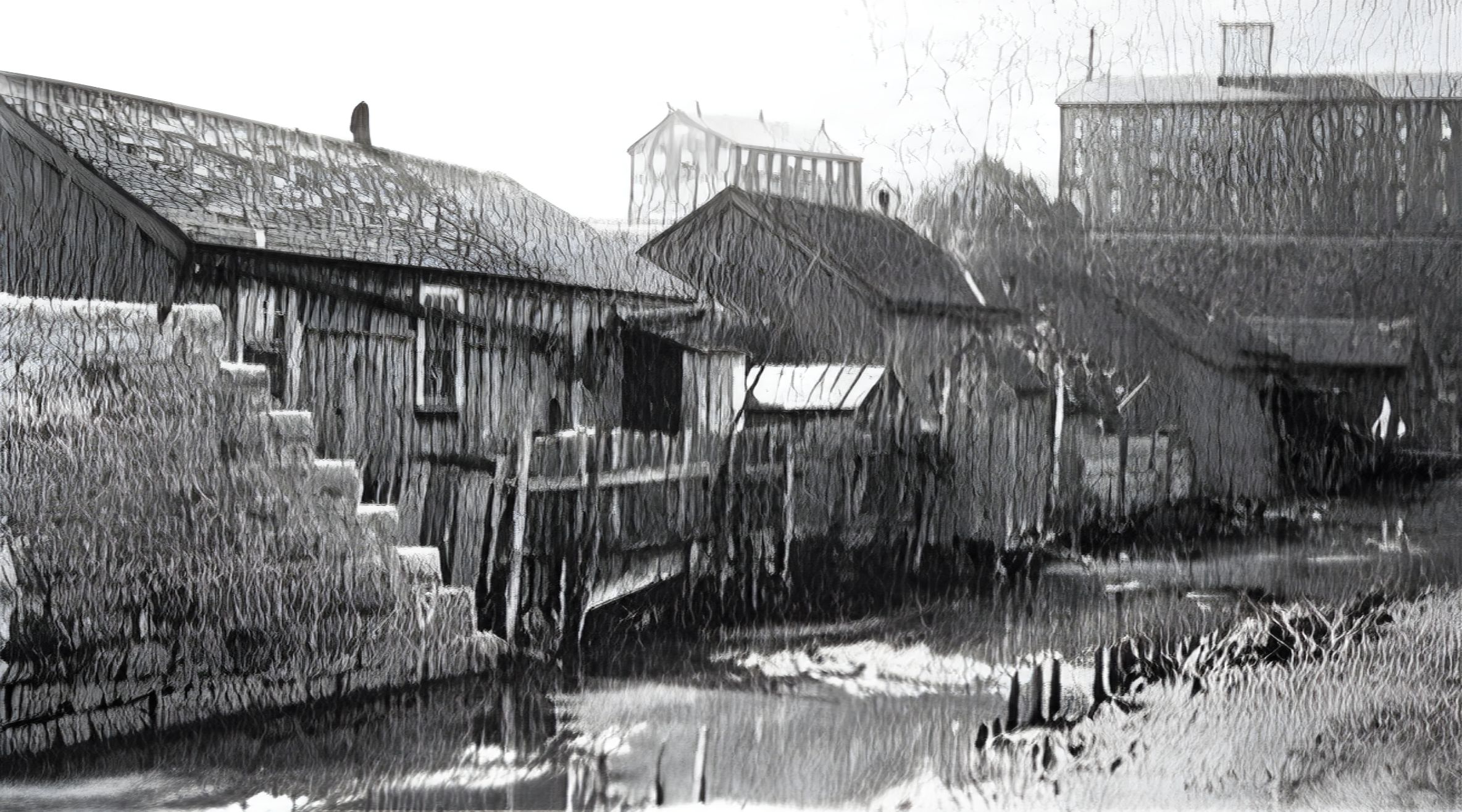
Syracuse, NY—Shanties Back to an Open Sewer. (1901).
The “good old days,” when everything, particularly human health, was supposedly better than it is today, are a myth. The documented history of Western civilization describes an endless and unromantic struggle with sickness and death, tragically high infant mortality, and the premature death of young adults. Death-dealing epidemics attacked helpless communities nearly as often as summer and winter came to pass and were followed every few years by major catastrophes. In Victorian England, the average age of death among the urban poor was 15 to 16 years.
- Velv W. Greene, PhD, MPH, “Personal Hygiene and Life Expectancy Improvements Since 1850: Historic and Epidemiologic Associations,” American Journal of Infection Control, August 2001, p. 203.
During the 1800s, the number of factories grew along with a rapidly increasing population, resulting in a flood of people from the countryside into the towns and cities looking for work. The population of the city of London, England, increased by almost ninefold during the 19th century. Industrialization rapidly multiplied threats to health because of the enormous simultaneous growth of towns.
In 1750, about 15 percent of the population lived in towns; by 1880, a staggering 80 percent was urban. In 1801, one in five workers was employed in manufacturing and linked occupations; by 1871, that had climbed to two in three. The largest city in the Western world, London, had about 800,000 inhabitants in 1801; by 1841, its population had grown by a further million, and at the death of Queen Victoria in 1901, the heart of the empire contained seven million inhabitants.
-Roy Porter, The Greatest Benefit to Mankind, Harp Collins, New York, 1997, p. 398.
Hazardous housing
Housing could not accommodate the population explosion, which resulted in overcrowding and a remarkable buildup of human and animal waste. In some cases, large buildings, originally built for breweries or sugar refineries, were later divided into numerous small, dark rooms for families to live in. These conditions contributed to high disease and death rates.
The stenches from the “horribly foul cellars” with their “infernal system of sewerage” must needs poison the tenants all the way up to the fifth story… the well-worn rut of the dead-wagon and the ambulance to the gate, for the tenants died there like flies in all seasons, and a tenth of its population was always in hospital.
The Tenement House Commission long after-ward called the worst of the barracks “infant slaughter houses,” and showed, by reference to the mortality lists, that they killed one in every five babies born in them.
If there is an open space between them [tenements], it is never more than a slit a foot or so wide, and gets to be the receptacle of garbage and filth of every kind; so that any opening made for the purposes of ventilation becomes a source of greater danger than if there were none.
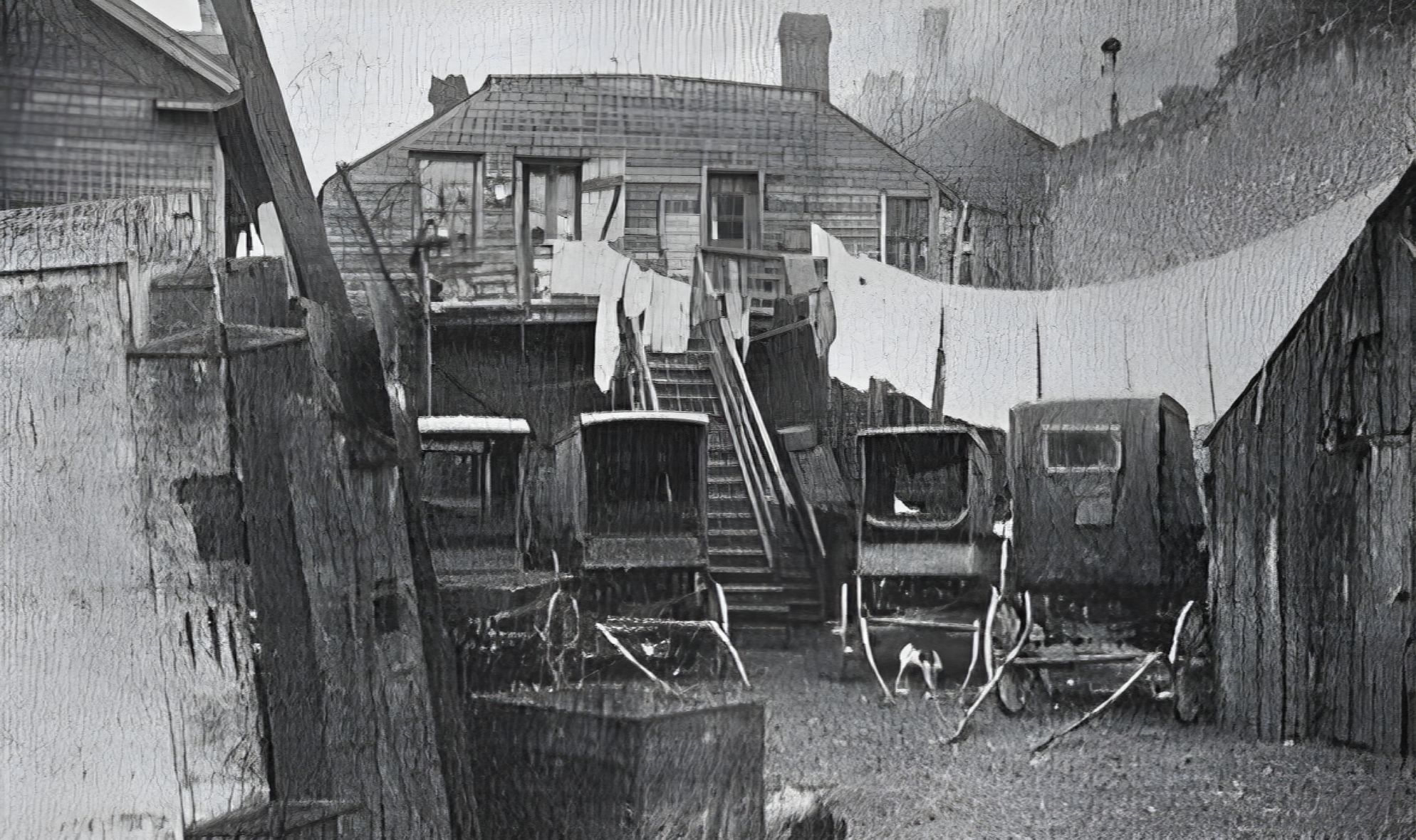
Jefferson Street. The shed barn at right contains three horses. The barn next in view contains six horses and two goats. The house in the center of the picture is full of Italian families and presents no redeeming feature. On the left are other tenements full of families. (1911)
Although advances had been made by the early 1900s, many still lived in abysmal sanitary conditions. Some tenements were furnished with indoor facilities, but they were often shared by multiple families. Tales of despair and suffering were commonplace among the working poor. Struggle for survival was a daily affair. People were often close to financial and physical collapse.
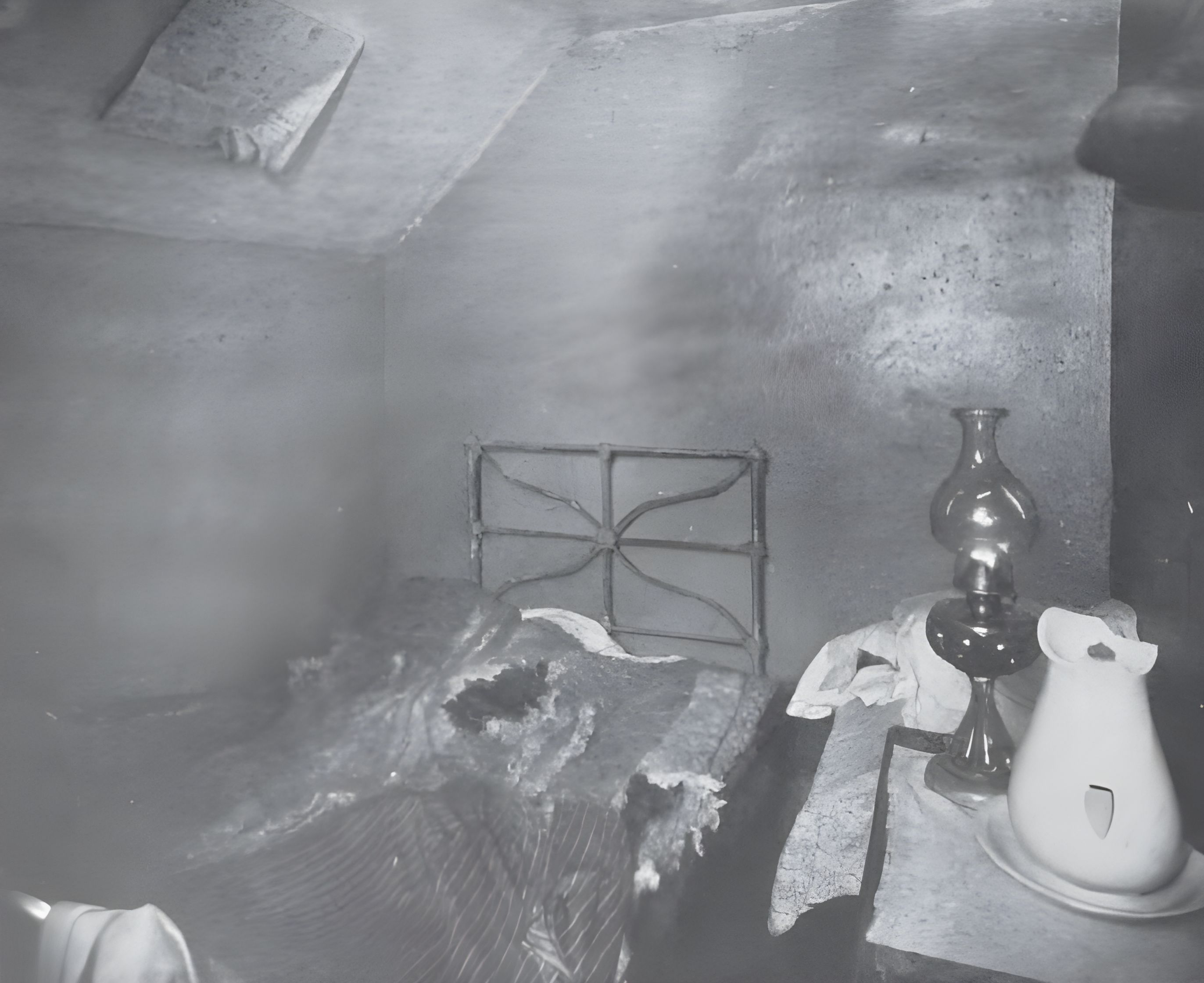
A so-called room of a three-room tenement, but it is merely a large size closet with a slanting ceiling, located under the main entrance stairs of the building. Here, in a three-quarter bed, sleep the father and mother and a little child. The rest of the family sleep in the front room and kitchen. This “room” has absolutely no light or ventilation. (1916)
Poor planning with the ever-increasing number of businesses and population led to haphazard city organization. Businesses of all types, including any of their hazardous environmental by-products, were built alongside crowded living quarters. The lack of health regulations and zoning rules resulted in a dangerous and demoralizing environment for the working-class people. An 1861 article on US cities and parks in the Atlantic Monthly described the situation in cities.
Narrow and crooked streets, want of proper sewerage and ventilation, the absence of forethought in providing open spaces for the recreation of the people, the allowance of intramural [within the walls of a building] burials, and of fetid nuisances, such as slaughterhouses and manufactories of offensive stuffs, have converted cities into pestilential enclosures, and kept Jefferson’s saying—“Great cities are great sores”—true in the most literal and mortifying sense.
Large numbers of families dwelled within poorly constructed houses. There was no running water and no toilet. An entire street would share an outdoor pump and a couple of outside privy vaults or outhouses.
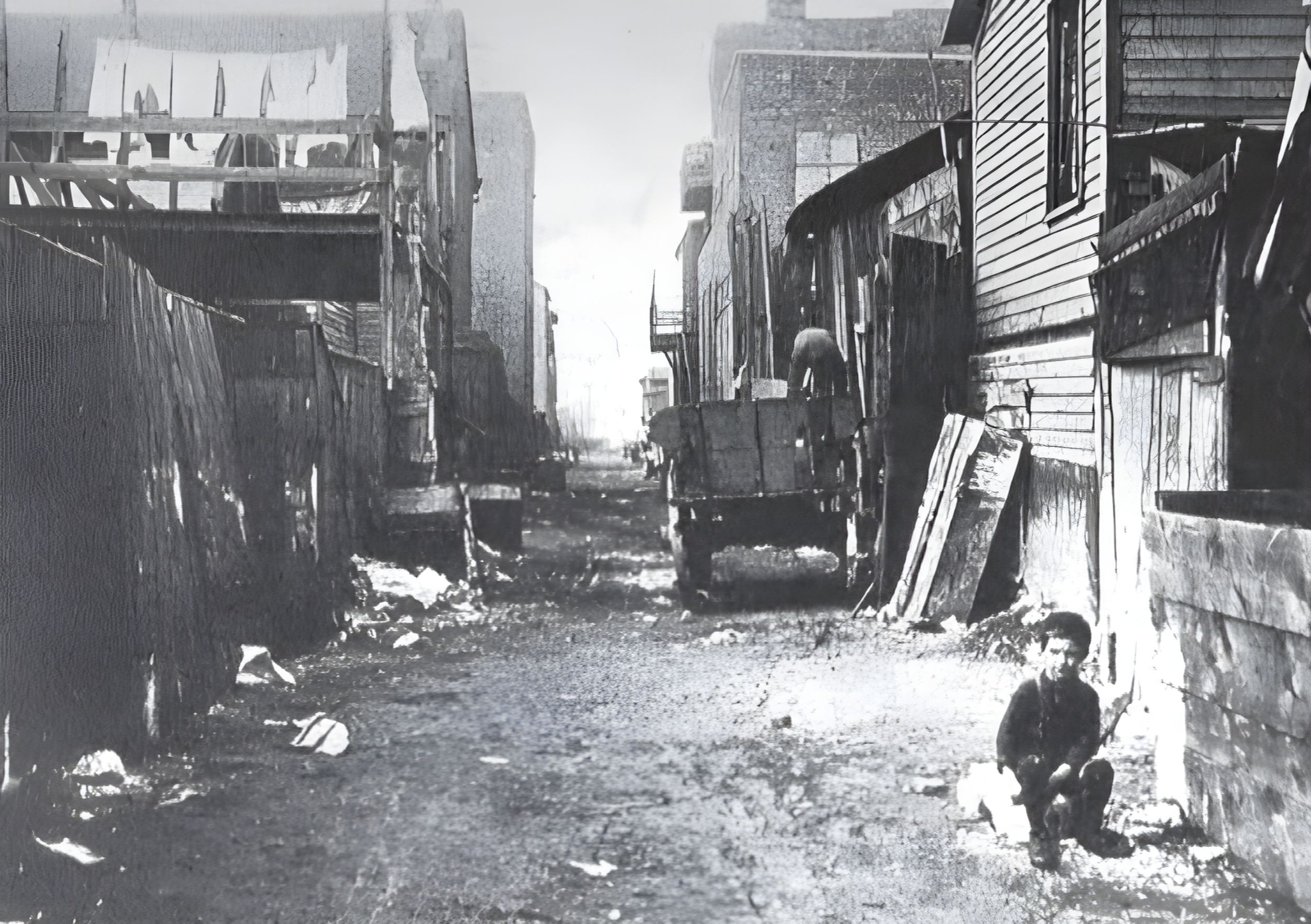
The general insanitary conditions which surround the houses on both sides of the alley. The first house on the right is a small dilapidated frame house. Beyond it are three larger tenements. The outbuildings at the left are all dilapidated, and contain privies which are in a foul condition. There are not enough garbage boxes to supply the needs, and the ones provided are so seldom cleaned that the families dump their slops and garbage in the alley. (1901)
In 1934 Professor Arthur Cole described how some inhabitants of New York and Boston in the 1850s lived in dark cellars overrun with vermin.
While the larger cities possessed handsome residential districts in which the streets were paved and kept clean and the sewage was properly cared for, there was also crowded foreign quarters, veritable hives of humanity lacking ordinary comforts and often even necessities. New York in 1850 had 8,141 cellars sheltering 18,456 persons. There, as in Boston, about a twentieth of the population lived in damp, dark, ill-ventilated, vermin-infested underground rooms. By the end of the war [US Civil War] fifteen thousand tenement houses had been built in New York, many of them hardly more than “fever nests.”
The working classes inhabited the most deplorable housing, which was described by Friedrich Engels in 1844. Engels visited the slums while in Manchester, England, and noted the horrors he observed. He described the people he encountered in London and other towns in England.
…these pale, lank, narrow-chested hollow-eyed ghosts, whom one passes at every step, these languid flabby faces, incapable of the slightest energetic expression, I have seen in such startling numbers.
Hordes of people crowded beneath smoldering, water-rotted roofs, or burrowed among the rats of clammy cellars. Roy Porter, a British historian noted for his work on the history of medicine, wrote about the plight of millions of people in the newly industrialized cities.
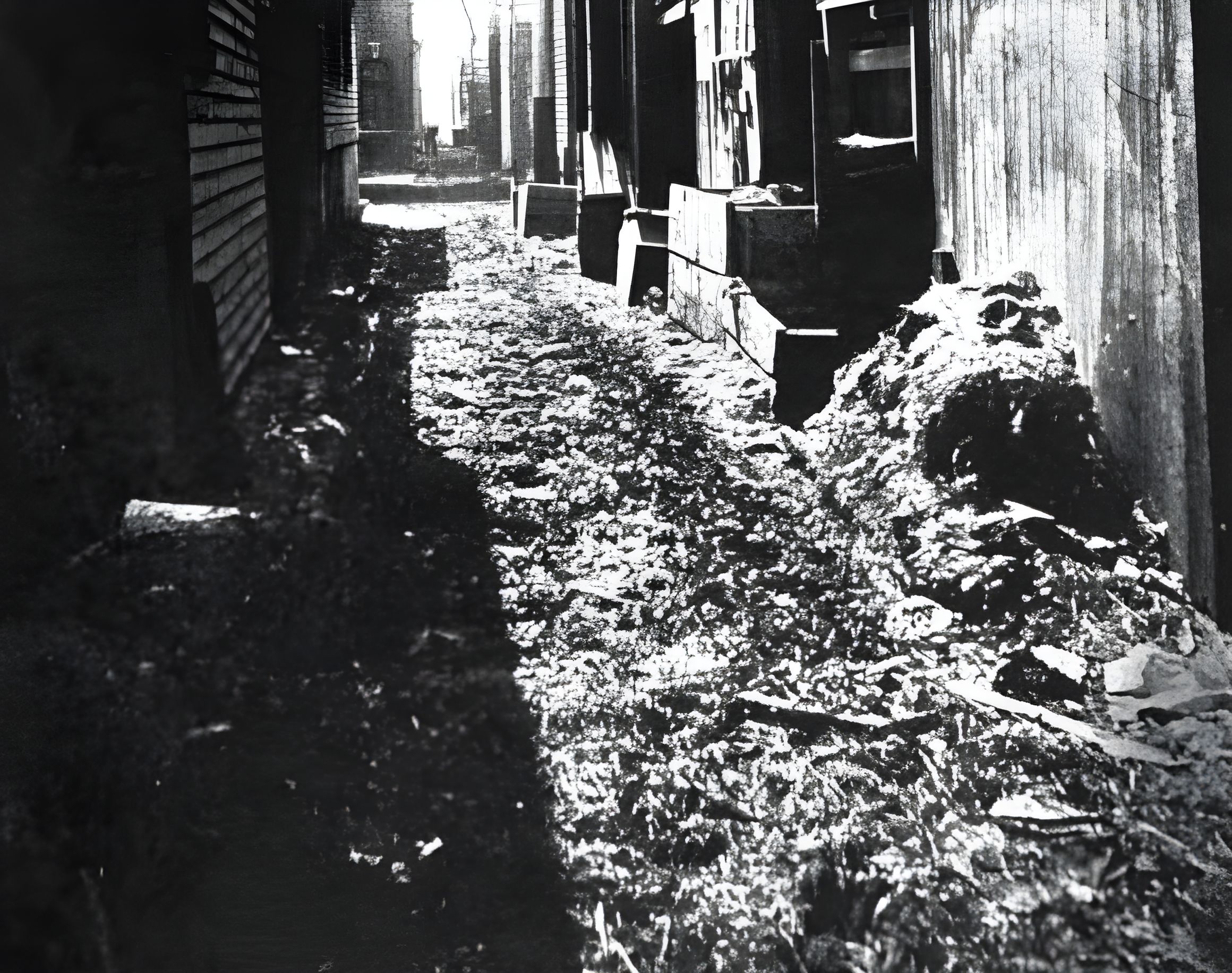
The conditions of the filth-strewn alleys, of courts and yards littered with rubbish, of ill-smelling stables and manure boxes find their climax and in part their cause in the accumulation of garbage. (1901)
For millions, entire lives—albeit often very short ones—were passed in new industrial cities of dreadful night with an all too typical socio-pathology: foul housing, often in flooded cellars, gross overcrowding, atmospheric and water-supply pollution, overflowing cesspools, contaminated pumps, poverty, hunger, fatigue and abjection everywhere. Such conditions, comparable to today’s Third World shanty town or refugee camps, bred rampant sickness of every kind. Appalling neo-natal, infant and child mortality accompanied the abomination of child labour in mines and factories; life expectations were exceedingly low—often under twenty years among the working classes—and everywhere sickness precipitated family breakdown, pauperization and social crisis.
Contemporary writers of the time tried to call attention to the plight of the wretched poor and their terrible living conditions. Andrew Mearns and William C. Preston wrote about the poor in their 1883 book The Bitter Cry of Outcast London: An Inquiry into the Condition of the Abject Poor.
Few who will read these pages have any conception of what these pestilential human rookeries are, where tens of thousands are crowded together amidst horrors which call to mind what we have heard of the middle passage of the slave ship. To get to them you have to penetrate courts reeking with poisonous gases arising from accumulation of sewage and refuse scattered in all directions and often flowing beneath your feet; courts, many of them which the sun never penetrates, which are never visited by a breath of fresh air, and which rarely know the virtues of a drop of cleansing water. You have to ascend rotten staircases, which threaten to give way beneath every step, leaving gaps that imperil the limbs and lives of the unwary. You have to grope your way along dark and filthy passages swarming with vermin. Then, if you are not driven back by the intolerable stench, you may gain admittance to the dens in which these thousands of beings who belong, as much as you, to the race for whom Christ died, herd together.
The extremely stressful conditions rapidly aged the poor working-class people. Those who escaped death from disease or disability at an early age often only lived into their thirties or forties.
Among the laboring classes, life expectation remained everywhere low—little more than thirty years—and from the 1830s photographs show working people looking old by their thirties and forties, as poor nutrition, illness, bad living conditions and gross overwork took their toll.
Water and sewage and everything foul
Clean water, proper sewage treatment, and fresh air did not exist in these areas. Without any sanitary infrastructure, human and animal waste would flow into the streets, ending up in the local streams and rivers, which happened to also be the people’s primary water supply. Sanitary facilities designed for smaller populations failed. Cesspools overflowed and seeped into the local water supplies.
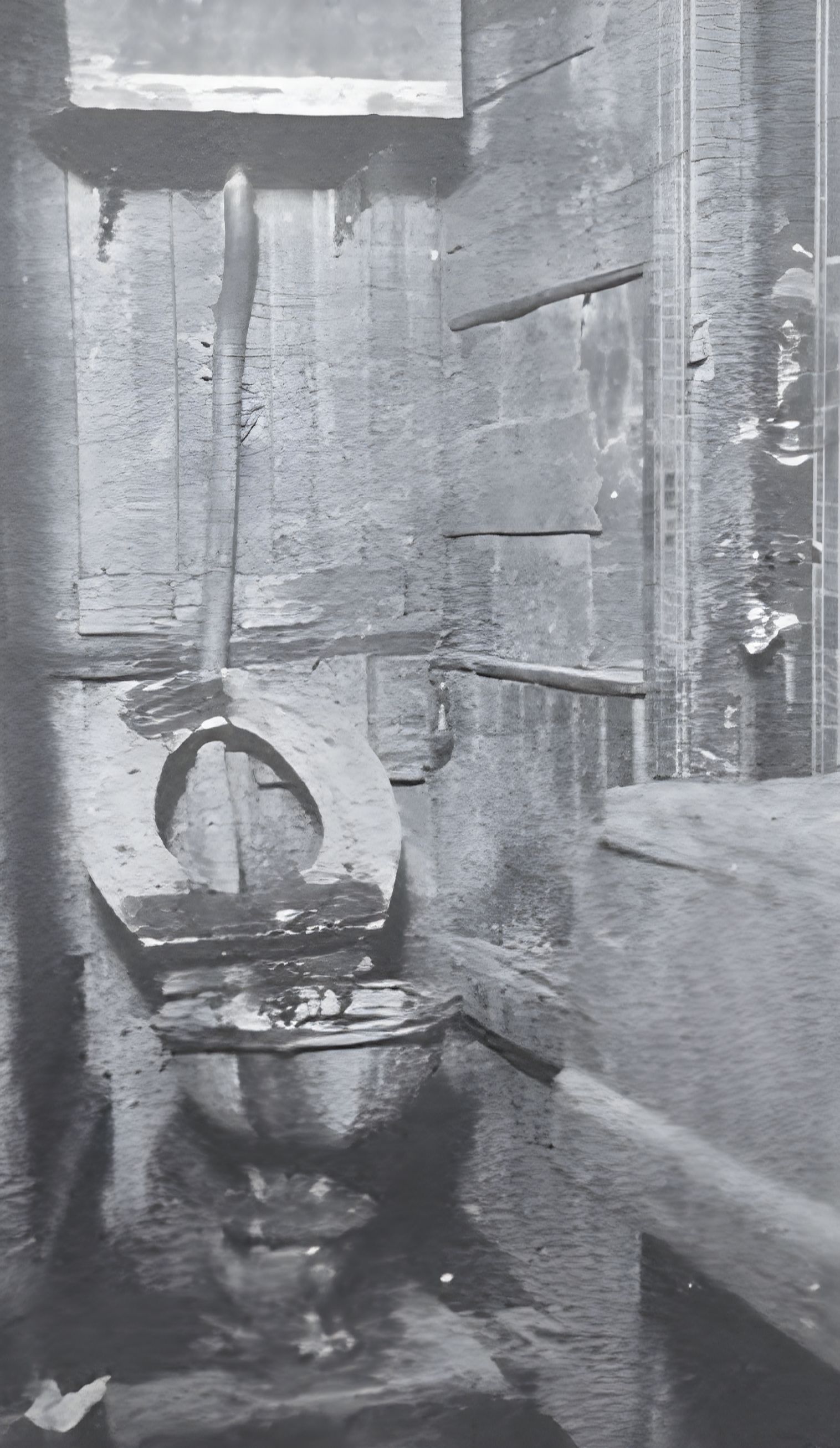
Water-closet used by fourteen families. (1916)
The manner in which the great multitude of the poor is treated by society to-day is revolting. They are drawn into the large cities where they breathe a poorer atmosphere than in the country; they are relegated to districts which, by reason of the method of construction, are worse ventilated than any others; they are deprived of all means of cleanliness, of water itself, since pipes are laid only when paid for, and the rivers so polluted that they are useless for such purposes; they are obliged to throw all offal and garbage, all dirty water, often all disgusting drainage and excrement into the streets, being without other means of disposing them; they are thus compelled to infect the region of their own dwellings.
In the mid-1800s, public water supplies in McLean County, Illinois, and Chicago were described as being contaminated with human and animal waste. The Chicago Medical Society frequently criticized the city’s water supply, which after 1853 was drawn from Lake Michigan by means of a crude wooden inlet 600 feet long, close to where the sewage-filled Chicago River emptied.
Before the 1870s, all kinds of garbage and human and animal waste had been thrown into what became known as the “North and South Sloughs,” originally small streams running into Sugar Creek. Over the years the Sloughs “became a… sodden pool of stench that was the breeding places for disease… because it drained sewage into the community’s primary water source, Sugar Creek.
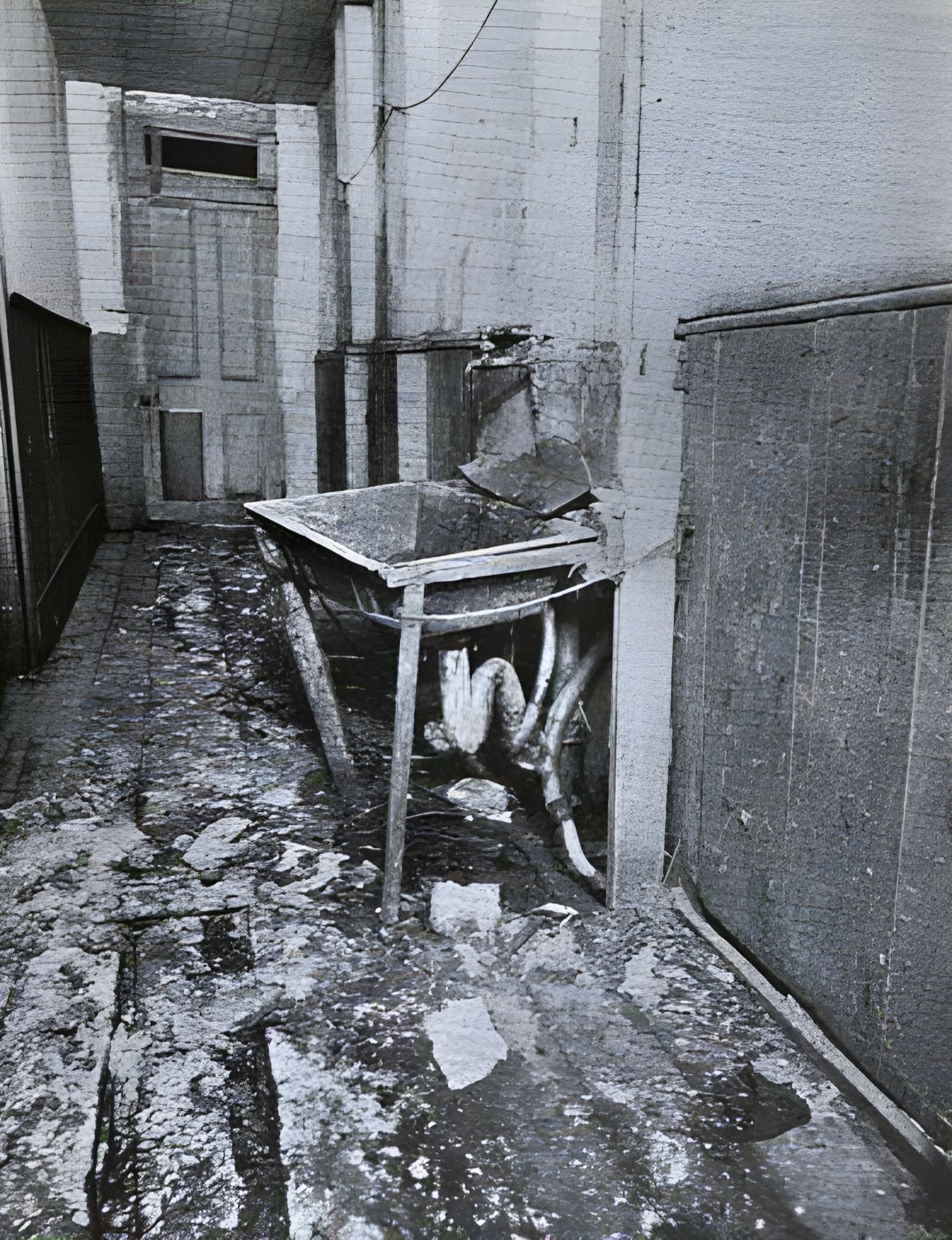
Public hall and sink. Sink supported only by string and flimsy wooden props. Hall floor covered with fecal matter and sewage. (1903)
Poor waste management continued in Paris even after World War I, with many of the city’s cesspools still in use.
Unlike Londoners, most Parisians were still getting their water in 1870 from fountains or water-sellers, and disposing of waste in court pits. Paris was a city of 85,000 cesspools; many remained until after the First World War.
Edwin Chadwick, an English social reformer who worked to improve sanitary conditions and public health, believed that sickness bred poverty. He enlisted the aid of three doctors who were sympathetic to sanitary reforms—Neil Arnott, James Phillip Kay-Shuttleworth, and Thomas Southwood Smith. Their 1838 report revealed the squalor in London.
“The room of a fever patient, in a small and heated apartment in London, with no perflation [blowing] of fresh air, is perfectly analogous to the stagnant pool in Ethiopia full of the bodies of dead locusts,” declared Southwood Smith. “The poison generated in both cases is the same; the difference is merely in the degree of its potency.”
Animals: Dead and live, dangerous and diseased
Because there were no environmental laws, industries simply discharged their waste into the air and water. In 1850s London, the environment was filled with dirt that spewed from factories. If human and animal waste in the city streets was not revolting enough, the people withstood an even worse addition to the loathsome scenario—putrefying corpses of animals.
In manufacturing towns, factory chimneys spewed soot, and everything was covered with dirt and grime. Smoke was a major ingredient of the famous London fog, which not only reduced visibility, but posed serious health risks. Refuse, including the rotting corpses of dogs and horses, littered city streets. In 1858, the stench from sewage and other rot in London was so putrid that the British House of Commons was forced to suspend its sessions.
Animals were found in great numbers in the cities, either roaming freely or in slaughterhouses. The Annual Report of the Metropolitan Board of Health in 1866 describes slaughterhouses that were intermingled with tenement housing.
The suffering caused to animals by the present system of slaughtering is a source of pain and annoyance to all persons living near these establishments. The animals are seldom fed from the time they arrive until they are killed, and constantly give expression to their suffering. Many slaughterhouses are located in the centre of blocks of high tenement-houses, and the business of slaughtering, as viewed from the adjacent windows, is in the highest degree demoralizing in its effects upon the young.
People threw their garbage out onto the city streets, where it was consumed by scavenging pigs, dogs, and rats. The filth in New York City streets had amassed to a depth of two to three feet in the winter. Household refuse and animal waste from horses and the other animals mixed with the muddy streets.
…nearly every city—from the national capital to some budding Western porkopolis—had its hog nuisance or some equivalent. The streets, squares and parks amounted to public pens, hog holes offending the eye and nose at every turn… In the fall of 1853 porkers were more numerous on the streets of Springfield [Illinois] than in the pens at the state fairgrounds. The near-by town of Urbana had a record of more hogs than people, and they had at least equal rights with citizens upon the streets.
With the accumulation of garbage came the inevitable increase in vermin such as rats, which became an accepted part of city life. Disease-spreading insects of all types, including cockroaches, were commonplace in tenements.
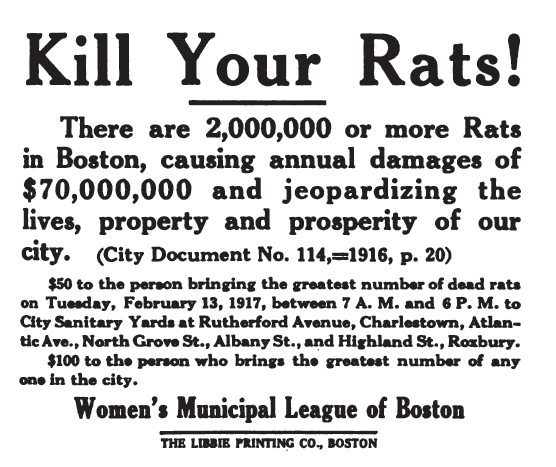
Kill Rats Poster. (1917)
Prisons, dock-yards, and wharves have been celebrated for the multitude and magnitude of the rats which infest them, and the cruelty of their voracious attacks upon the inmates of these receptacles of vermin.
In 1916 the cities of New York and Boston were infested with millions of rats, causing a huge amount of destruction.
It is estimated by the bacteriological department of the Boston board of health that $72,000,000 in damage is done yearly by the 2,000,000 rats that infest Boston. About $91,250,000 in damage is done yearly by rodents in New York City.
During the mid-1800s, hospitals were unsanitary and overcrowded. The American public looked upon them with little regard, considering them a place where the sick and poor went to die. An 1860 article entitled “Rats in the Hospital” published in Harper’s Weekly, a leading journal of that time, exposed the horrific conditions at Bellevue Hospital in New York. The article was inspired by an incident of a baby who was eaten by rats at that hospital.
This day, the inquest held on the body of the infant that was eaten by rats in Bellevue Hospital, New York, was concluded. The evidence of Mary O’Connor, the mother of the child, and that of numerous other witnesses, was taken… and recommended that proper means be taken to rid the hospital of the rats that now infest the institution.
Diseased food and Pasteurised Milk
The limited sources of food consumed by the population were often of poor quality or contaminated. A lack of laws or unenforced laws and a systemically corrupt food supply chain led to an abysmal health situation for those eating diseased food. Attempts to improve the situation were almost always opposed by the individuals and businesses engaged in the offenses because it impacted their bottom line. In Chicago and New York City, milk was of such poor quality that it caused the deaths of thousands of children each year.
…milk sold in Chicago came from cows “fed on whiskey slops with their bodies covered with sores and tails all eat off,” a circumstance which enabled the editorial critic to explain “Why so many children die in Chicago.” New York’s milk supply was also largely a by-product of the local distilleries and the milk dealers were charged with the serious offense of murdering annually eight thousand children.
[Cows] shut up, without proper exercise or pure air, the milk is necessarily diseased, and is the cause of extensive mortality among young children and infants. Besides the unhealthy slops, decayed vegetables, and the sour and putrid offals and remnants of kitchens, are gathered up for food of these animals; the consequence of which is, that they become diseased…
In 1860s England, city inspectors attempted to control the sale and use of diseased meats. To avoid financial losses, diseased meat was made into sausages, pickled and cured for ham and bacon, to be sold to an unsuspecting public. Meat that was too diseased for even sausage was fed to the pigs, which would later be eaten by humans.
The dead-meat markets are contaminated by the carcasses of diseased animals from all sources… in the City markets alone his inspectors seize from one to two tons of diseased meat every week; and similar seizures, but to a less extent, are made in butchers’ shops and slaughterhouses outside the City by Medical Officers of Health and their assistants. In Edinburgh [England], Mr. Gamgee tells us that 100 to 200 diseased cattle are sold in the dead-meat market every week, carcasses being smuggled in by night even from adjoining piggeries. In this way the best butchers, in ignorance “may and do serve diseased meat to the wealthiest in the land.”… Pigs are largely fed upon diseased meat which is too far gone even for the sausage-maker, and this is saying a great deal; and as an universal rule, disease pigs are pickled and cured for bacon, ham, etc.
People often consumed nutrient-deficient diets and contaminated food that left them weak and susceptible to disease. This 1865 report talks about the deplorable state of food in the city of New York. Decayed and diseased foods were often sold to the working classes, which left them in a weakened physical condition.
The quality of the food sold at the corner and butchers’ shops in this neighborhood deserves a more extended notice than it can receive here. A casual examination shows much of it to be unfit for human sustenance. Unwholesome meat, particularly slunk veal [flesh from the fetus of a calf, found during the slaughter of its mother], is constantly vended and consumed. Piles of pickled herrings are exposed to the air till the mass approaches a condition of putridity; and this slimy food, with wilted and decayed vegetables, sausages not above suspicion, and horrible pies, composed of stale and unripe fruits, whose digestion no human stomach can accomplish, all find ready purchasers. These decaying animals and vegetable remains are daily entombed in the protuberant stomachs of thousands of children, whose pallid, expressionless faces and shrunken limbs are the familiar attributes of childhood in these localities.
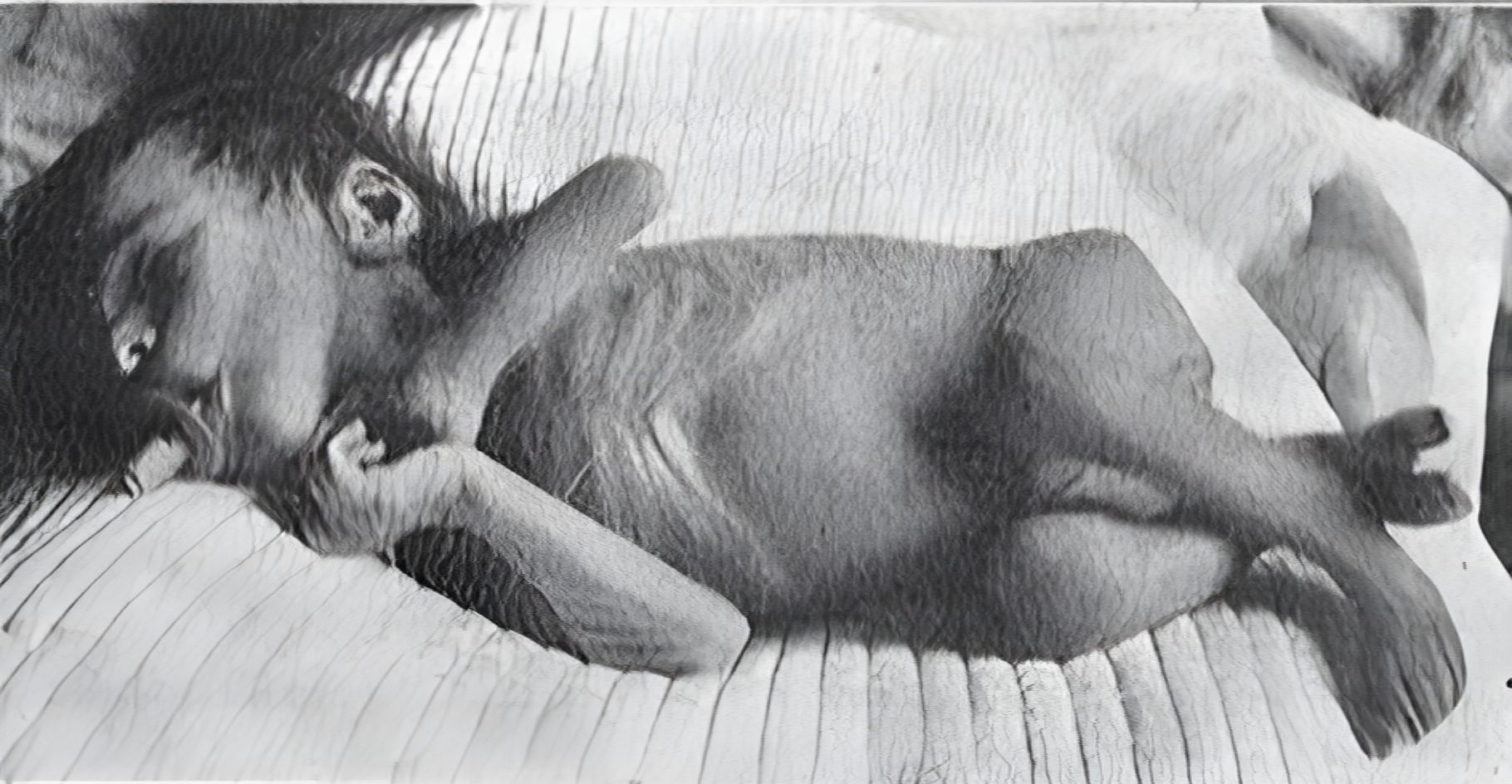
A case of Acute Milk Poisoning Having Vomiting, Diarrhoea, Mucous and Bloody Stools, General Emaciation, Acute Cholera Infantum, and Dysentery. (1914)
The glimpse we have just taken of the underside of Western culture in the 1800s to the 1900s is never discussed in terms of the medical issues and diseases of that notoriously sickened era. Yet those were the most important aspects of susceptibility and spread of illness.
It was not only the adults who suffered these awful conditions. Frequently, children lived an unthinkable existence too. Their lives were often beset not only with pitiful living conditions and diseased, rotten food, but also with long hours of arduous and demoralizing labor, all of which took an enormous toll on their immunity.
Pump of death(1876)
In 1876, the water began to taste strange and was found to contain liquid human remains which had seeped into the underground stream from cemeteries. Several hundred people died in the resultant Aldgate Pump Epidemic as a result of drinking polluted water.
The spring water of the Aldgate Pump had been appreciated by many for its abundant health-giving mineral salts, until – in an unexpectedly horrific development – it was discovered that the calcium in the water had leached from human bones.
The terrible revelation confirmed widespread morbid prejudice about the East End, of which Aldgate Pump was a landmark defining the beginning of the territory. The “Pump of Death” became emblematic of the perceived degradation of life in East London and it was once declared with superlative partiality that “East of Aldgate Pump, people cared for nothing but drink, vice and crime.”
The pump was first installed upon the well head in the sixteenth century, and subsequently replaced in the eighteenth century by the gracefully tapered and rusticated Portland stone obelisk that stands today with a nineteenth century gabled capping. The most remarkable detail to survive to our day is the elegant brass spout in the form of a wolf’s head – still snarling ferociously in a vain attempt to maintain its “Pump of Death” reputation – put there to signify the last of these majestic creatures to be shot outside the City of London.
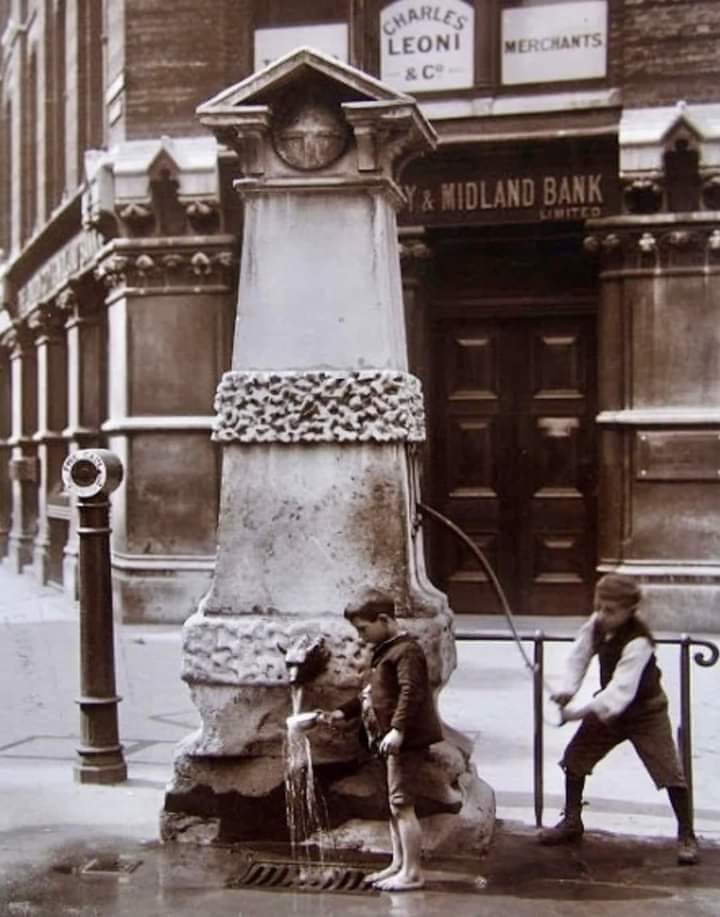
These boys are pumping water, unaware they are in the presence of the notorious “Pump of Death.”
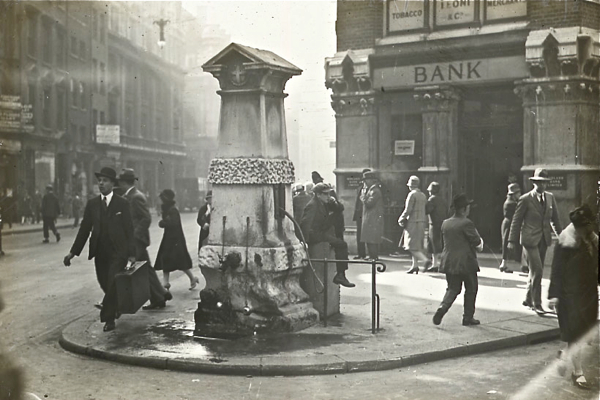
People come and go at the junction of Fenchurch St and Leadenhall St in the City of London in 1927. They are all unaware they are in the presence of the notorious “Pump of Death” – that switched to mains supply fifty years earlier in 1876, when the water began to taste strange and was found to contain liquid human remains which had seeped into the underground stream from cemeteries.
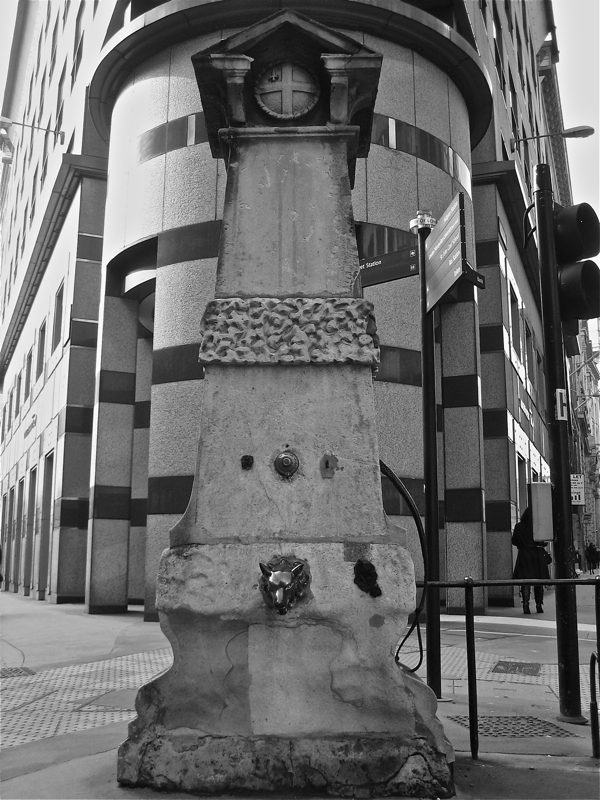
Looking towards Aldgate.
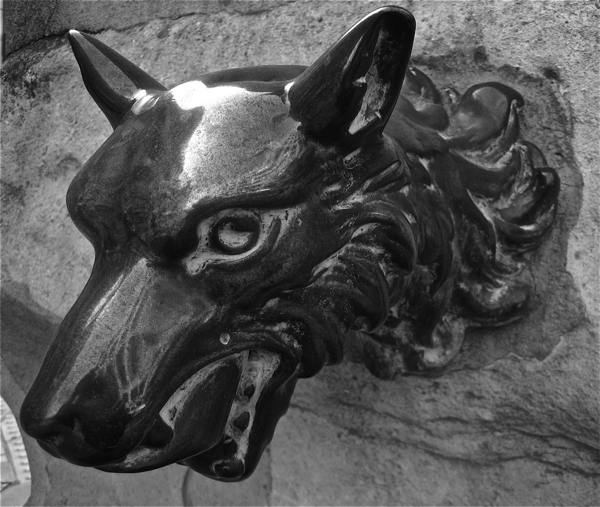
The water head, reputed to be an image of the last wolf shot in London.
Sanitation was the single greatest achievement in human evolution. It was a hard way of learning, but ‘Germ Theory,’ as fallible and flawed as it is today, led to the concept of separation (an ancient menstrual concept lost to urbanization and disconnection from nature) of ‘clean’ from ‘dirty.’ It’s like humanity ‘forgot’ this simple concept (Rome and Mesopotamia had sanitation; how did we ‘forget’ this?) and had to re-learn it with difficult lessons like epidemics, which could’ve been avoided by common sense and which washed over humanity many times over in this period.

This is the most I could push AI to recreate a realistic Bridgerton poster for this article!
See more pictures of the 1800’s and read FREE chapters from Dr Suzanne Humpries’ book Dissolving Illusions here.
Thanks for reading Harsh’s Substack! Subscribe for free to receive new posts and support my work.
Originally published on Substack — view source