January 31, 2025
Quackery II - Metallic Medicine
The story of how metals were once used in medicine, and are still continued to be used today.
Throughout human history, every manifestation of disease—from festering pocks to searing fevers, from gut-wrenching nausea to debilitating diarrhea—represents the body’s intricate defense mechanism against perceived invaders. These symptoms are not mere afflictions, but sophisticated survival strategies meticulously designed to expel threats and restore equilibrium.
Even seemingly passive responses like overwhelming fatigue and the subsequent compulsion to sleep are deliberate, calculated actions by the body to maximize healing potential. In the natural world, this survival instinct is universally observed: animals instinctively fast and rest when illness strikes, redirecting metabolic resources toward recovery.
Thanks for reading Harsh’s Substack! Subscribe for free to receive new posts and support my work.
Whether confronting a minor bacterial intruder or a life-threatening pathogen, disease emerges not as a weakness, but as an essential, dynamic process of healing—a testament to the body’s remarkable self-preservation mechanisms.

On the surface, disease seems an unchanging phenomenon—a timeless battle between body and invader. One might assume that viral or bacterial attacks today unfold exactly as they did thousands, even millions of years ago, with our biological defenses responding in precisely the same manner.
But what if something fundamental has shifted in the last two centuries? What if a singular occurrence has emerged that fundamentally differs from everything in human history?
Indeed, such a transformative event did transpire. Humans began extracting metals from the earth’s crust—a process that would catalyze the most significant leap in industrial, agricultural, and technological advancement our world has likely ever witnessed.
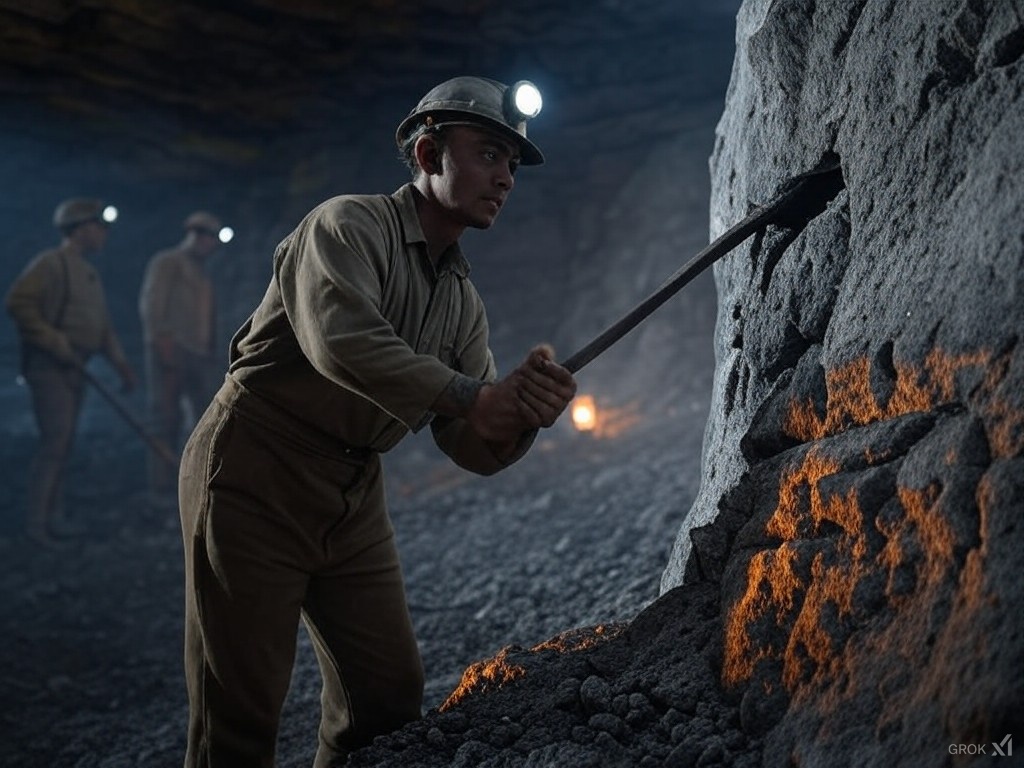
The extraction of metals from the earth marked only the beginning of a far more insidious journey. Humans first encountered metallic toxicity accidentally—through lead water pipes in 3rd-4th century BC Mesopotamia and mining operations. As medical understanding evolved, metals were deliberately ingested for purported therapeutic benefits. Though their dangers became increasingly apparent, the primitive medical knowledge of the time drastically underestimated the potential for harm.
The late 1700s heralded the true dawn of “metallic medicine,” a revival of archaic treatment philosophies that spawned mercury and arsenic-laden pills, tonics, and powders. The subsequent century would become a dark chapter in medical history, with treatments routinely proving more lethal than the conditions they sought to cure.
Initially, metal toxicity remained relatively contained due to oral administration. Ingested metals were largely intercepted by the intestines and expelled, albeit at a devastating cost to teeth and bowel function. The goal was brutal yet seemingly straightforward: purge the body of perceived ailments through violent intestinal cleansing.
When initial treatments proved ineffective, physicians would escalate dosages until “salivation was achieved”—a horrific benchmark of medical intervention. Inevitably, sufficient metal would penetrate the body’s defenses, unleashing a cascade of potential maladies. Small wonder the 1800s are remembered more for asylums and fainting rooms than medical breakthroughs.
The late 1800s marked a catastrophic acceleration of metallic toxicity with the introduction of syringes, originally popularized through morphine injections. These implements created a direct pathway into the body, bypassing the intestines’ protective barriers. Vulnerable organs now lay exposed, and even the kidneys—those miraculous filters—struggled to expel even minuscule amounts of injected metals.
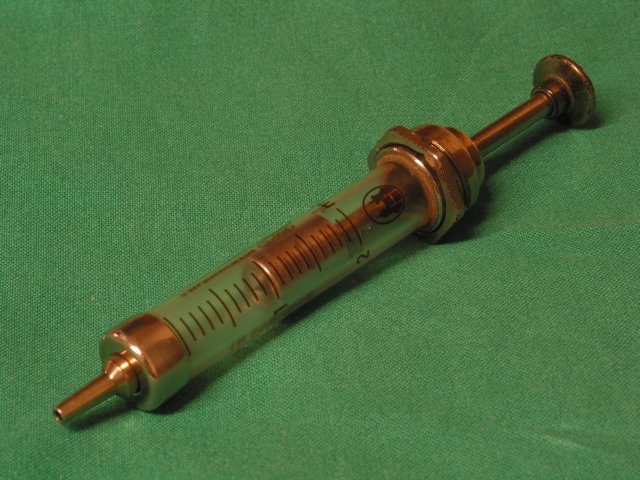
An antique glass and metal syringe
Throughout human history, the immune system had been perfectly adapted to combat organic threats. White blood cells could effortlessly encapsulate and neutralize any microbial invader. Metals, however, presented an entirely unprecedented challenge—an adversary for which the body possessed no natural defense mechanism.
Unlike organic pathogens, metals resist cellular destruction. Once introduced, these toxins persist within the body, potentially remaining for years or even decades before being transformed or expelled—a timeframe exponentially longer than the body’s typical infectious response.
Perhaps most insidious was the “Vicious Circle” recognized two centuries ago: metals fundamentally hijack the immune system. Each immune response intended to heal actually generates more damage, which then triggers another response, creating an endless cycle of escalating injury. This perverse mechanism explains how minuscule metal quantities can generate devastating, systemic consequences.
The metallic era now trends toward another century of profound human suffering. Over 100 autoimmune disorders—many nonexistent until recently—have emerged. New neurological illnesses affecting both children and the elderly have arisen, rendering historical scourges like smallpox and polio almost merciful by comparison.
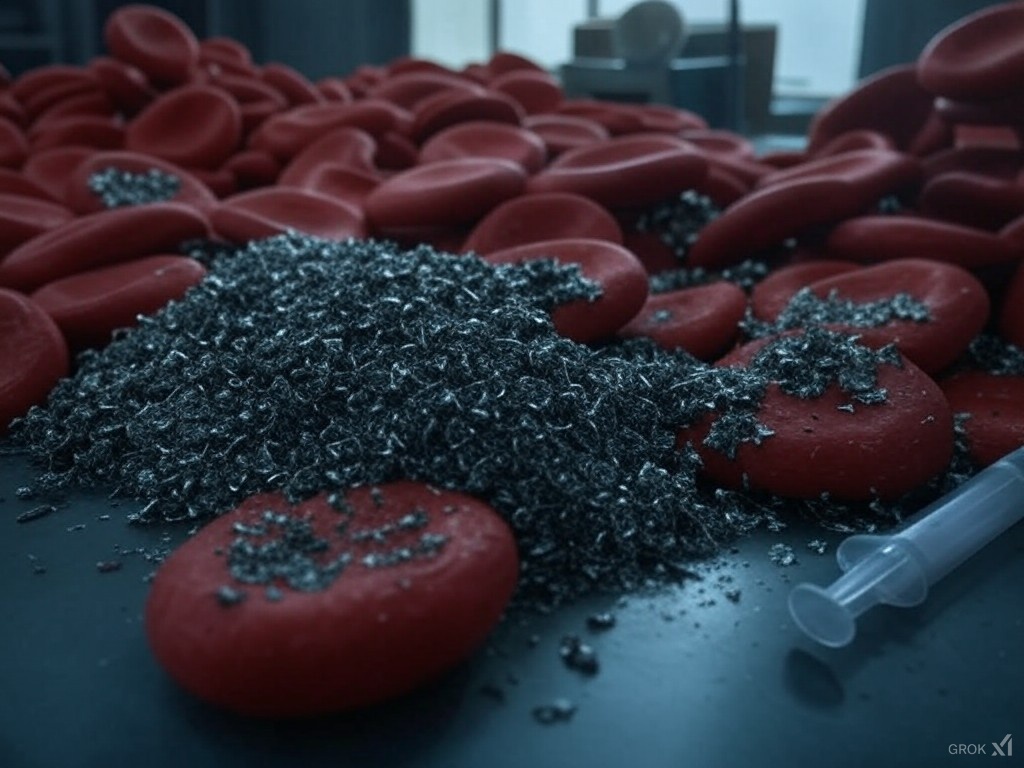
The suffering inflicted upon humanity through metals—ingested, inhaled, and injected—may well be remembered as one of the most brutal chapters in modern history. The fact that these toxic substances were administered against parental wishes and by public health officials, often through legislative mandates, only deepens the profound heartache.
But a thorough understanding of what may be causing our afflictions should bring more hope than sadness. The guilt that may come with the realization that what we’re experiencing is partly our own doing will be difficult. However, the likelihood we will be the generation to end this scourge upon our species should cast more light than a thousand suns upon our despair.
With this optimism, I invite you to explore the Quackery series and confront the mistakes of our past. By understanding the nature of man-made disease, healing becomes not just possible, but inevitable. May those who have suffered and died during this terrible period not have done so in vain.
Upcoming exploration of Periodic Table substances:
-
Mercury
-
Antimony
-
Arsenic
-
Gold
-
Radium and Radon
-
Petroleum-derived Opiates
-
Aluminum
Bonus Sections:
-
Human and foetal-derived substances in medicine
-
Animal-derived substances in medicine
Detailed posts on each substance are coming up!

Thanks for reading Harsh’s Substack! Subscribe for free to receive new posts and support my work.
Originally published on Substack — view source