February 9, 2025
Quackery III: Dying to be Healthy
How modern medicine's love affair with metals poisoned generations, and continues to do so.
Modern medicine, despite centuries of advancement, remains fundamentally similar to the practices of Hippocrates—the ancient physician whose famous oath to “do no harm” still binds newly qualified doctors today. While this principle serves as a noble foundation for healthcare, the continued use of harmful substances in medical treatment creates an inherent contradiction, preventing physicians from truly honoring this pledge.
It’s common to hear alternative practitioners, nutritionists, and natural medicine advocates reference Hippocrates and other pioneering medical figures. Ironically, modern medicine hasn’t abandoned the core tenets of what we now label “alternative medicine,” but rather preserved them through three fundamental beliefs:
Thanks for reading Harsh’s Substack! Subscribe for free to receive new posts and support my work.
1. You are broken, an external product called ‘medicine’ will ‘fix you’.
2. Poison is medicine/the dose makes the poison.
3. External entity is the source/cause of disease.
Although perceived to conflict with ancient forms of traditional medicine, which, ironically is called ‘alternative medicine’, modern medicine has incorporated some of their methods. The pharma industry manufactures several drugs using synthetic derivatives of the ‘active ingredients’ in medicinal plants traditionally used by ‘alternative’ medicine:
1. Aspirin: Derived from white willow bark (Salix alba).
2. Digitalis: Derived from foxglove (Digitalis purpurea).
3. Quinine: Derived from cinchona bark (Cinchona spp.).
4. Morphine: Derived from opium poppy (Papaver somniferum).
5. Digoxin: Derived from foxglove (Digitalis purpurea).
6. Atropine: Derived from belladonna (Atropa belladonna).
7. Ibuprofen: Derived from wintergreen (Gaultheria procumbens).
8. Paclitaxel (Taxol): Derived from Pacific yew tree (Taxus brevifolia).
9. Codeine: Derived from opium poppy (Papaver somniferum).
10. Ephedrine: Derived from ma huang (Ephedra sinica)
In some instances, the substances used as ingredients are extracted from poisonous plants. Catharanthus roseus, for example, also known as rosy periwinkle, is toxic if eaten, but has been used by both Ayurveda and TCM for the treatment of certain conditions. Another example is tobacco used by practitioners of Ayurveda to relieve a patient of constipation. Pharmaceutical drugs derived from the rosy periwinkle are used in modern medicine to treat certain cancers.
Modern medicine has also retained ‘snake venom is medicine’ — synthetic snake venom is an active ingredient in many blood pressure ‘medicines’. Synthetic Bungaro toxin was used as one of the ingredients in the COVID-19 vaccines, which is presumably where the signature loss of smell and taste symptom came from. I’ve covered therapeutic tobacco in detail here:
[
Harsh Truths
The Therapeutic purposes of Tobacco
Native American poem about tobacco…
Read more
3 years ago · Harsh Truths
**Misconception #1.
The human body is a machinistic biochemical machine.
**The false perception of the human body as essentially a ‘machine’ of separate parts, chemical in nature; a malfunction in one part can be ‘fixed’ by altering the chemical nature of that part or by cutting it out via surgery.
This error has been compounded by the equally erroneous idea that ‘diseases’ are the result of an ‘attack’ on the body, primarily, but not exclusively, by ‘germs’.
‘Scientists’ in the field of ‘medicine’ regard the living human body as if it were inert and passive; they deny its significant role in the production of illness or the restoration of health. To add insult to injury, the medical establishment maintains the stance that it is only their healthcare system, which operates based on scientifically sound and rational ideas, that is capable of correctly and quickly addressing matters about health. Anyone who strays from protocol is labeled a ‘quack’.
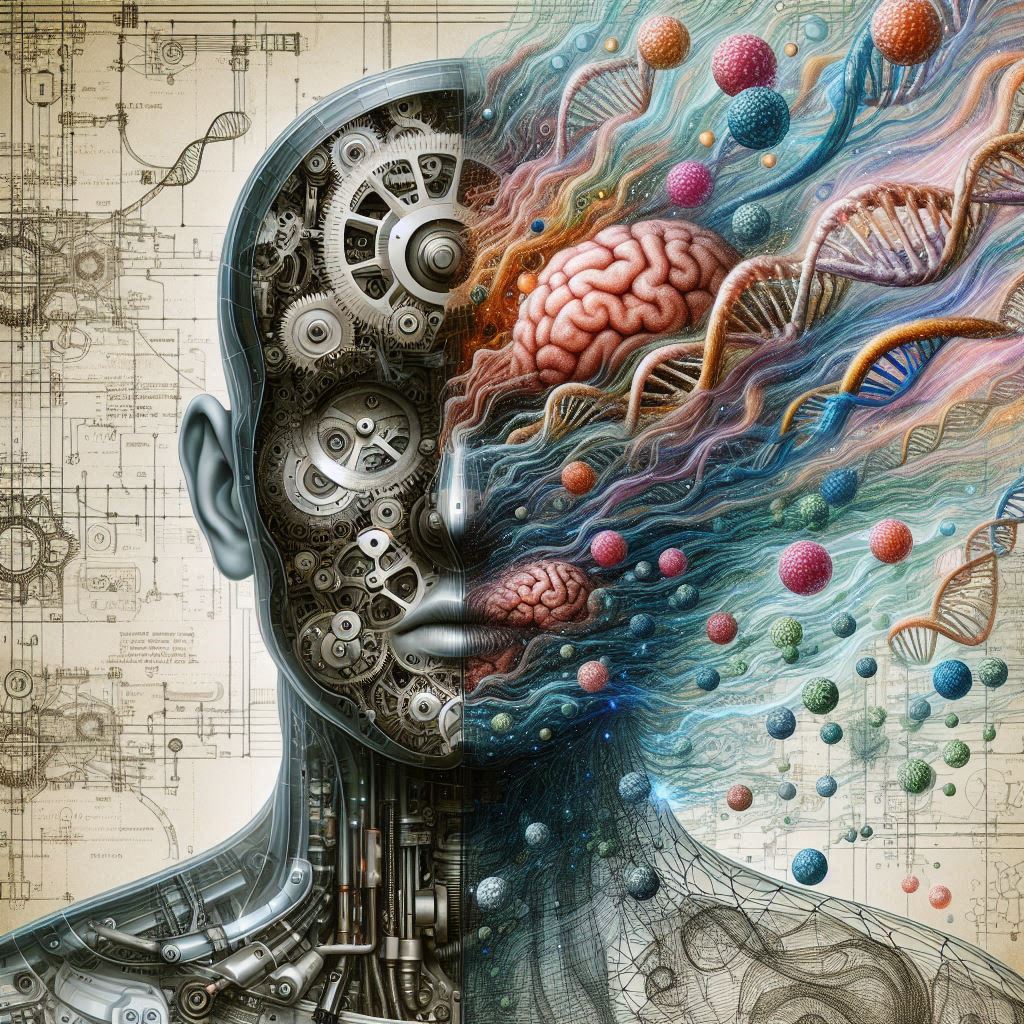
The key distinction between ancient healing traditions and modern medicine lies in their approach: traditional systems typically treat the whole person rather than isolated symptoms. While these ancient practices offer valuable insights—particularly in recognizing the body as a bioelectric system—they aren’t without flaws, sometimes employing questionable methods like animal parts and plant toxins in their remedies.
Hippocrates, called the ‘father of modern medicine,’ practiced medicine roughly 2,500 years ago. His legacy represents a fascinating mix of wisdom and peculiarity. His most enduring insight remains remarkably relevant today:
“Let your food be your medicine and your medicine be your food.”
However, Hippocrates also promoted some questionable theories, most notably the concept of ‘four humours’—blood, phlegm, black bile, and yellow bile. He believed illness stemmed from imbalances in these bodily fluids and prescribed treatments like purging and bloodletting to restore equilibrium. Neither practice effectively restored health, yet both persisted in modern medicine until relatively recently.
A tragic historical example illustrates the dangers of these practices: George Washington, the first U.S. President, died in December 1799 at just 67 years old after doctors treated his cold with extensive bloodletting, removing more than half his blood volume using leeches. Despite its use for over two millennia and endorsement by prominent physicians, bloodletting never had scientific evidence supporting its effectiveness. Modern medicine still employs leeches, but for a completely different purpose—promoting blood flow and preventing clots rather than drawing large quantities of blood.
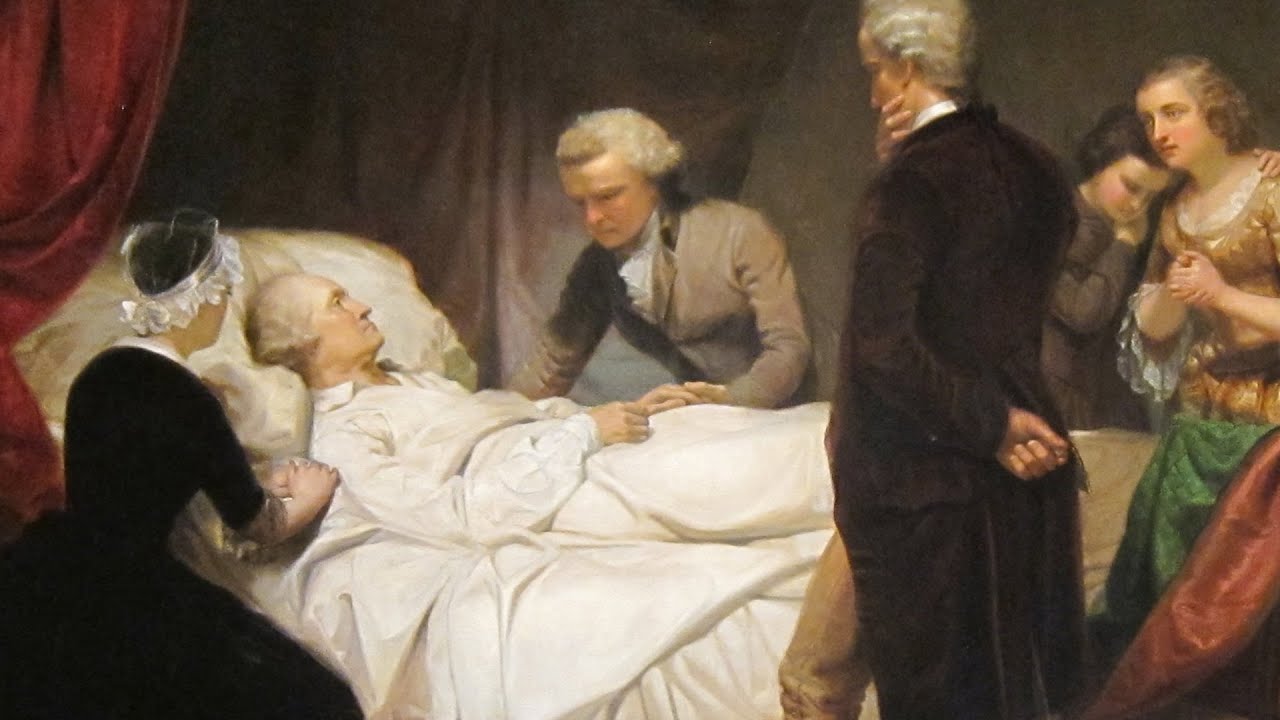
Medical Malpractice and the Mysterious Death of George Washington
**Misconception #2. Poison is Medicine
**Western medicine remained largely unchanged until the Medical Renaissance began in the early 15th century. A pivotal figure emerged in the 16th century: Swiss physician Aureolus Theophrastus Bombastus von Hohenheim, better known as Paracelsus, whose medical theories are still revered by the medical establishment today.
However, Paracelsus’s most celebrated theories may have hindered healthcare progress rather than advanced it. His emphasis on *fighting disease*—a practice that remains central to modern medicine—reflects a fundamental misunderstanding: combating disease is not equivalent to restoring health.
Paracelsus viewed the human body as a chemical system that becomes ‘imbalanced’ during illness, echoing Hippocrates’s earlier ideas. While this concept holds some truth, its application proved catastrophic due to the substances chosen to correct these imbalances. For instance, Paracelsus recommended mercury to treat syphilis, though he wasn’t the first to do so. That distinction belongs to Giorgio Sommariva, who used cinnabar in the late 1490s. Paracelsus’s contribution was developing a mercury-based salve.
Perhaps Paracelsus’s most enduring—and problematic—legacy is captured in his famous principle about dosage and poison, translated as:
“All things are poison and nothing is without poison; it is only the dose that makes a thing not a poison.”
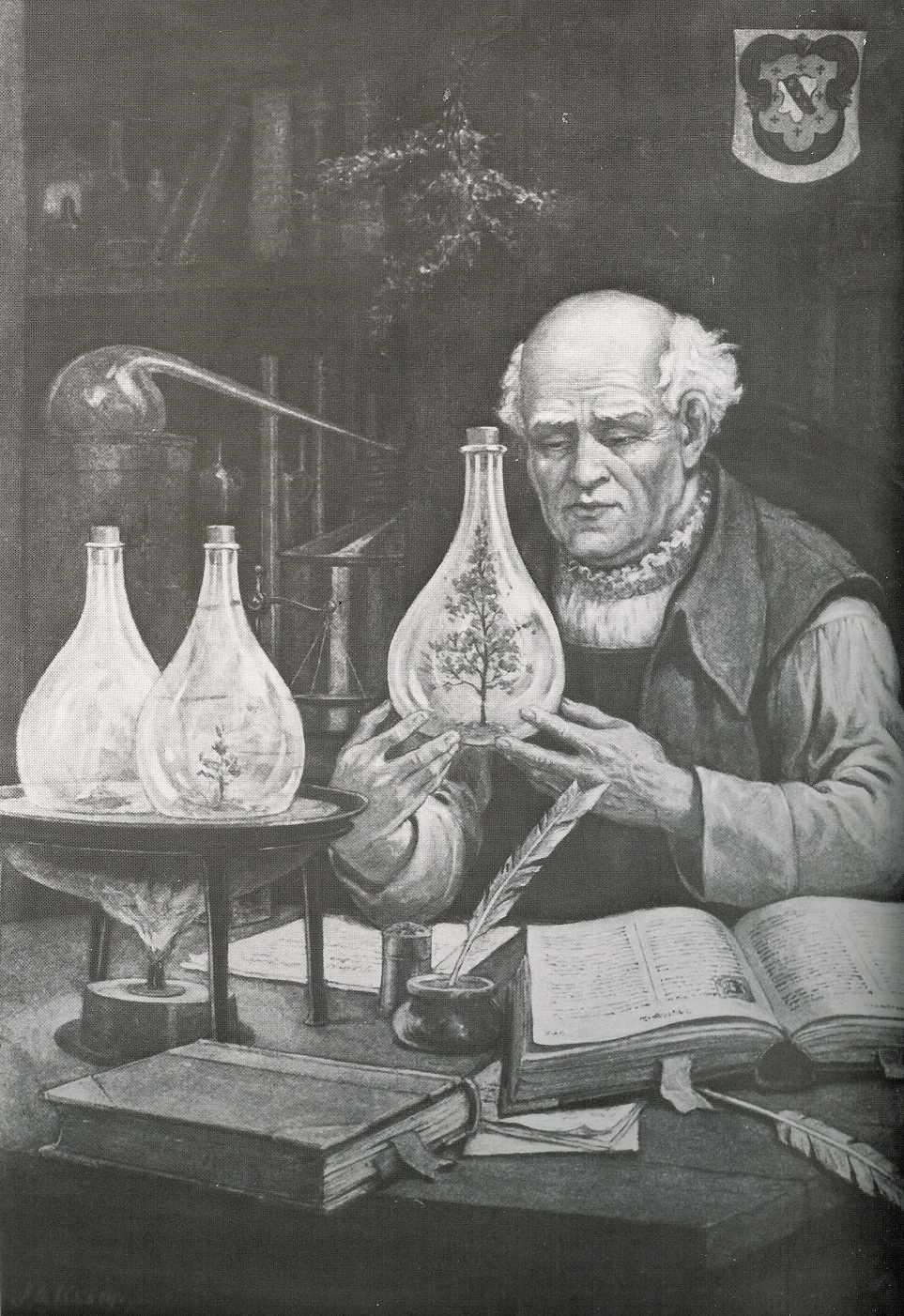
Again, nothing could be further from the truth; all things are not poison.We can all agree that too much of something is poison — doing anything excessively is detrimental to the body; drinking too much water can kill you, and so can overeating and over-exerting. But saying ‘all things are poison’ is a bit of a stretch.
The concept of ‘poison is medicine’ has some nuances, as illustrated by homeopathy’s use of plant toxins and snake venom. Through homeopathy’s potentisation process, the final remedy retains no physical trace of the original toxic substance—only its energetic imprint remains. Most people are unaware that homeopathic remedies contain quantities so infinitesimally small they’re smaller than atoms themselves, a concept that challenges atomic physicists who have never found particles smaller than atoms or their components.
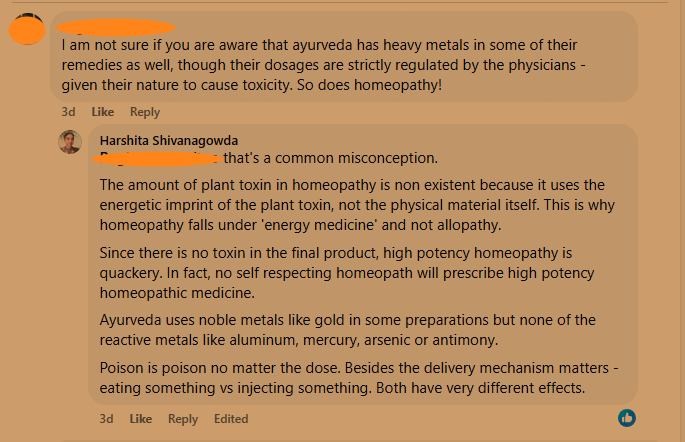
I got this comment on my facebook post.
The medical establishment’s claim that dosage determines whether a substance is therapeutic or harmful is fundamentally flawed. A substance’s inherent nature doesn’t change based on quantity—rather, its effects vary based on the delivery method (ingestion, skin contact, or injection).
https://www.threads.net/@harsh_truths3321/post/DEIO9CPSfMG
During the 16th century, European physicians continued following Hippocrates’s teachings, which formed the foundation of medical education in England’s two premier institutions:
-
The Royal College of Surgeons (founded 1505) and
-
The Royal College of Physicians (founded 1518).
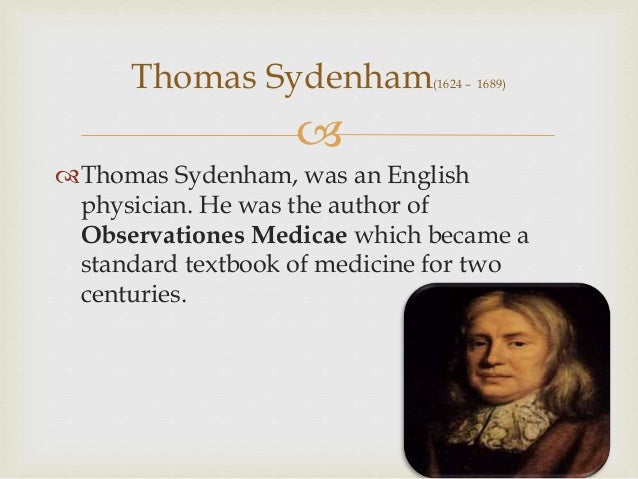
Dr. Thomas Sydenham MD, the ‘English Hippocrates’ of the 17th century, exemplifies this mixed legacy of helpful and harmful ideas. His endorsement of mercury for treating syphilis demonstrates Paracelsus’s enduring influence—even 484 years after his death.
The 16th and 17th centuries marked science’s golden age, particularly in Europe. Organizations like the Royal Society (founded 1660) emerged as repositories for scientific writings and discoveries. This period saw significant technological advances, including improvements to the light microscope, enabling more sophisticated laboratory experiments and scientific validation methods.
During this ‘Scientific Revolution,’ researchers discovered new chemical elements and compounds, expanding medical experimentation. The prevailing view of the human body as a chemical system requiring ‘balance’ encouraged chemical interventions—a practice that dominates medical science even in the early 21st century.
This era, encompassing both the ‘Medical Renaissance’ and ‘Scientific Revolution,’ fostered elitism within medicine. Medical organizations and physicians (predominantly male, as women rarely entered medicine before the 19th century) promoted their approach as the only legitimate healthcare system, claiming exclusive grounding in scientific evidence.
While often cited as medical science’s birth, this period actually marked the beginning of medical dogma. The establishment claims science-based medicine triumphed over ‘quackery,’ despite relying on toxic substances for treatment. Notably, mercury-based syphilis treatments continued into the early 20th century without evidence of effectiveness, while abundant documentation exists of mercury’s harmful—often fatal—effects.
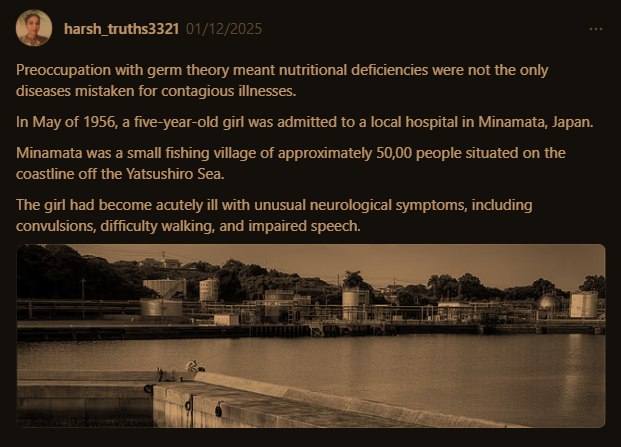
The story of how mercury poisoning was mistaken for an infectious disease.
Medical elitism wasn’t unique to Europe. In Death by Modern Medicine, Dr. Carolyn Dean MD ND notes that in Canada, “Allopathic doctors began amassing power as early as 1759. At that time, legislation was drafted to protect an ‘unsuspecting public’ against quacks or ‘snake oil salesmen’.”
Yet this orthodox (allopathic) system employed unproven practices. Herbert Shelton describes these 19th-century treatments in Natural Hygiene:
“…patients were bled, blistered, purged, puked, narcotized, mercurialized and alcoholized into chronic invalidism or into the grave.”
These treatments, dating back to Hippocrates or earlier, often proved fatal.
As Shelton notes,
“It was well known to the physicians of the period that their drugs were damaging.”
The continued use of harmful substances despite this knowledge reveals a fundamental flaw in “scientific” medicine’s belief that poisons could be therapeutic.
It’s a system that failed :
-
To provide healthcare and
-
To protect patients from harm.
During the 19th century, proponents of scientific medicine strengthened their dominance by formalizing training procedures and establishing that only their graduates would be considered “real” doctors—all others were branded “quacks.” This formalization led to institutions like the British Medical Association (BMA), founded in 1832, to provide
”…a ‘friendly and scientific’ forum where doctors could advance and exchange medical knowledge.”
The BMA’s early campaign against “quackery” continues to influence modern medicine’s dismissal of alternative healing methods. Ironically, this same system that denounced quackery employed treatments known to cause invalidism or death.
Many assume today’s 21st-century medical system stands on firmer scientific ground than its predecessors. However, modern medicine evolved from various customs and traditions, none scientifically proven to effectively restore health. Current medical science, primarily conducted in pharmaceutical laboratories, fails to provide conclusive proof of modern medicines’ safety or effectiveness. Instead, mounting evidence suggests pharmaceutical medicines are both ineffective and potentially lethal.
We’ll cover misconception #3 ‘External entity is the cause of disease’ in another post.
Sources:
https://whatreallymakesyouill.com/

https://x.com/harshtruths3321/status/1887739345144029584
Thanks for reading Harsh’s Substack! Subscribe for free to receive new posts and support my work.
Originally published on Substack — view source