September 13, 2024
Rabies: The Virus of Fear
Everything you need to know about Rabies But were not told. (Part 1)
Ah, Rabies - humanity’s longest-running horror show!
Since the dawn of civilization, we’ve been losing our minds over what’s essentially a version of a zombie virus. You know, that thing that supposedly turns perfectly normal humans into wild-eyed, foaming-at-the-mouth creatures who forget how to use utensils. Talk about a dramatic identity crisis!
But here’s the real kicker - this whole “human-to-beast transformation” story might just be the world’s longest-running game of Chinese Whisper.
Were we all just collectively pranked by propaganda?
Let’s dive into this rabbit hole (or should I say, rabid hole? 😏).
Imagine you’re walking home late at night, and you spot a gang of dogs having their midnight garbage buffet? Suddenly, they look up with those eyes that scream “We’re not just here for the leftovers, buddy!”
Yeah, THAT fear.
Or how about that time you tried to be Snow White, feeding nuts to a squirrel, only to have the ungrateful rodent mistake your finger for a premium acorn? Next thing you know, you’re sprinting to the ER faster than an Olympic athlete, only to have some amused doctor tell you, “Squirrels don’t carry rabies, you silly human.”
And don’t get me started on the squirrel! Ask one expert, they’ll tell you squirrels are rabies-free angels. Ask another, and suddenly that cute little nut-hoarder is Patient Zero for the apocalypse. Speaking from personal experience (yes, I’m basically the Dr. Dolittle of getting bitten), I’ve had more animal teeth encounters than a veterinary dentist. And yet this common sense did not prevail; the fear of ‘rabies’ led to the extermination of the innocent Peanut the Squirrel.
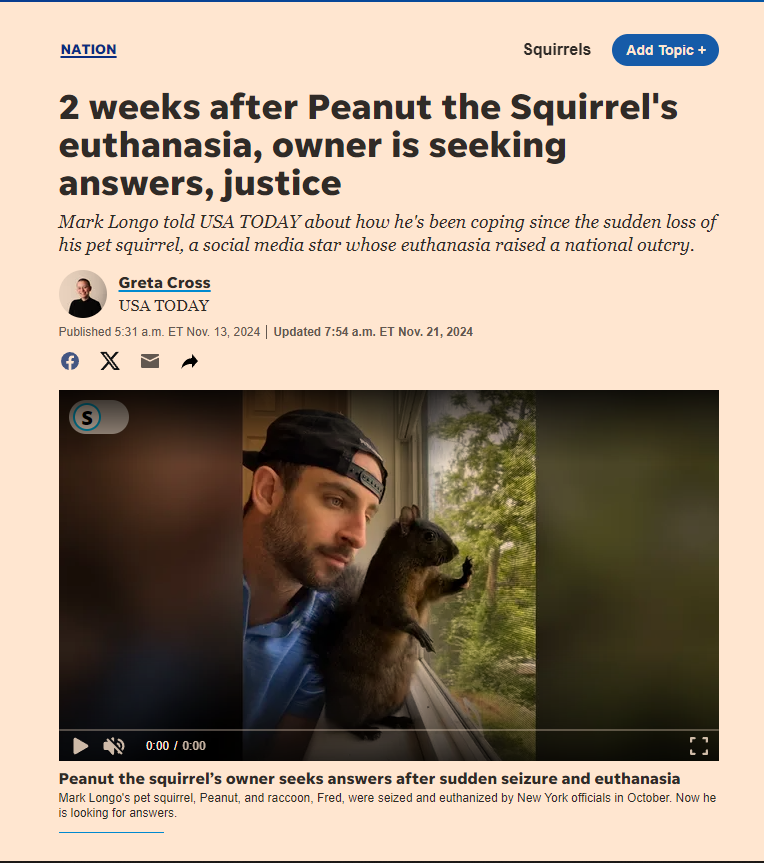
And yes, that special moment when you’re trying to feed an adorable baby animal and - CHOMP! - they go right for that thin web between your thumb and index finger. You know, that spot that feels like it was specifically designed by evolution to make paper cuts and puppy bites feel like medieval torture?
There I was, after each bite from a baby animal, desperately watching the clock like some reverse Cinderella, convinced that if I didn’t get treatment before midnight, I’d transform into a barking dog-woman. Move over, Teen Wolf - this was going to be a whole new kind of transformation story!
Spoiler alert: I didn’t turn into a dog-woman.
And let’s not forget the classic bat encounter! While I can’t personally brag about getting scratched by one in some spooky cave, I did chase a bat out of my bedroom, armed with an old raggedy T-shirt. Not my proudest moment, but hey, at least it makes for a good story!
Thanks for reading Harsh’s Substack! Subscribe for free to receive new posts and support my work.
Plot twist: Turns out all my panic attacks were about as rational as believing chocolate milk comes from brown cows. The whole rabies narrative? It’s basically the original fake news, built on a foundation of propaganda so shaky it makes reality TV look authentic!
Rabies seems to be one of the diseases that those who cling to the mainstream narrative love to bring up as if it is the Holy Grail of proof that vaccines are effective in eradicating it. Over the decades, images of the mangy, frothing dog snarling and ready to attack have been deeply ingrained into our subconscious through effective media fear-based propaganda. Ask anybody who has completed middle school, and they’ll parrot all the horrors of rabies.
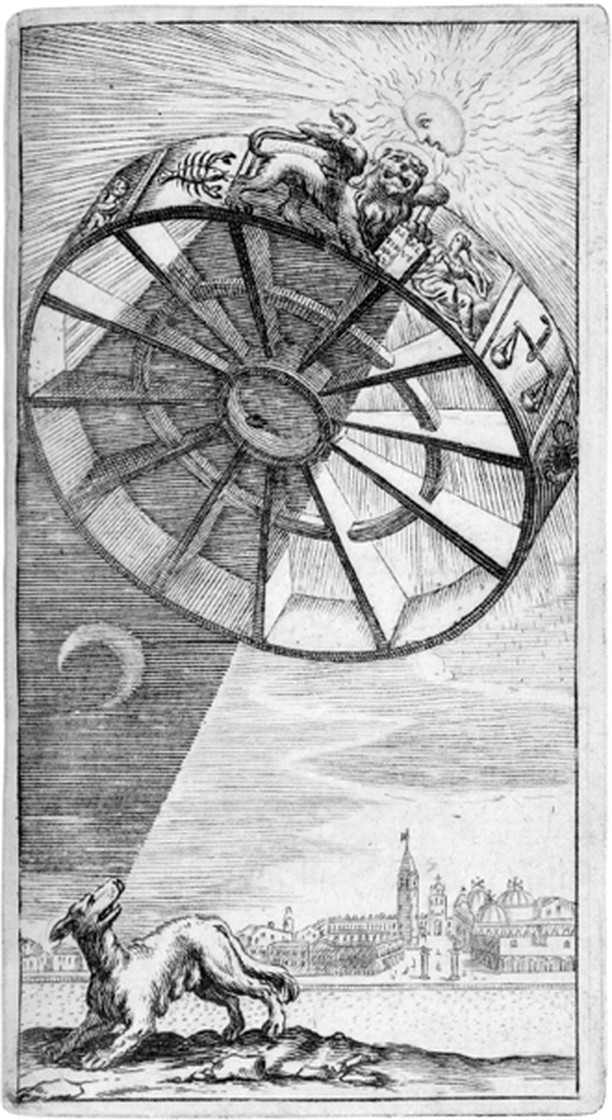
Frontispiece of a book about a plague in Venice, 1657.
Like the vampire, rabies carries the musty whiff of a centuries-old horror even as it still terrifies us today. Lately, TV comedians have taken to seizing on it for a laugh: two animated series created by Mike Judge, King of the Hill and Beavis and Butt-Head, have done episodes on rabies, as did the long-running medical comedy Scrubs. In the U.S. version of The Office, Michael Scott (the bumbling boss played by Steve Carell) tries to paper over the fact that he has hit an employee with his car by organizing a charity “race for the cure.” The disease he chooses is rabies. He soon becomes perplexed at how few donations are forthcoming:
Michael Scott: I was also hoping to hand the giant check to a rabies doctor. How’s that going?
Pam Beesly: Not well. A doctor won’t come out to collect a check for seven hundred dollars. Or five hundred dollars if we go with the giant check. And also, there is no such thing as a rabies doctor.
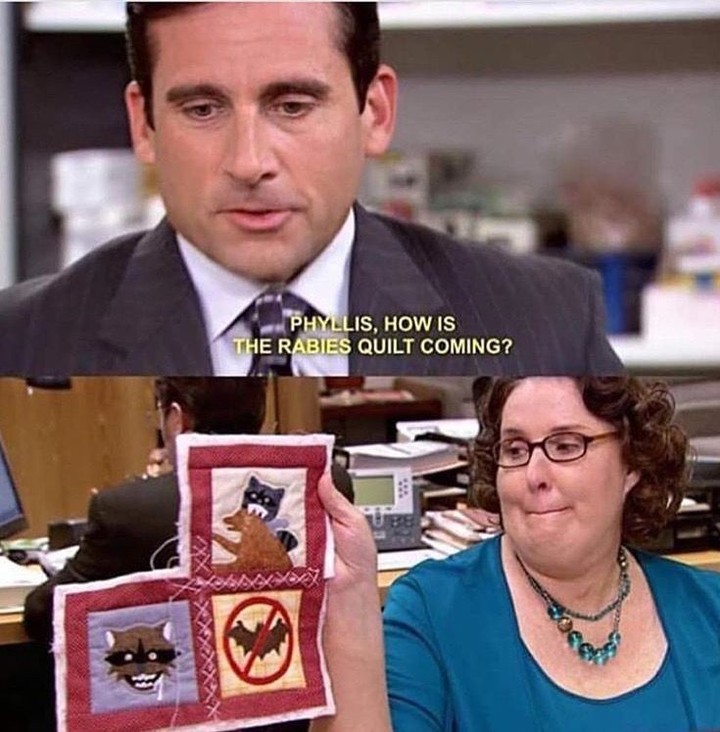
You’ll see that most of this is propaganda. Nothing scares man or is as taboo as man himself turning into a beast, and this fear has been used as a crook and flail to herd the masses for too long.
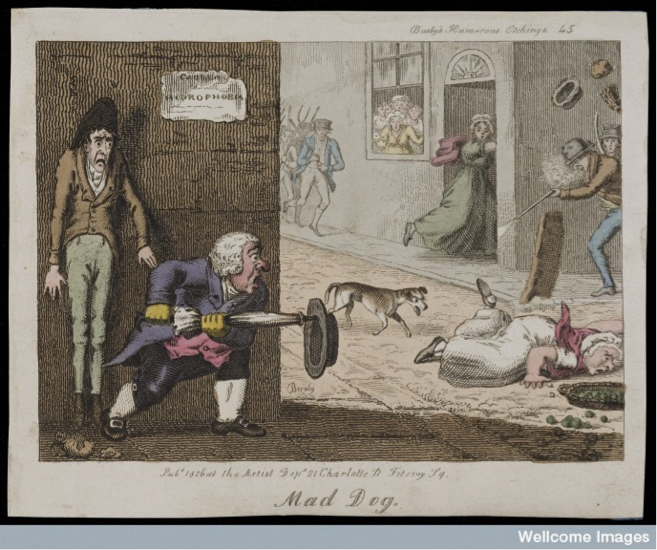
An illustration of a mad dog on the run in a London street shows citizens attacking it as it approaches a woman who has fallen over (Coloured etching by T.L. Busby, 1826, Wellcome Library, London).
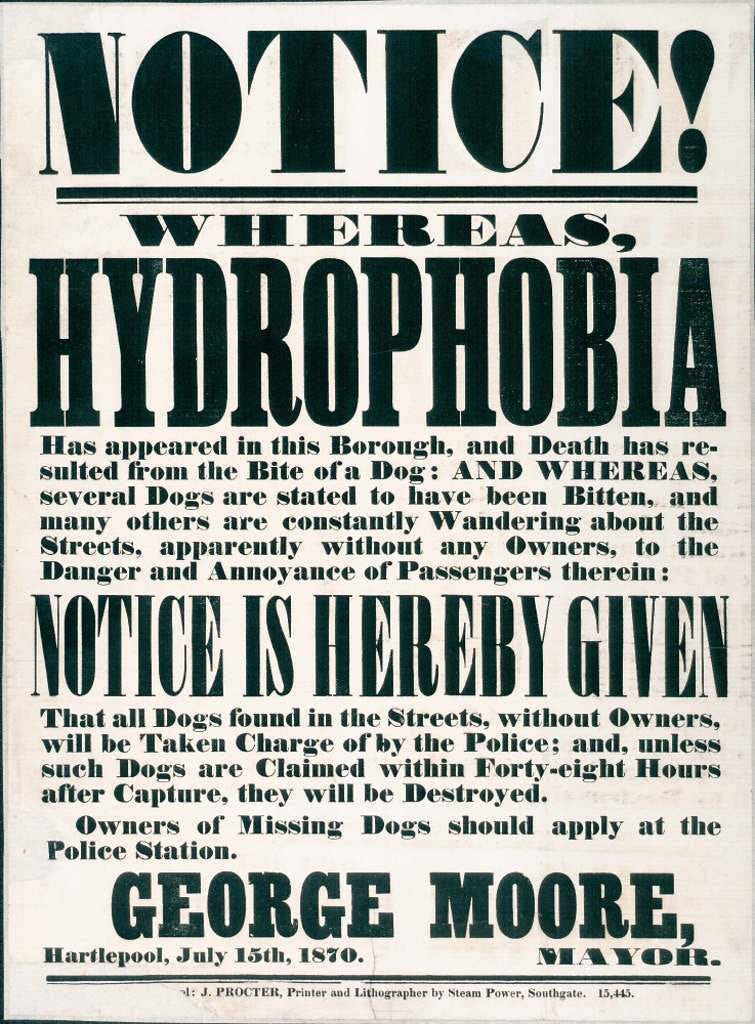
The 1870s fear propaganda is evident in posters such as this.
In the famous scene from the film “To Kill A Mockingbird”, where Atticus Finch takes aim to put down a rabid dog in 1962’s film adaptation.

Atticus Finch taking aim to put down a rabid dog in 1962’s To Kill A Mockingbird.
A generation of children learned to scrutinize their pet pooches for the slightest signs of madness thanks to the lamentable influence of “Old Yeller” (1957), a Walt Disney film about a frontier-era boy who falls in love with a yellow dog that becomes rabid.

Twenty-four years later, a novel called “Cujo” (and its subsequent film adaptation) taught a whole new generation to fear rabies. Stephen King’s “Cujo” struck fear into the impressionable minds of viewers in the early 1980s.

Stephen King’s Cujo – striking fear into the impressionable minds of viewers in the early 1980’s.
Late one moonlit night, three fictional revelers on an English moor were transfixed by a horrific sight: “a foul thing, a great, black beast, shaped like a hound, yet larger than any hound that ever mortal eye has rested upon. And even as they looked the thing tore the throat out of Hugo Baskerville, on which, as it turned its eyes and dripping jaws upon them, the three shrieked with fear and rode for dear life.” Historians of medicine have traced the terror that the The Hound of the Baskervilles evoked in Arthur Conan Doyle’s fans to the profound impact of rabies on contemporary consciousness.
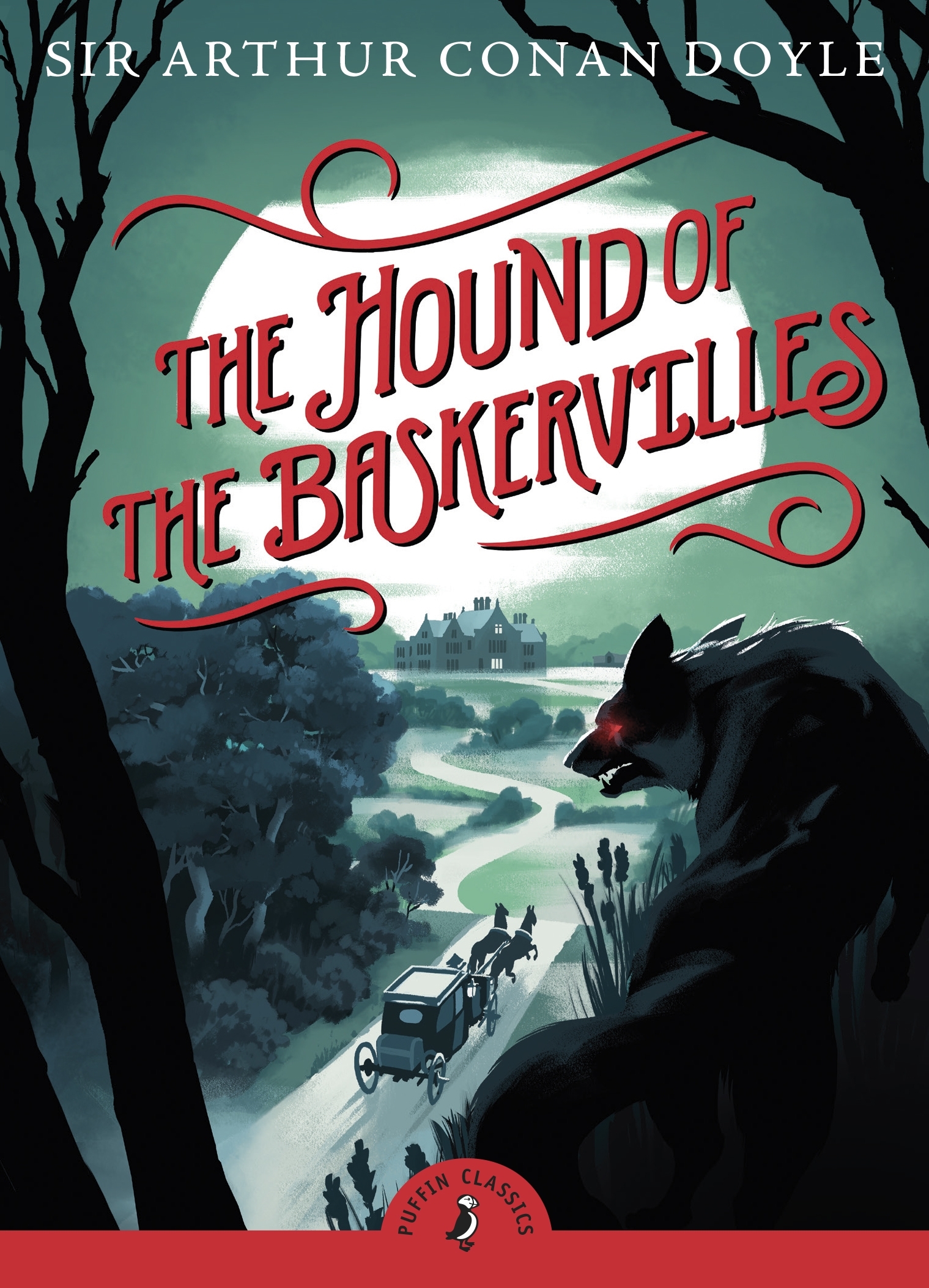
Another classic in which a drooling dog is the villain for human actions.
In an episode of Seinfeld, a character’s symptoms are psychosomatic: as she reads about the disease symptoms, she starts to exhibit them. And of course, they had to show that the only way to rest the anxiety about rabies in the viewers’ minds was to make sure she took a rabies shot at the end of the show.
Dr. House also reinforced the idea that if not dogs, bats can still spread rabies. However, there is only one species of bat that has a good reason to bite humans - the vampire bat. The huge bats seen flying in city skylines in India at night are fruit bats, which eat fruit and insects. Only two species of carnivorous bats exist, which are small and rarely found in cities. These bats’ diet includes other bats, small birds, reptiles, fish, and large insects, rarely humans.
The portrayal of angry diseased animals heightened people’s fear of anything wild and undomesticated, creating in their minds the living walking embodiment of an invisible threat coming to infect the defenseless with a slobbery bite. The fear has magnified so much that one lady told me she was scared of contracting rabies after her neighbor’s pet dog affectionately licked her arm!
The same fear of acquiring the deadly disease was the perfect tool used by Louis Pasteur in the late 1800s to ensnare people into the emerging germ theory narrative. This cemented the narrative that all it takes is one bite for the sneaky virus to find its way into the bloodstream, attack the brain, and cause a painful death. It seems upon first glance to be an open and shut case. However, what you will find upon researching rabies is that the presented model of the rabid animal bite transferring an infectious virus which in turn causes disease is not an accurate portrayal whatsoever and was merely a frightening myth used to propagate the delusions of a madman who refused to admit he was wrong and was looking to acquire fame, fortune, and prestige.
The thing is cases of genuine rabies are rare. The only way to test if any animal has rabies is to test a sample of its brain and even this test(as you will see) is not 100% conclusive.
But wait, it gets better! Those classic rabies symptoms everyone’s scared of? Turns out they’re basically the medical equivalent of a criminal lineup where all the suspects look identical!
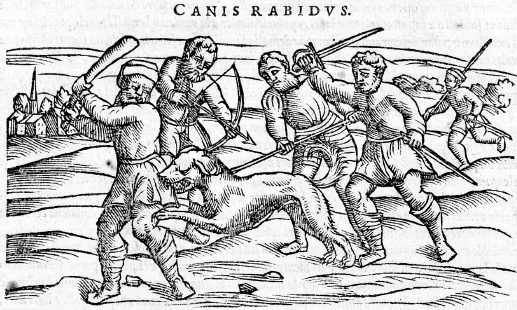
From a Spanish edition of Dioscorides’ De Materia Medica, 1566.
Frothing at the mouth? Could be rabies… OR cyanide poisoning, mercury poisoning, arsenic poisoning, or metal poisoning. Basically, if you were a Victorian villain with a poison collection, your victims would look suspiciously rabid!
And just to make diagnosis extra spicy, throw in any neurological disease and suddenly you’ve got yourself a medical mystery worthy of an episode on House.
It’s like trying to identify a specific snowflake in a blizzard while wearing mittens!
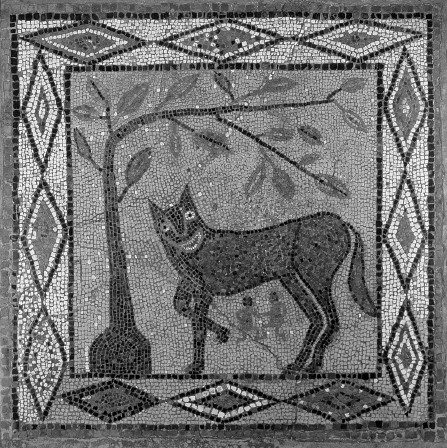
Roman-era mosaic from England, depicting a wolf with Romulus and Remus.
I’ll leave you with the quote from Gerald Geison, Pasteur Researcher:
“Rabies has always been rare in man. It probably never claimed more than a hundred victims in any year in France, and Fiench estimates for the years immediately preceding Pasteur’s famous work indicate an annual mortality of considerably less than fifty. In addition, rabies is not an infectious disease in the usual sense; it is not transmitted from man to man. Because of these two features, general or compulsory vaccination has never seemed appropriate with respect to rabies. The potential social benefit has never seemed sufficient to justify the sort of intrusion on individual rights represented by compulsory vaccination against smallpox, for example.”
We’ll cover more about Geison and Pasteur in the next article.
In the meantime, if you have ever been bitten by a animal here’s all you need to do: What to do if bit by a certified rabid dog or bat?
Additional reading: https://rotationalmonofeeding.com/wp-content/uploads/2021/11/RabiesDebunked.pdf
Thanks for reading Harsh’s Substack! Subscribe for free to receive new posts and support my work.
Originally published on Substack — view source