July 22, 2025
Sleep, Sandman, and What We Can Learn from It
Tom Montalk + Sandman = Some amazing realisations about the nature of dreams and our reality.
Neil Gaiman’s The Sandman—originally a fantasy comic series and more recently a Netflix adaptation—is far more than a dark fantasy tale. It is a mythopoetic tapestry woven with profound philosophical, psychological, and spiritual insight. Gaiman, an atheist, nevertheless draws deeply from myth, esoterica, folklore, and dream symbolism to create a universe where archetypes walk, speak, grieve, and evolve. Despite his secular orientation, the series pulses with themes that resonate with Eastern philosophy, Jungian psychology, Zen Buddhism, and ancient mystical traditions. This is what makes The Sandman more than just a story—it is a mirror into the nature of reality, the self, and the unseen dimensions of existence.
The Endless and the Nature of Reality
At the heart of The Sandman are the Endless—seven anthropomorphic personifications of universal forces: Dream, Death, Destiny, Desire, Despair, Delirium (formerly Delight), and Destruction. Though immortal, they are fallible, flawed, and human. Their actions and conflicts shape the cosmos, and yet their dilemmas echo the struggles of the individual psyche. Gaiman blurs the line between cosmic principle and human interiority. As Norman Mailer once described it, The Sandman is a “comic strip for intellectuals”—and rightly so.
Thanks for reading Harsh’s Substack! Subscribe for free to receive new posts and support my work.
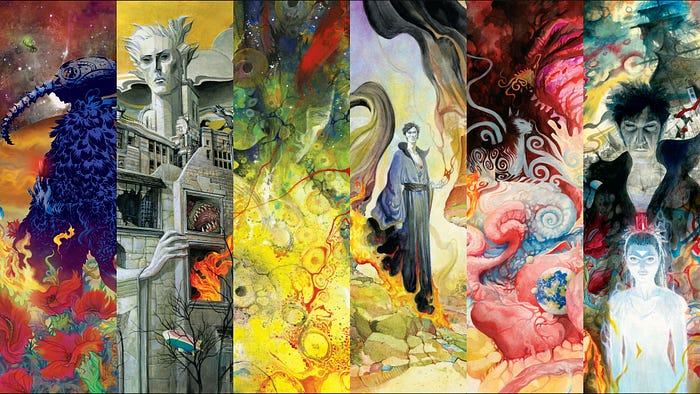
The existence of the Endless invites us to question the nature of reality itself. Just as Vedic philosophy speaks of Maya, the illusory nature of the physical world, Gaiman portrays the Dreaming as just as “real” as the waking world. In fact, the two are intertwined. What happens in dreams influences waking life and vice versa. This raises the deeper question: Is our waking reality itself just another dream, shaped by inner narratives and mental constructs?
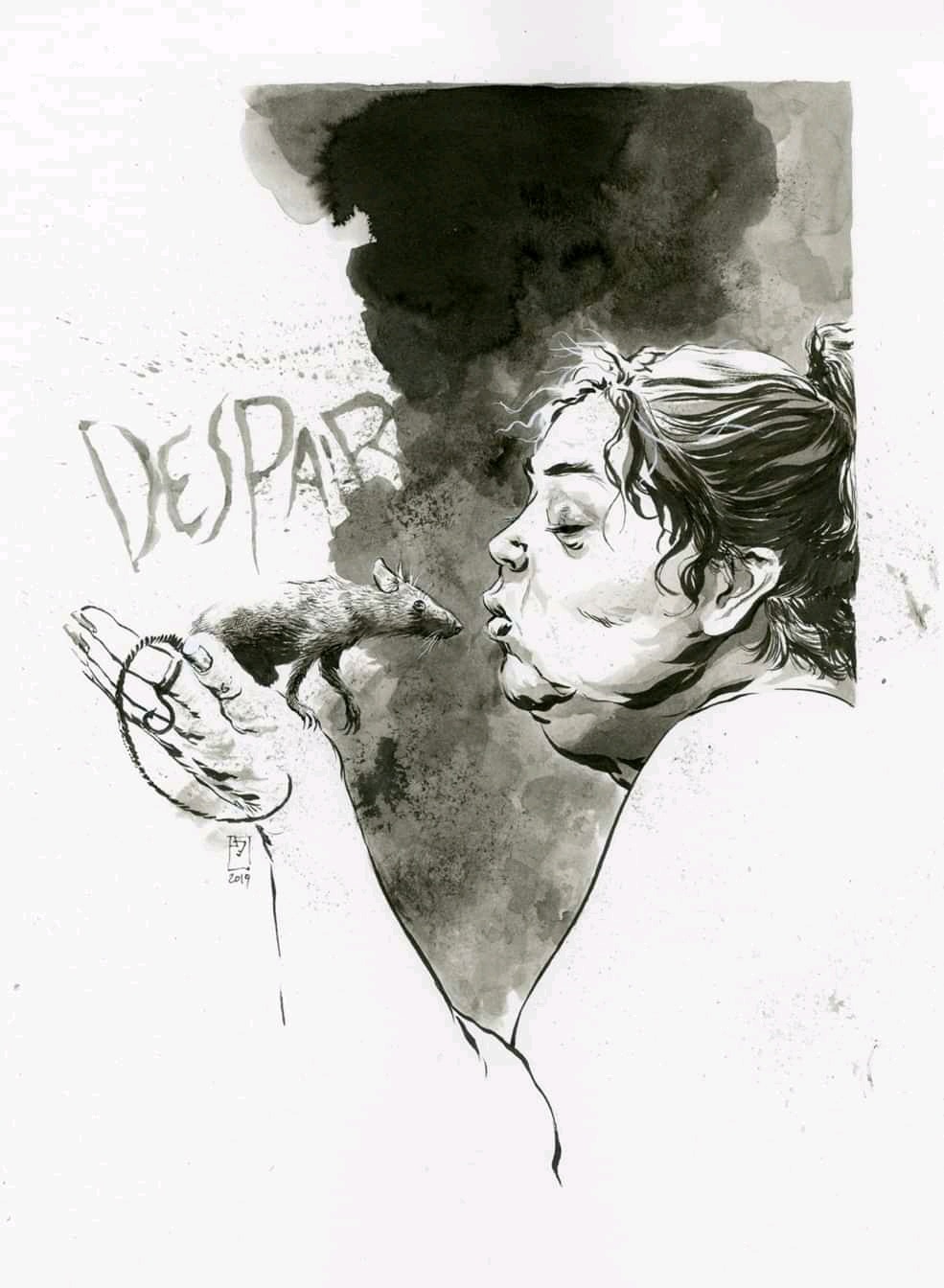
Despair is depicted as a morbidly obese woman.
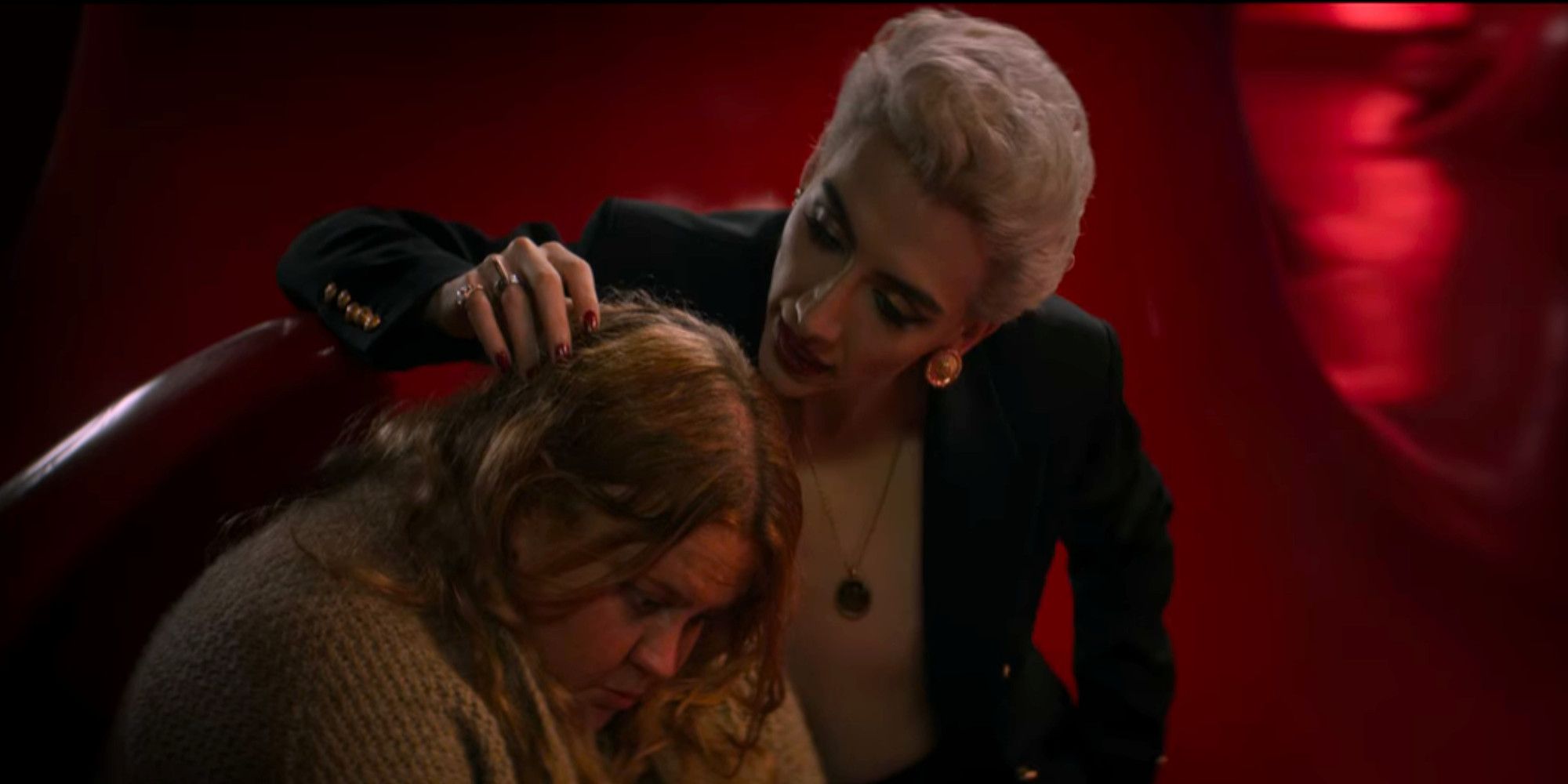
Desire and Despair plot against their brother Dream at the end of season 1.
Dream and the Power of Mind
Morpheus—also known as Dream, the Sandman, Oneiros, the Dream King—is not simply the ruler of nighttime visions. He is the embodiment of imagination, myth, creativity, and story. In many ways, he represents the mind’s faculty to construct meaning and project inner life onto outer experience. His realm is constantly shifting, like the subconscious itself.
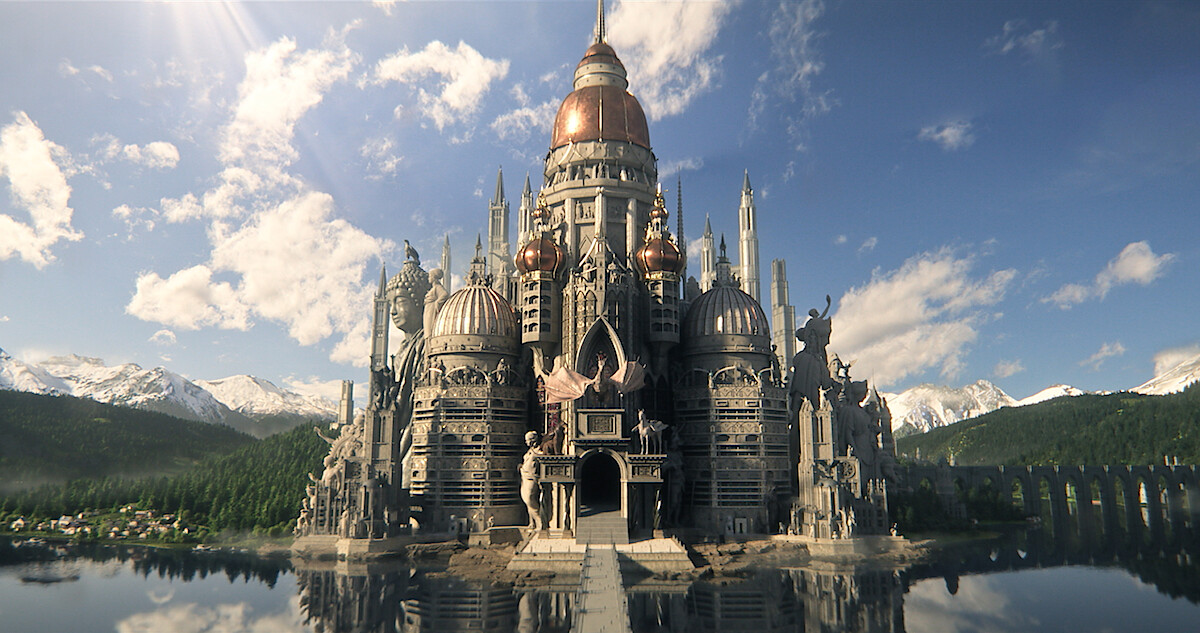
Dream’s ever-changing Kingdom
From a spiritual standpoint, The Sandman shows that understanding reality requires transcending mental boundaries and reconnecting with the oneness of existence. The so-called “Gateless Gate” of Zen Buddhism—the realization that there is no real boundary between magic and the mundane—is mirrored in the idea that Dream and waking life are not two. They are mutually arising and interdependent.
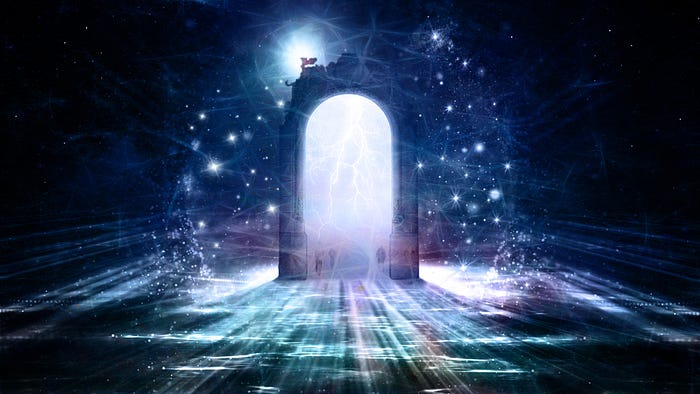
Gateless Gate is a reminder of the non-dualistic perspective of Zen Buddhism. To live an enlightened life, there is no necessity to go through some special gate separating the “mundane” world from the “magic” world. They are one and the same.
Dream and Death
Dream’s closest sibling is Death, portrayed in the series not as a grim reaper but as a gentle, life-affirming presence. This is poetically appropriate—sleep is a form of mini-death, a surrender of conscious ego and control. The close bond between Dream and Death symbolizes the cycle of creation and dissolution that governs all things. Death is there not only at our end, but also at our beginning. In this way, The Sandman bridges archetypal polarity—revealing that every principle contains its opposite.
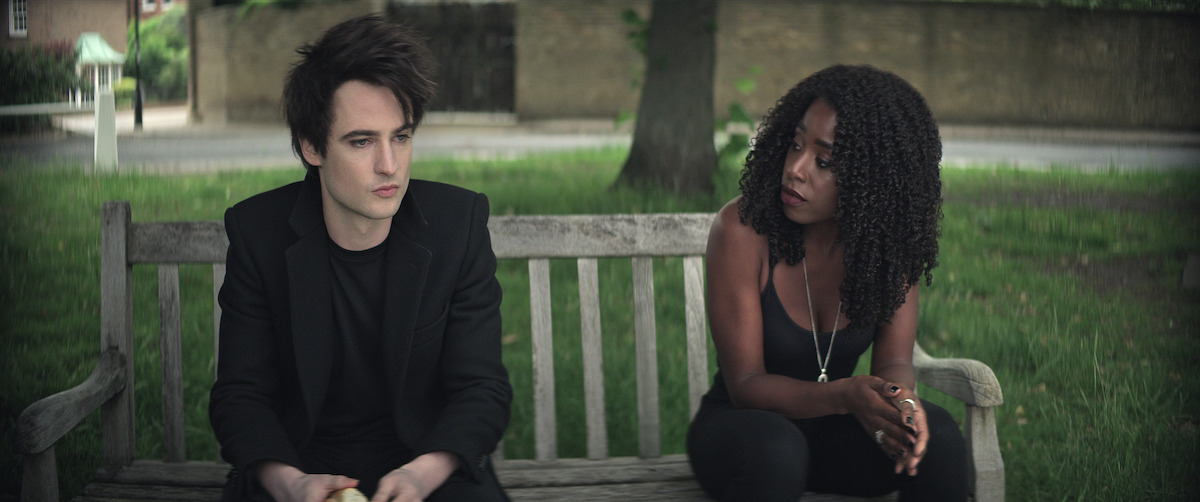
The close bond between Dream and Death symbolizes the cycle of creation and dissolution that governs all things in the universe,
Dreams as Messages, Messengers, and Mirrors
Throughout history, dreams have been associated with supernatural insights and divine revelations. In Greek mythology, dreams were personified as the Oneiroi—children of Night (Nyx). Morpheus, in Roman mythology, is the dream-bringer, often depicted with wings, able to slip silently between realms.
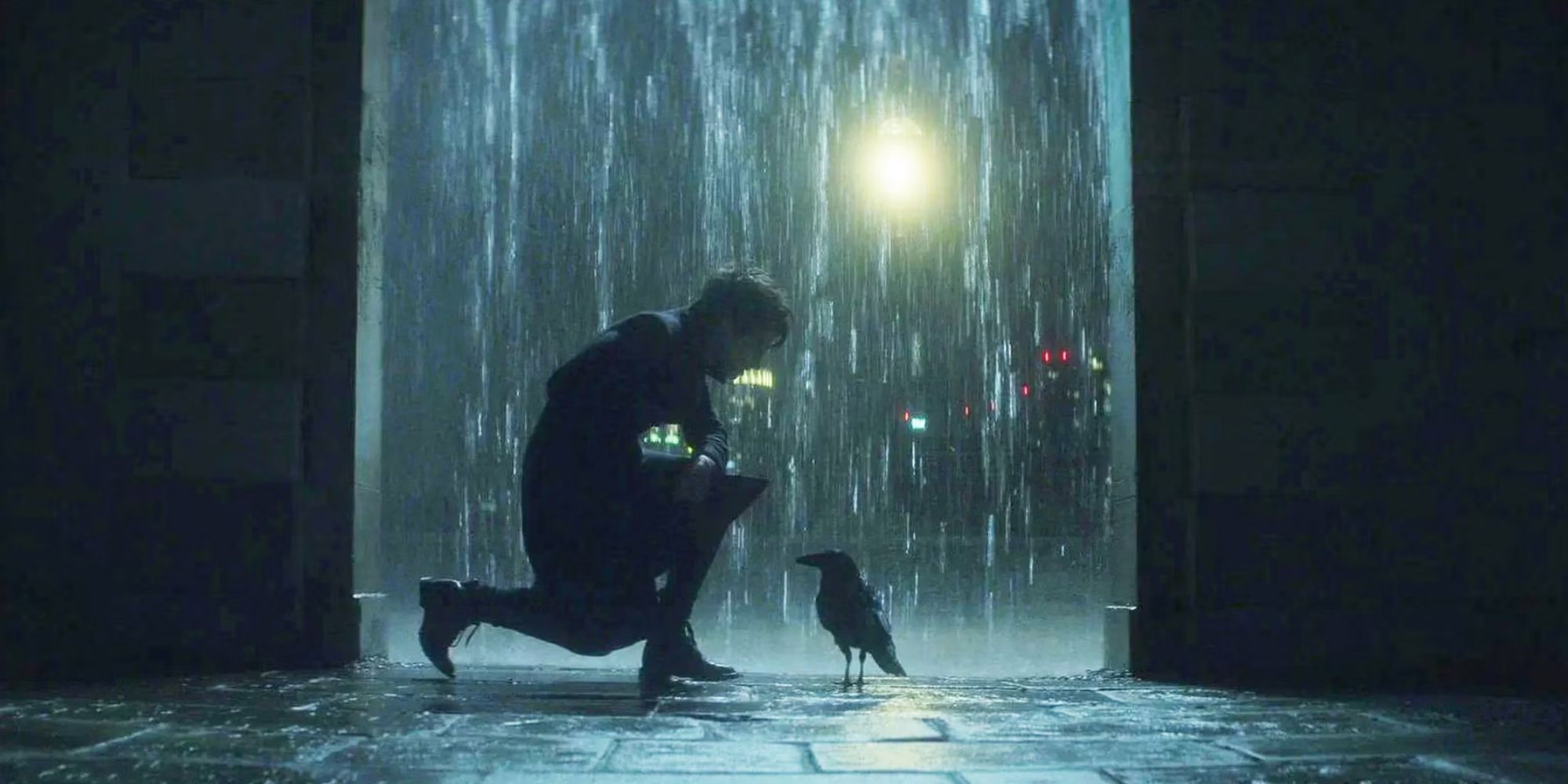
Morpheus with his Raven Matthew. Matthew is a reincarnated human soul.
Gaiman draws from this classical lineage but updates it with a modern psychological sensibility. The dream realm in The Sandman functions like Carl Jung’s collective unconscious—a shared inner world populated by archetypes, shadow figures, and symbols. The Dreaming reflects not just individual imagination, but the mythic strata of the human subconscious.
Gaiman also acknowledges the darker traditions around the Sandman mythos. In E.T.A. Hoffmann’s disturbing 1816 story, the Sandman is a nightmarish figure who throws sand into children’s eyes, causing them to bleed and lose sight. This motif reemerges in horror culture, such as Freddy Krueger from A Nightmare on Elm Street. Gaiman reconciles these polarities by making Morpheus both protector and punisher. He nurtures dreams but also punishes dream-creations that go rogue.
The Corinthian represents existential emptiness.
Among all the dream-creatures in The Sandman, none are more haunting or philosophically rich than the Corinthian. He is not merely a villain or a monster—he is a metaphysical statement. Created by Dream to be a “black mirror” held up to humanity, the Corinthian escapes into the waking world during Dream’s absence, manifesting physically and transforming into a serial killer. His most grotesque feature—mouths where eyes should be—cements him as one of Gaiman’s most unforgettable creations. However, these features are not merely for shock value; they are rich in layered, symbolic meaning.
The Corinthian devours the eyes of his victims, consuming the very organs associated with perception, truth, and awakening. He doesn’t just kill—he blinds and then eats the eyes. Symbolically, he inverts the Biblical metaphor of “scales falling from the eyes,” not to reveal truth, but to obscure it forever. He doesn’t bring enlightenment, but obliterates the very possibility of it.
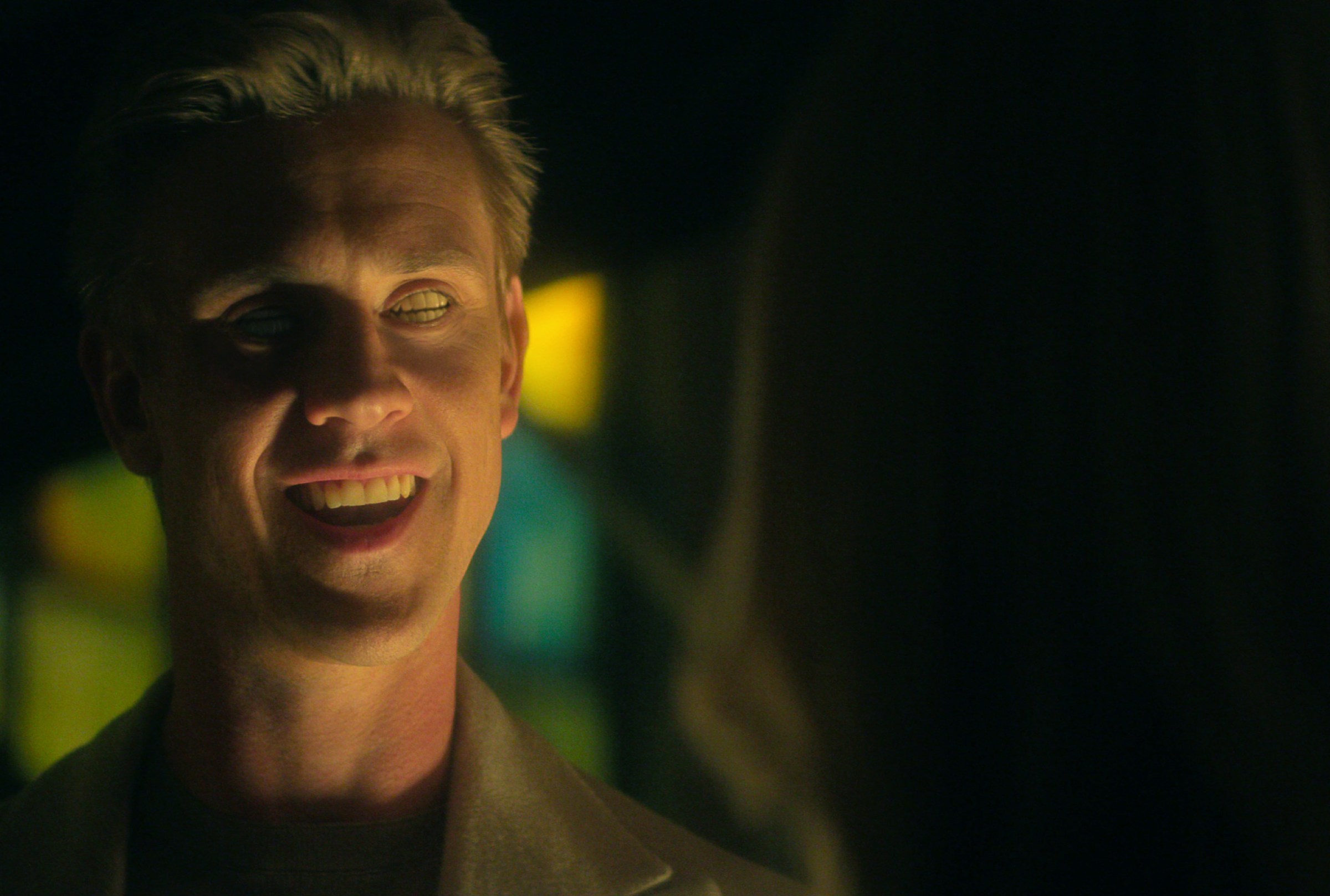
One of dream’s masterpiece is a nightmare called Corinthian
A Name Full of Nothing
Even the name “Corinthian” carries rich symbolic ambiguity. In dreams, the unconscious often uses puns and layered associations, combining multiple symbols into a single image. “Corinthian” has two noteworthy connotations. First are the ornate Corinthian columns of classical Greek architecture—the most elaborate and embellished of the ancient orders. These columns represent surface-level beauty, complexity, and flourish. The Corinthian mirrors this: he is crafted with aesthetic intricacy, layered symbolism, and the illusion of depth.
This contradiction—that the name “Corinthian” implies ornate richness and depth, while secretly signifying emptiness—is at the heart of the character’s existential message.
Teeth for Eyes: Ocular Dentata and the Fear of Seeing
The Corinthian’s most chilling trait—teeth in place of eyes—evokes an ancient archetype: vagina dentata, the myth of the toothed womb. This myth symbolizes male anxiety around the mystery and power of female sexuality, especially its hidden genitalia. Gaiman’s Corinthian reconfigures this into ocular dentata—eyes with devouring teeth for eyes. Here, the terror isn’t about sexuality, but how men perceive and fear the female genitalia which is hidden and hooden vs the male penis and scrotum, which is open and exposed.
He embodies the dread of really seeing—spiritually, psychically, and psychologically. To “see” in the mythic or mystical sense means to awaken to truth, to dissolve illusion, to pierce the veil. The Corinthian instead consumes this potential. He represents the willful refusal to know, the violence we do to ourselves and others in order to avoid spiritual sight. His existence turns vision into consumption. Instead of opening eyes, he eats them—making blindness permanent.
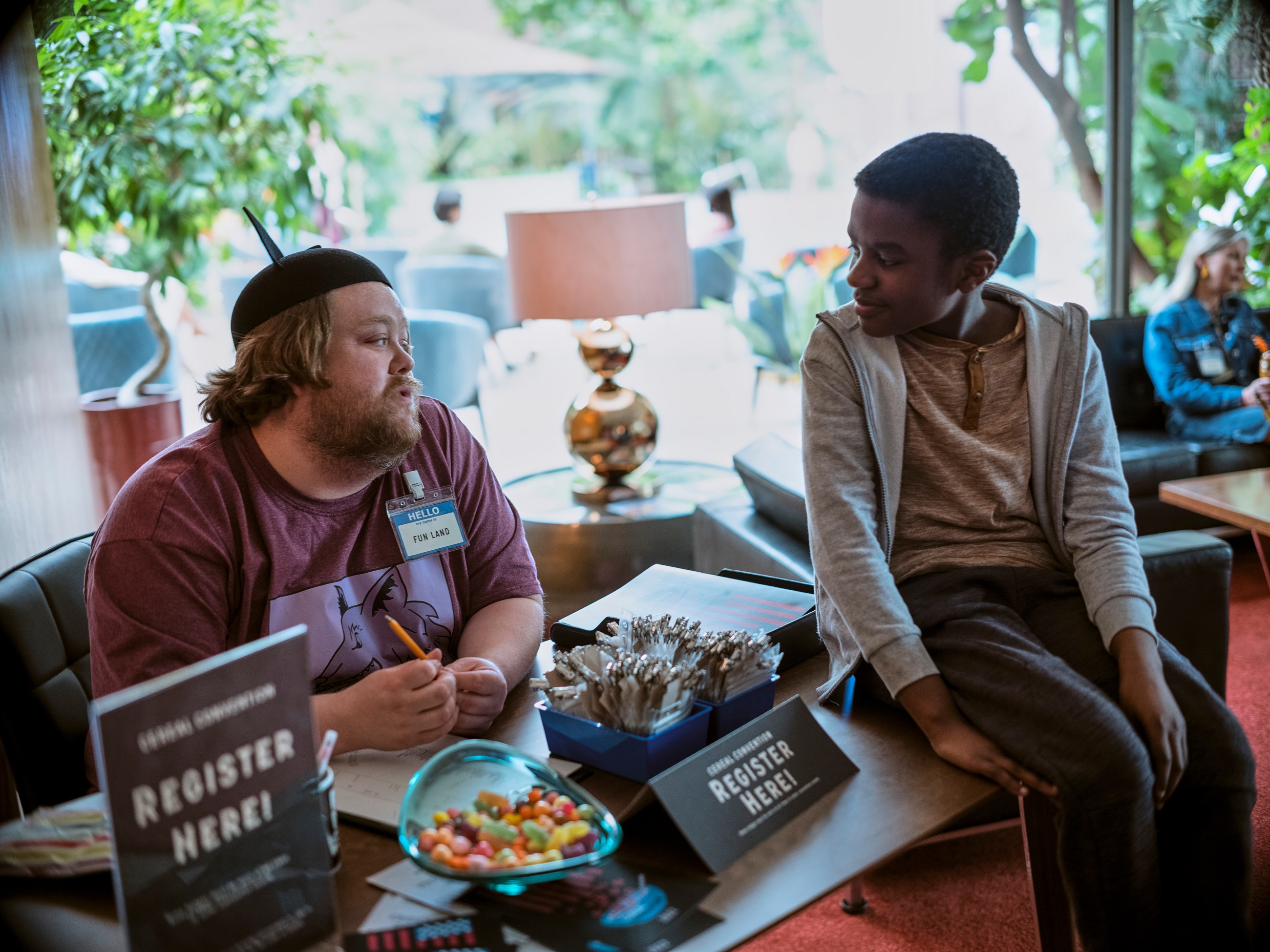
The Corinthian is invited as the Chief Guest to a Serial Killers Convention. A pedophile sits at the registration desk.
The Absence of the Feminine: Anima in Reversal
In Jungian psychology, the anima represents the inner feminine within a man—the intuitive, feeling, creative principle. By adopting the imagery of vagina dentata while being overtly male, the Corinthian performs a symbolic inversion. He is male, but co-opts female symbolism to embody its suppression. Rather than embracing the anima, he devours it.
In doing so, he becomes a nightmare of unbalance: a being entirely devoid of intuition, compassion, or integration. He is the spiritual blindness that results when the inner feminine is rejected or repressed.
Qlippothic Emptiness: The Hollow Shell
The Corinthian also resonates with Jewish mystical concepts—specifically the Qlippoth, the dark mirror of the Sephiroth on the Tree of Life. Where the Sephiroth represent divine emanations—light, wisdom, beauty, compassion—the Qlippoth represent the husks, the empty shells. They are the residue of light without soul, presence without meaning. The Hebrew word Qlippoth means “shells,” and the Corinthian, like them, is all shell: intricate, formidable, empty.
He is the nightmare of the postmodern condition—the pretty surface that masks the existential void. He is not evil in the classic sense, but meaningless. And that is perhaps more terrifying. He doesn’t rage against the light. He exists in the absence of it.
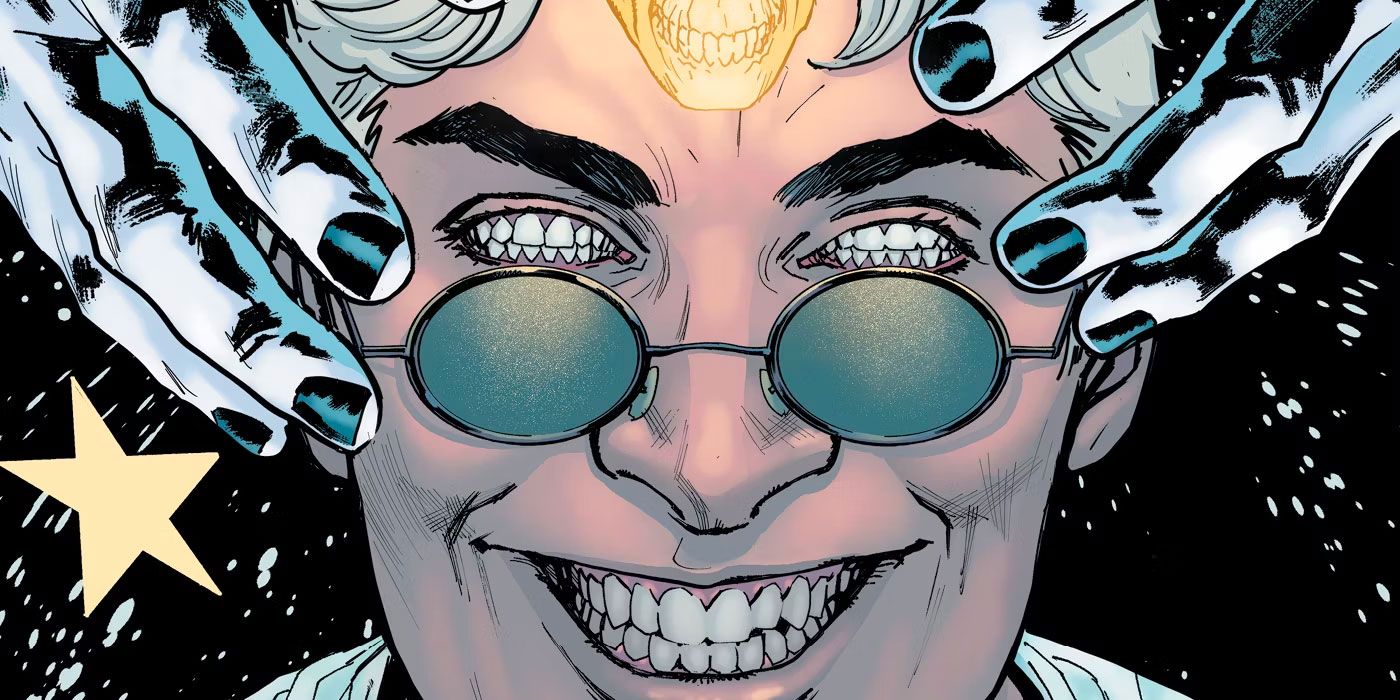
Dream’s Greatest Creation
And yet, paradoxically, Dream—Morpheus—calls the Corinthian one of his finest creations. Why? Because in Gaiman’s mythos, the Endless each contain their opposites. Death is not just the end; she is present at birth. Dream does not only govern illusion and escapism; he is also the guardian of deeper archetypal truths. This duality is reminiscent of the ancient myth of the Gates of Horn and Ivory (or Bone), which separate true dreams from false ones.
The Corinthian, then, is both: a false dream that reveals a true fear. A creation that gives form to the formless dread beneath our constructed realities. By shaping the void into a figure, Morpheus helps us face it. In this way, the Corinthian’s absence of meaning paradoxically becomes meaningful. He is both a warning and a mirror.
That is why Dream uncreates him for going rogue, but later remakes him—because nightmares too have their place. Without darkness, the light cannot be seen. Without confronting the void, we can never choose meaning. The Corinthian, as a nightmare, teaches us what happens when we forget to look—when we refuse to see.

Dream, Desire, and the Fragile Balance of the Human Psyche
One of the most powerful insights in The Sandman comes in Season 1, Episode 5, which shows us what happens when humans lose the ability to dream. As the storyline unfolds inside a diner, a disturbing truth is revealed: when people stop dreaming, they also lose the ability to lie, to imagine, and ultimately, to hope. With the collapse of these inner functions, they descend into madness and self-destruction—mutilating themselves and each other. The lesson here is stark: if humans stop sleeping and dreaming, we will cause harm to ourselves. Dreaming is not just a passive process—it is essential to our survival, sanity, and moral integrity.
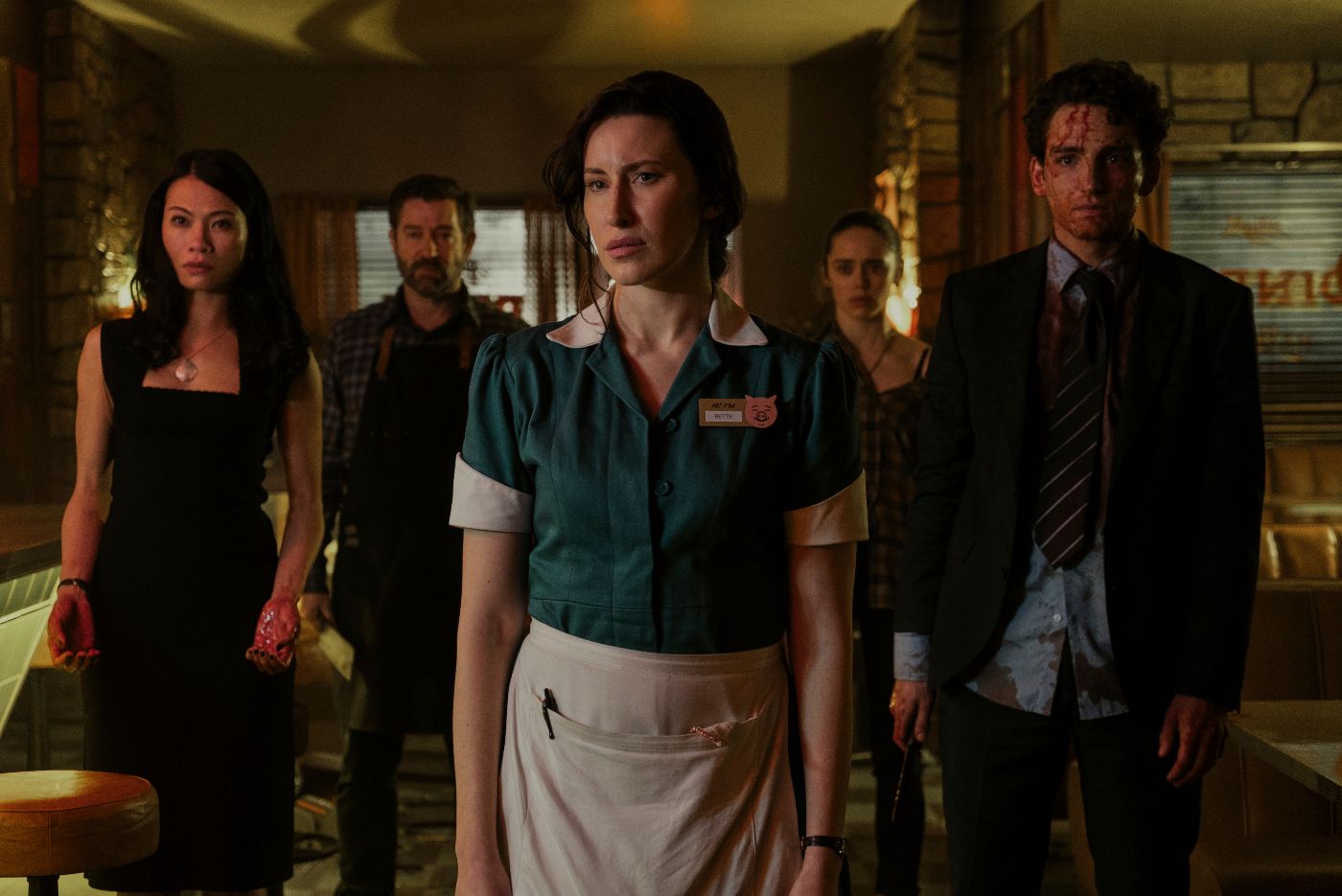
The Diner episode where everyone loses their ability to lie.
This episode illustrates the fundamental necessity of the dreaming faculty in maintaining a cohesive inner life. Dreams function as the mediator between our shadow impulses and our conscious self. When that bridge collapses, what’s repressed rises unchecked. It’s a psychological collapse rendered allegorically—a warning that our inner worlds must be honored, not repressed or denied.
Throughout the series, a cosmological hierarchy is evident. The Endless—though immensely powerful—are not gods, nor are they mere extensions of human beings. They exist outside of time and space but appear to serve a cosmic role in relation to humanity. In Episode 6, Death—Dream’s older sister—tells Morpheus that their purpose is inextricably linked to human beings. Morpheus echoes this idea in Episode 10 when confronting the Corinthian, affirming that the Endless exist not above or apart from humanity, but because of it.
The Endless are, in this sense, extensions of the subconscious aspects of humankind. They are living manifestations of inner principles. This is why, in The Sandman universe, the fate of the cosmos so often hinges on humanity. Of all conscious lifeforms, humans occupy a unique position at the top of the consciousness ladder. They are the only beings who dream in the way that gives shape to myth, to narrative, to the very architecture of existence.
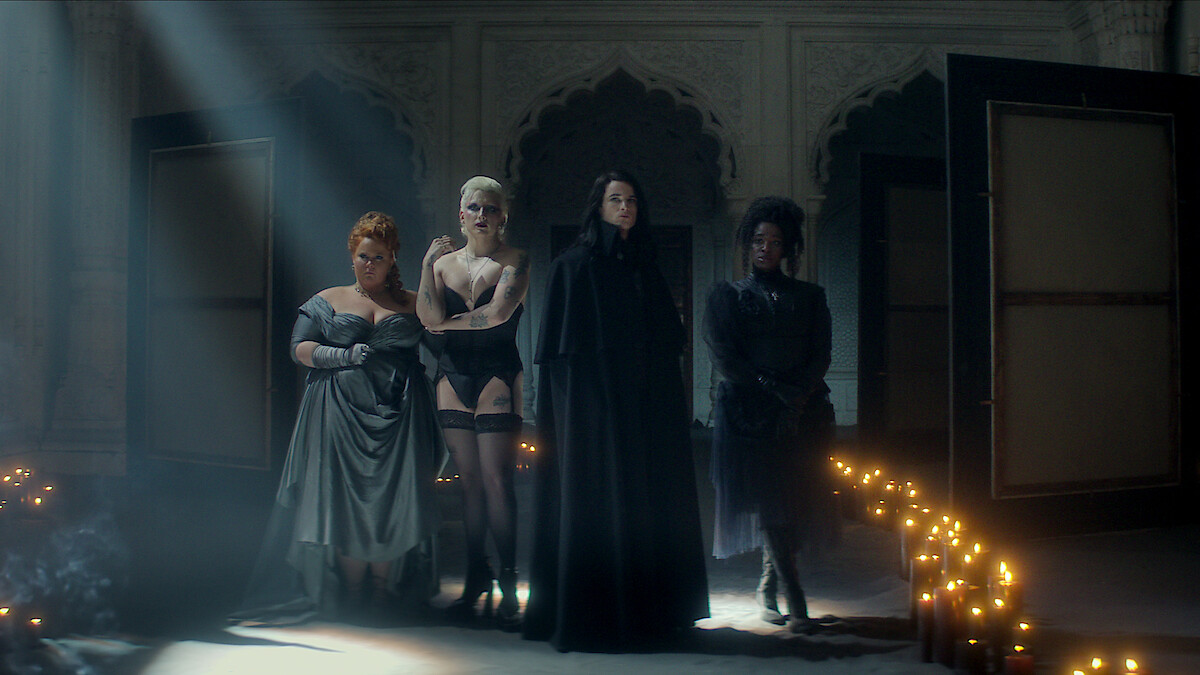
Despair, Desire, Dream and Death have a family meeting in season 2.
This interconnectedness becomes particularly clear when examining the relationship between Dream and his sibling, Desire. Is Desire the antithesis of Dream? The series certainly suggests so. Desire, whose gender presentation is fluid and whose motivations are often opaque or malicious, is positioned as one of the central antagonists. Alongside their twin, Despair, Desire functions as a destabilizing force. The choice to render Desire with a trance, androgynous aesthetic is no accident. It suggests the ever-shifting, ungraspable nature of desire itself—a force that can inspire or destroy depending on its direction.
While Dream represents structure, order, and meaning, Desire represents disruption, craving, and manipulation. The two are not merely opposed—they are entwined, each defining the limits of the other. Desire is not evil per se, but in antagonism to Dream, becomes a symbol of uncontrolled appetite, selfish longing, and egoic compulsion.
Another profound element arises in the storyline of the Dream Vortex introduced in Season 2. This figure is prophesied to bring about the end of the Dreaming. What’s striking is her origin: she is the byproduct of a cosmic anomaly caused when humans attempt to capture Death, but instead accidentally imprison Dream. This accident leads to the birth of a Dream Vortex, an unpredictable force that can collapse the Dreaming entirely.
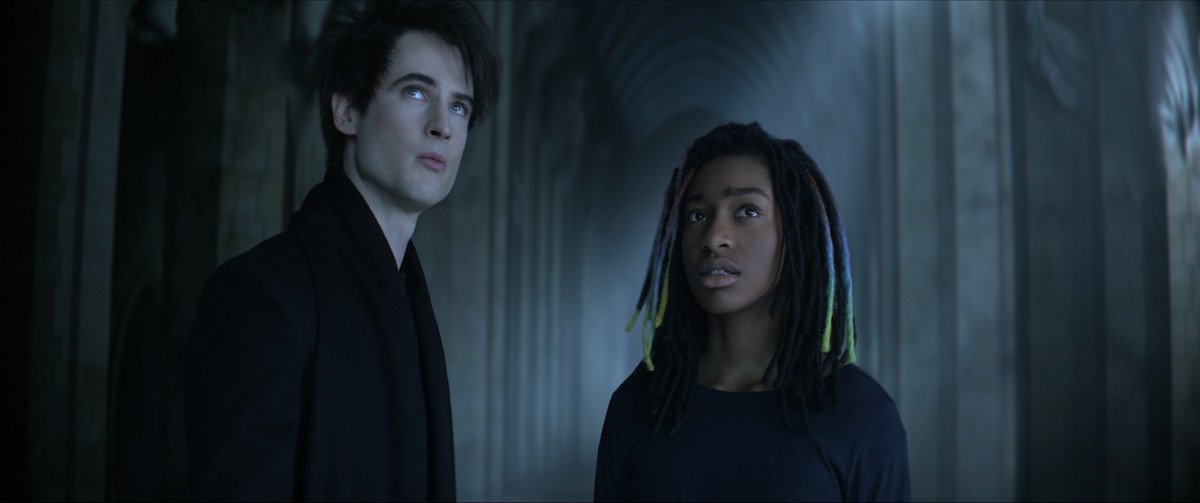
Rose Walker, the dream vortex, is born out of an anomaly caused by the humans trying to capture death, and accidentally catching dream instead, suggesting that when we try to evade normal process of life like death, we end up in a state of limbo.
The allegory is clear. When we attempt to interfere with the natural order—when we try to capture, evade, or circumvent the inevitabilities of life such as death—we risk destabilizing the very fabric of our inner worlds. Trying to avoid death does not grant us life—it traps us in a dream, in a suspended state of denial, which only invites greater trouble. Gaiman elegantly shows that death and dream are twin forces, each requiring surrender. When we try to conquer them, we tear holes in the cosmos—personal or collective.
Neil Gaiman’s brilliance lies in allegorically exploring these metaphysical ideas without preaching. Through narrative and myth, he reminds us that dreaming is not escapism—it is a sacred necessity. And that the balance between desire and dream, between mortality and imagination, is not a battleground, but a dynamic dance.
The Mythic Origin of All Things
Despite Gaiman’s Western origins, The Sandman resonates deeply with Eastern philosophies. Themes like karma, illusion, transcendence, and self-realization thread through the narrative, suggesting that both East and West arise from a shared metaphysical source. Dreams—and the myths they generate—are bridges across these traditions.
Dreams are not just passive experiences. They are tools, messengers, sometimes even initiations. Whether they serve to reconnect us with a lost loved one, guide us through emotional turmoil, or confront us with what we most fear, they are always invitations to know ourselves more deeply.
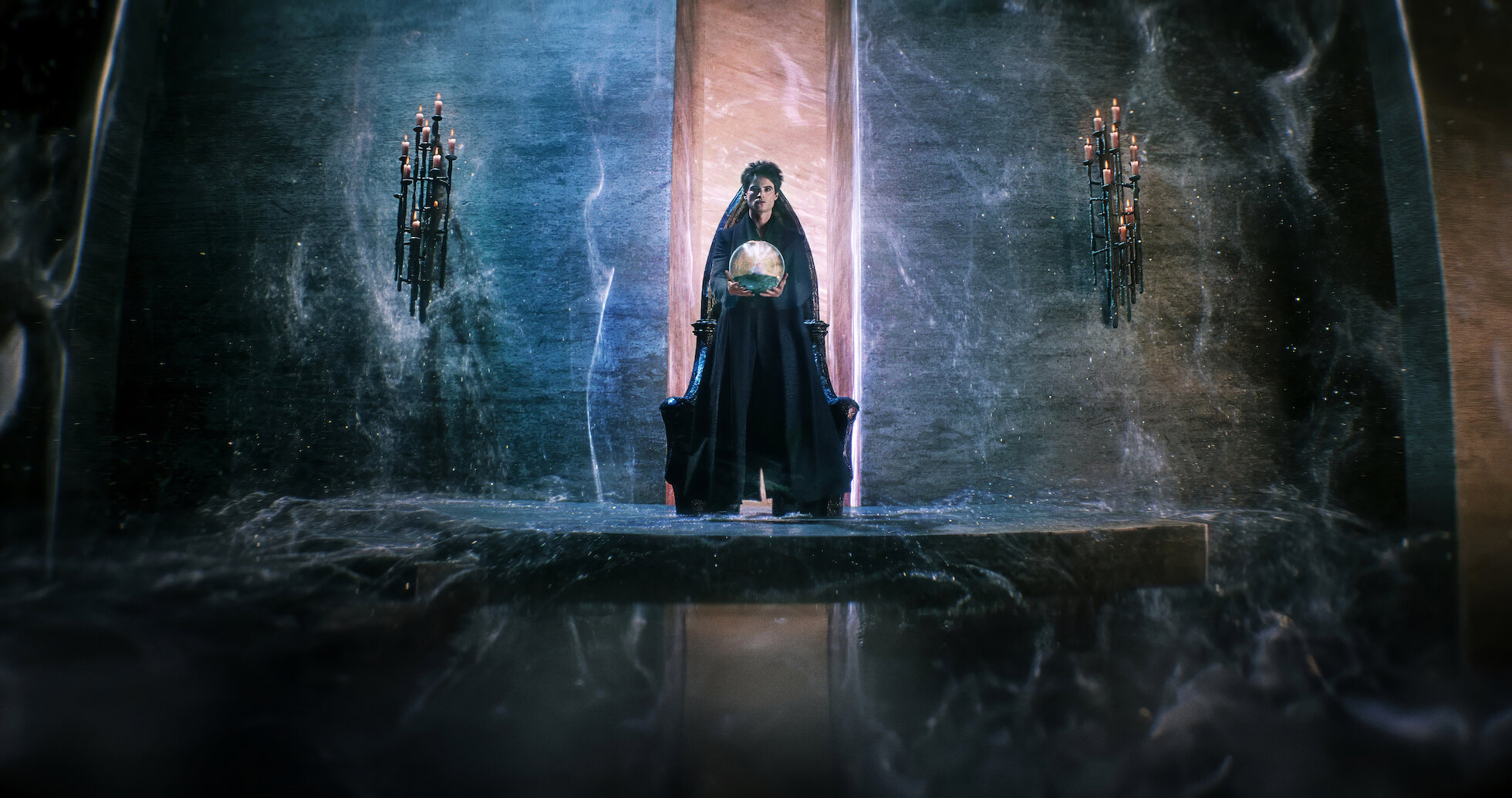
**Awakening and Dreaming: Two Halves of the Same Spiritual Journey
**In today’s spiritual circles, the word awakening is used so often, it’s starting to lose its depth—its sanctity. We speak of waking up from illusions, from the matrix, from unconscious patterns. And while this is an important part of the process, it’s only half the story.
True awakening is not just about breaking free from the dream. It’s also about learning to dream again—consciously. To awaken is to become aware of the illusion, yes. But it’s also to enter the sacred space of the subconscious—the realm where dreams are born, where new realities are seeded.
We often forget: sleep, too, has its role. It’s in sleep that we dream, and it is through dreams—both personal and collective—that we imagine better futures. If we cannot dream a new world, how can we ever create one?
Spirituality, then, is not just about “waking up” in the literal sense. It’s about balancing the clarity of awakening with the creativity of dreaming. One helps us see things as they are. The other helps us envision what could be.
Without dreams, awakening would only leave us standing in a broken world, seeing clearly but powerless. But with dreams—lucid, visionary dreams—we become creators. We begin to reimagine the world, not just escape it.
So let’s not abandon dreaming in the pursuit of awakening. Let’s embrace both. Because real spiritual transformation isn’t just about seeing through the illusion. It’s about dreaming a better one into being.
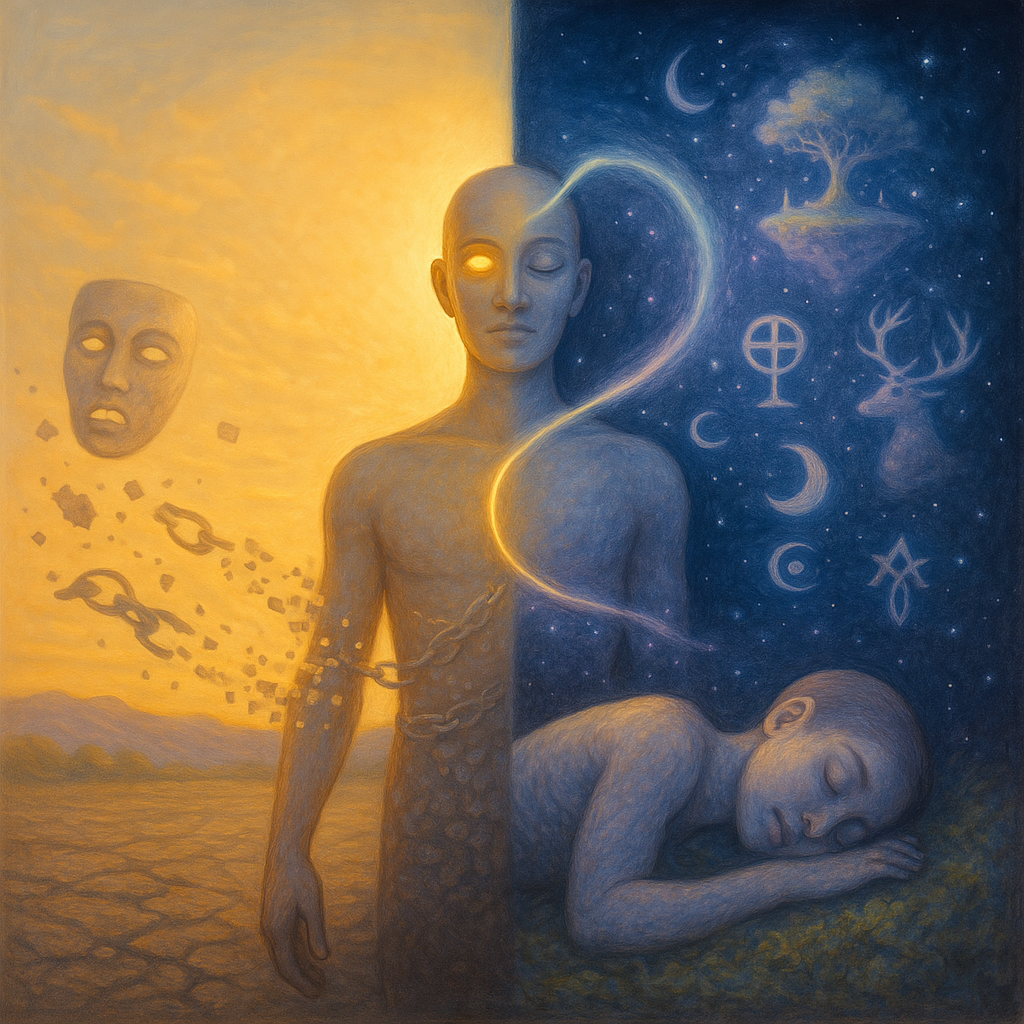
We spend nearly one-third of our lives asleep, much of it immersed in dreams. Yet modern culture dismisses dreams as noise, mental junk, or random firings of neurons. Gaiman’s Sandman re-enchants that narrative. It shows us that dreams are not escape—they are entry. They are the keys to the psyche, the soul, and perhaps to reality itself.
In the end, The Sandman teaches us that to dream is to be human. To honor dreams is to begin understanding the deeper language of life. And to walk the path of self-discovery—through darkness, illusion, and awakening—is to walk with Dream himself.
Thanks for reading Harsh’s Substack! Subscribe for free to receive new posts and support my work.
Originally published on Substack — view source