January 3, 2025
The religious roots of vaccination
Vaccination started out as a religion before it became 'science'
Vaccination was practiced as a religious ceremony decades before anyone had decided there were different kinds of disease.
Do vaccines have a religious component?
Why does science want to believe in something which is omnipotent and omniscient — ‘germs’ ?
- James True
Wild Historical Plot Twist: Salem Witch Trials & Smallpox?
Picture this: It’s 1692, and Salem is losing their minds accusing everyone and their grandmother of being witches. But here’s the tea - 19 people got hanged, one guy got CRUSHED (worst way to die ever), and 5 died in prison waiting for their “trials.”
Thanks for reading Harsh’s Substack! Subscribe for free to receive new posts and support my work.
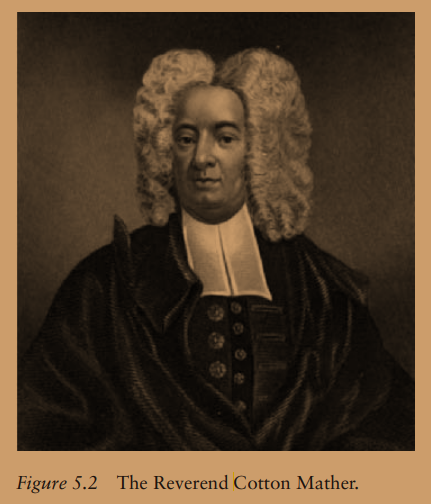
The whole thing was run by these power-tripping preachers (looking at you, Cotton Mathers) who were running their own medieval cancel culture. Got beef with someone? Just call them a witch! Works especially well if they’re young and can’t defend themselves.
Like today’s social media witch hunts, but with actual hangings. Brutal, right? The victims were mostly teenagers and young adults - basically anyone who might’ve been seen as “sus” back then.
The real question is - what does this have to do with the first smallpox vaccine? *dramatic suspense music*
Think this belongs in your history textbook? Because honestly, the truth is way more interesting than what they usually put in there!
Want to know the connection? Let’s dive in.
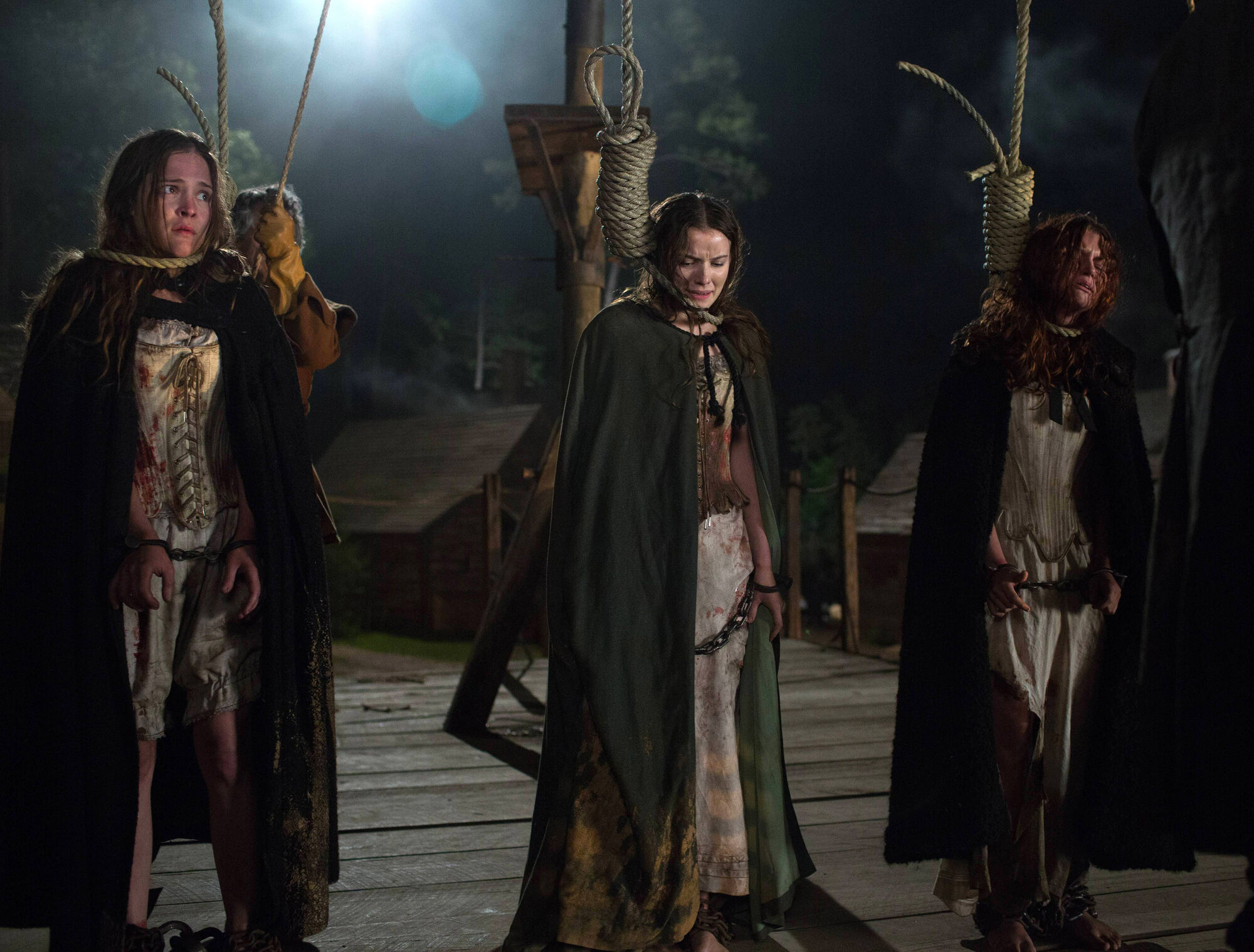
The Salem Witch Trials are several sentences inflicted on citizens accused of witchcraft began in 1962 in the colonial town of Massachusetts.
🔬 Meet the OG Smallpox Squad:
1. Edward Jenner: Vicar’s kid turned “scientist” (using that term loosely)
- Gets all the credit for vaccination but was basically that group project member who showed up late and took all the glory.
- His experiments were about as scientific as your 3 AM ramen cooking experiments
- No controls, no proper methods, just vibes and 25 years of “I’ll get to it eventually”
2. Cotton Mather: The Boston Preacher with… interesting hobbies
- Day job: Hunting witches 🧙♀️
- Side hustle: Fighting Satan
- New passion project: Smallpox prevention
- Basically the definition of a chaotic resume
Think about it: A sketchy scientist and a witch-hunting preacher walk into a bar… and somehow end up revolutionizing medicine?
Plot twist: They actually kind of did it! Even though Jenner’s “research methods” would make your science teacher cry, and Mather was too busy looking for witches to follow proper protocol.
It’s like failing upward, but make it 18th century style! 🦠
**
🏥 Medical History: The OG “Find Out” After Everyone is “F*cked”**
SCENE: It’s 1796, and getting sick was basically playing Russian Roulette with your life…
Doctors back then were like:
- Got shot? Let’s drain your blood!
- Fever? Mercury time baby!
- Literally any problem? Time to “balance your humors” (spoiler: it won’t)
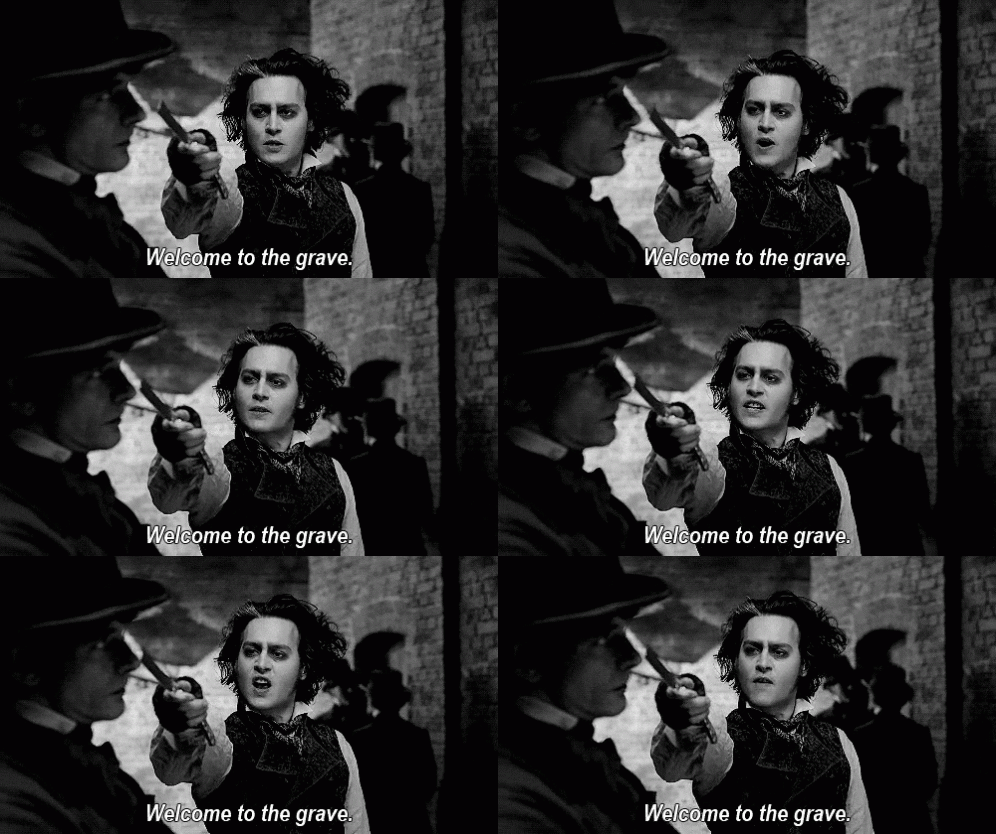
The medical logic was straight-up Sweeney Todd level advice:
Doctor: “Trust the science bro, we need to drain 24 oz of blood”
Patient: “But I’m already bleeding from the gunshot”
Doctor: “Exactly. That’s why we need MORE bleeding” 💀
Fun fact: Doctors were so committed to mercury treatments that they literally died from giving them. Talk about dedication to the craft!
People figured out that if you survive a disease once, you probably won’t get it again (shoutout to this Greek dude Thucydides for that observation).

This led to variolation - basically the “I’ve got a bad idea but hear me out” of medical history. Apparently the Chinese were doing it way back in the 10th century so that means it was safe.
Enter our two main characters:
- Edward Jenner: The guy who gets credit for everything
- Cotton Mather: Learned it from his slave and was like “bet, let’s try this”
TL;DR: Medical history is just humans finding increasingly creative ways to almost die, until someone accidentally discovers something that ‘works’! 🦠
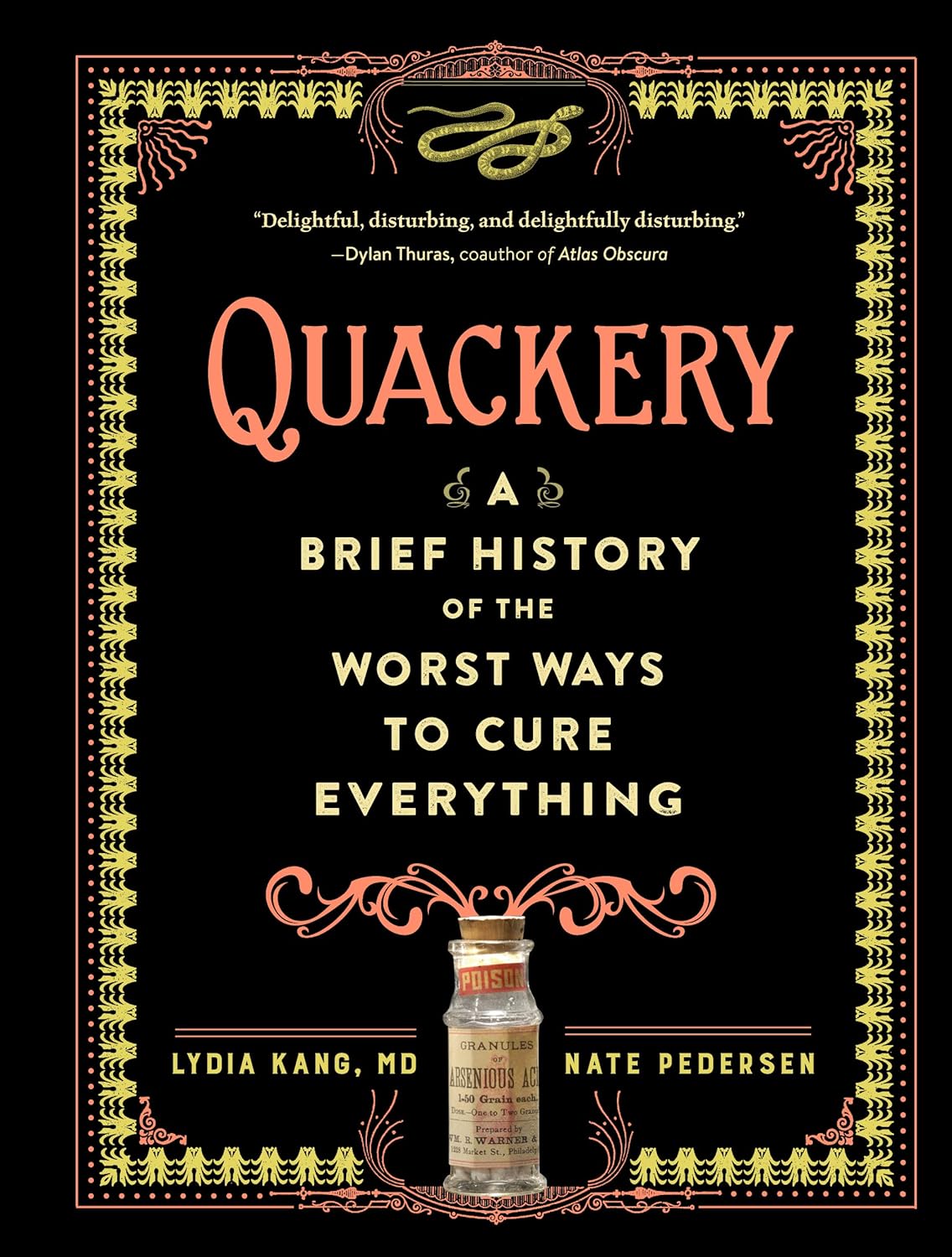
If I had to summarise the medical system during these times(1700-1900) in one book cover, this would be it.
Trading Pus Like Pokemon Cards (1700s Edition)
So get this - variolation was literally just: “Let me grab some disease juice from this sick person and put it in your open wound real quick” 💉
But wait, it gets better! Before you could get your fancy pus transplant, doctors had to:
- Starve you
- “Purge” you (trust me, you don’t want details)
- Drain your blood
And this was a LUXURY treatment! Only rich people could afford to pay doctors to torture them this way. Talk about weird flex but ok 💅
Now here’s where it gets sus:
The virus in smallpox = variola orthopox
The virus in the vaccine = vaccinia
Me: “Hold up… aren’t vaccines supposed to use the same virus but weaker?”
Science: “Shhhhh… don’t ask questions”

And our guy Jenner was out here switching ingredients like a chaotic bartender:
- Monday: Cow pus
- Tuesday: Horse heel gunk
- Wednesday: Human pus
- Thursday: Back to cow pus because why not?
Basically, 1700s medicine was just rich people playing “find out” with random bodily fluids. And somehow… we survived? 🤷♀️
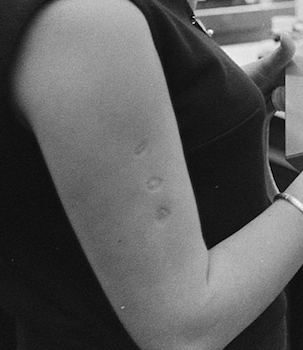
The small pox vaccination scar —If you were born before 2000 there’s a good chance you have one of these. If you were born earlier like the 1900’s there’s a good chance you have multiple such marks.
A Historical Hot Mess of Animal Fluids
So you know how when you order food, you expect to know what’s in it? Well, scientists looking at smallpox vaccines are like ”¯\_(ツ)_/¯”
The vaccine has been passed through so many animals that scientists literally lost track. It’s like that game of Chinese Whisper, but with viruses!
Every other vaccine is straightforward:
- Polio vaccine = polio virus but weaker
-Tetanus Vaccine = tetanus virus but weaker
-Rabies vaccine = rabies virus but weaker
- Smallpox vaccine = ✨mystery virus✨
Plot twist: Most doctors back then couldn’t even tell the difference between:
- Smallpox
- Cowpox
- Chickenpox
- Measles
- Scarlet fever
- Herpes
- Syphilis
They were basically playing “Guess That Rash” and calling it medicine 💀
The glow-up from variolation to vaccination was basically:
- Old way: Let’s inject sick human pus!
- New way: Let’s inject sick cow pus!
- Science: “Trust me bro”
Moral of the story: Sometimes history’s biggest medical ‘achievement’ started as complete quackery!
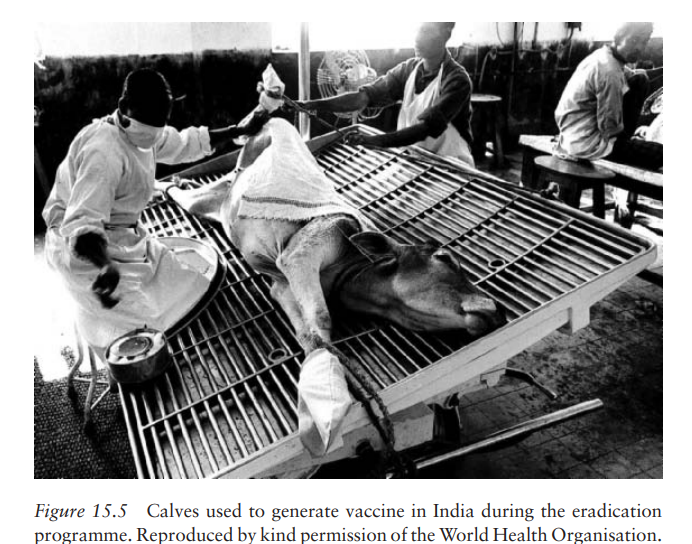
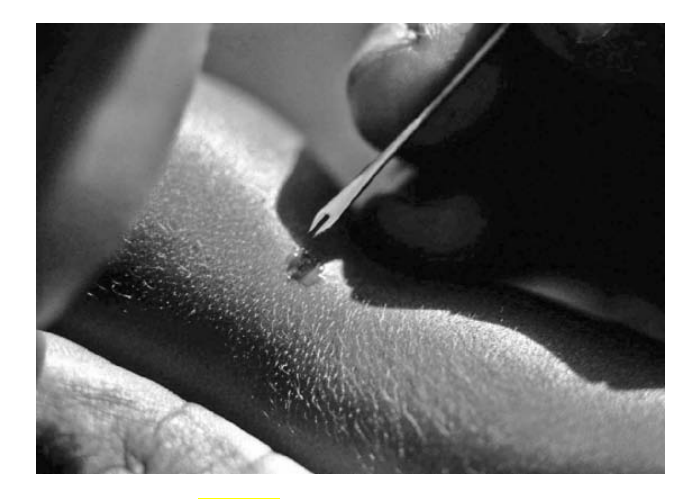
The bifurcated needle was only invented in 1965. All sorts of crude methods were used for variolation until then.
🐄 How to Convince People to Take Your Sketchy Vaccine:
The Problem: Getting people to inject cow juice wasn’t exactly an easy sell, especially in India where cows were sacred. And everyone was scared to put noxious pus from a cow into their blood.
The Solution: Make up some fake deep lore! 💫
Historical Fanfiction They Created:
- “Oh look, Krishna had a thing for milkmaids with clear skin!”
- “Ancient Indian doctor totally wrote about cow vaccines!”
- “We found this totally legit ancient scripture about cowpox!” (Spoiler: Some dude wrote it in a Madras hotel room 💀)
Plot Twist: It worked! The Brahmins were like “Oh word? Our ancestors did this? Bet!”
TL;DR: History’s first successful vaccine marketing campaign was basically just making up fan fiction and hoping no one fact-checked it 📚✨
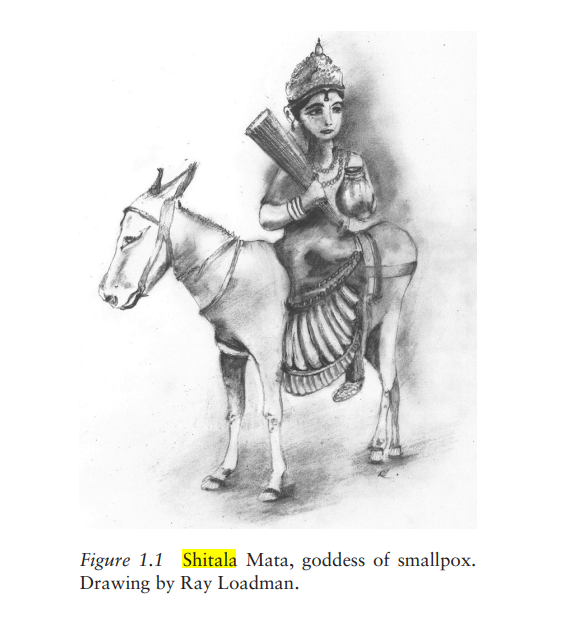
Smallpox really made a name for itself in other religions, becoming a bit of a celebrity disease in Asia and Africa centuries later. Smallpox gods started popping up like ancient influencers, commanding both fear and respect, while also offering a little “divine insurance” if you were willing to grovel a bit.
Take Shapona, for instance, the Yoruba god of smallpox—and also of the earth. His statues show him as a squat, grim-faced guy who looks like he’s been perpetually stuck in rush hour traffic. Meanwhile, over in India, Shitala Mata cruised around on a donkey, and Chu’an Hsing Hua Chieh in China preferred a horse—an attempt at normalising the animals used in lymph production for the smallpox vaccine.
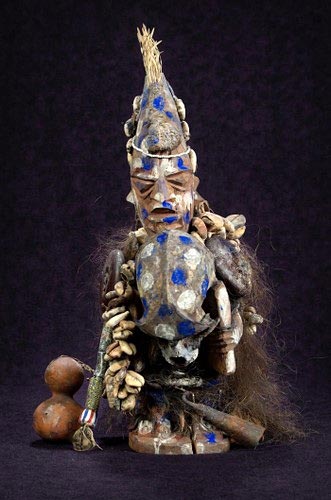
Shapona, the Yoruba god of smallpox | CDC
In these cultures, smallpox wasn’t just a disease caused by filthy conditions—it was the ultimate “you messed up” punishment, reserved for the biggest screw-ups. Shapona and Shitala might seem ancient and mysterious, but they’re basically the new kids on the block, only showing up in the sixteenth and seventeenth centuries
The etymology of ‘vaccination’
The word “vaccine” comes from vacca—Latin for cow. Yep, cows. Why? Because Jenner’s OG vaccine came from cowpox. Back then, “cowpox” and “vaccination” were practically the same thing. Jenner’s method? He used human and animal lymph (fancy word for liquid squeezed out through a pus-filled blister) and even horse heel grease—the black gunk that builds up in a horse’s hooves. Yummy.
And did Jenner use a microscope? Nope. Those weren’t a thing yet. Pasteur, who came after Jenner and the torchbearer of the germ theory, upped the gross factor. He used ground-up rabbit spinal cords for his rabies vaccine.
Smallpox itself was a weird disease. It could be confused with chickenpox, measles, leprosy, plague, syphilis—basically, if you had pus filled eruptions on your skin, someone might call it smallpox. Jenner’s early method of “arm-to-arm” vaccination (yes, transferring goo from one person’s arm to another) wasn’t exactly risk-free. People sometimes caught diseases like syphilis or tuberculosis from it. Oops.
Oh, and fun fact: the viruses behind some of history’s scariest diseases—rabies, polio, smallpox—were never tested with modern double-blind, placebo-controlled standards. ‘Science’ is wild.
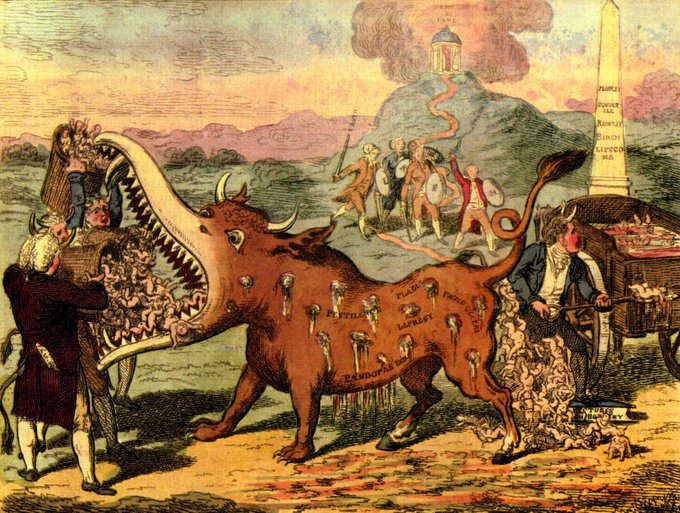
Fears about vaccination tracks back to its bestial origins. We aren’t rubbing pox scabs on open wounds now, but Bovine Fetal Serum is present in almost all vaccines and enters the blood when injected intramuscularly.
Edward Jenner is often called the “hero” of vaccination. But hold up—was he really? Turns out, not so much. Sure, he’s credited as the OG vaccine guy, but the dude wasn’t even a real doctor. He didn’t study medicine or pass any exams. Instead, he straight-up bought his medical degree. Yep, wrote a check, and voilà—he’s “Doctor Jenner.” That’s not exactly the kind of thing they mention in history class.
How did he get his fancy title as a Fellow of the Royal Society? By studying…cuckoo birds. Not medicine, not vaccines—birds. When he did try to submit a paper on vaccination, the Royal Society rejected it for, you know, lacking proof. And after that? No more “scientific” papers on the topic from Jenner. The guy basically ghosted science.
Here’s the kicker: vaccination wasn’t even built on hard science back then—it was more like “superstition with a side of germs.” People were so terrified of smallpox (and honestly, fair, because it was nasty) that they’d try anything. For example, they’d scrape dried smallpox scabs off infected people, mix them into a lovely jar of “pox soup,” soak a thread in it, and sew that thread through someone’s skin. Over and over. Sometimes it worked. Sometimes it killed them. And sometimes they just tried again, stitching pox juice into every limb they had.
The irony? Nobody realized some people were already immune to smallpox, or that others could catch it without showing those gross pockmarks. It was all trial, error, and, well, hope. Honestly, Jenner’s story is proof that modern science is standing on shaky ground.
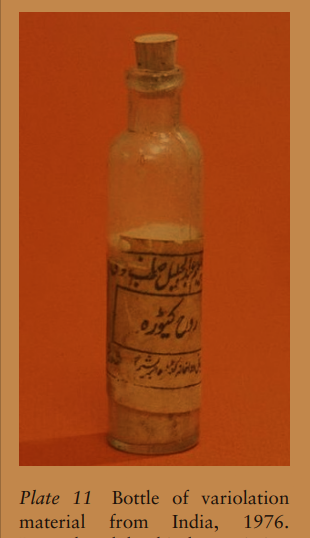
Back in the day, people knew that if you survived smallpox, you were immune for life. But the process of getting there? Brutal. Inoculation was risky, often failed, and made everyone hate doctors even more. So, naturally, people turned to…creative solutions.
Superstitions were all the rage. Doctors might kill you, but maybe swallowing a live frog for worms would do the trick! Got diphtheria? No problem—just mix cow poop, human poop, milk, and butter into a lovely cure. Delicious.
A lot of these cures were based on wordplay, because logic clearly wasn’t in style. “Like cures like” was the motto. Afraid of rabies from a dog bite? Carry a plant called hound’s tongue. Already bitten? Eat some root of a dog rose. See the theme here?
Rabies, back then, was called hydrophobia (fear of water). Victims’ throats would swell so badly they couldn’t swallow, and they’d freak out at the sight of water. So, naturally, someone came up with this genius cure: dunk the person in a stream three times, holding them under until they were just shy of drowning. Why? Because it worked on witches, and the disease was called hydrophobia, so water = cure, right? Science!

Oh, and guess who championed this brilliant idea? None other than Edward Jenner. Yep, the same guy credited with the smallpox vaccine. Turns out, modern science’s “hero” has had many questionable moments.
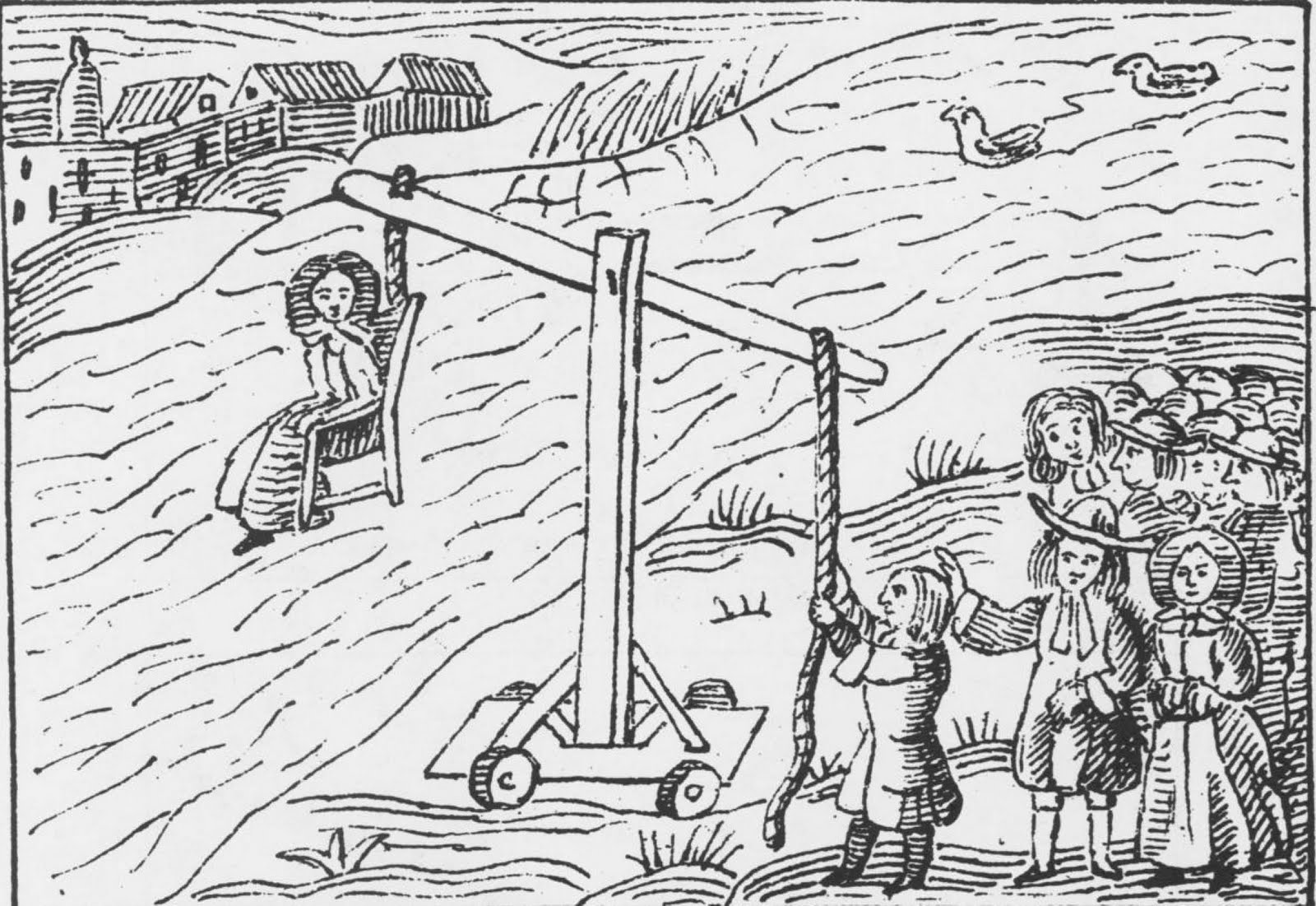
Puritans are going to drown this witch to see whether or not she will save herself and identify that she truly is a witch. Woodcut.
Variolation was basically playing Russian roulette with your immune system. The whole idea was to purposely give yourself smallpox—a disease everyone hated—and just hope you survived. Not exactly comforting.
Part of the problem? Medical hygiene back then was, well, non-existent. But even with clean tools, the concept was terrifying. “Here’s a deadly disease, let’s put it in your body and see what happens!” Genius.
And the results? Not great. Countries that tried mandatory smallpox inoculation often saw their death rates go up. Turns out, messing with smallpox wasn’t the brilliant life hack they thought it was.

Boston smallpox mortality rate from 1811 to 1926.
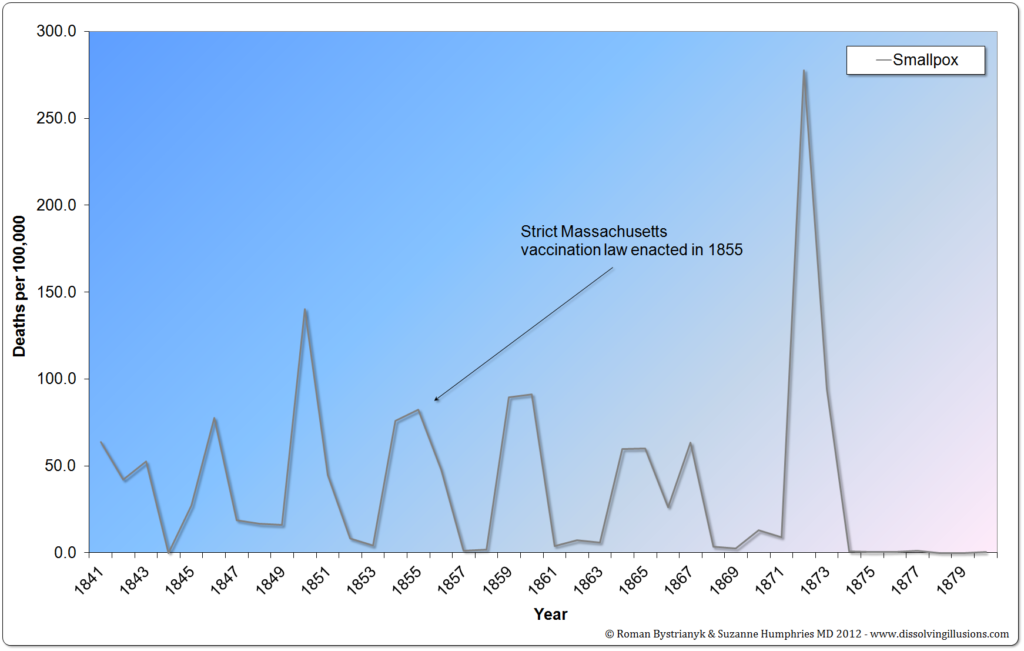
Boston smallpox mortality rate from 1841 to 1880.

England and Wales smallpox deaths vs. smallpox vaccination deaths from 1906 to 1922.
Edward Jenner’s biggest fanboy, John Baron, didn’t hold back on his opinion of variolation. He basically called it the selfish jerk of medical treatments—helpful for one person, but a disaster for everyone else.
“Variolation, the greatest improvement ever introduced in the treatment of smallpox, although beneficial to the individual inoculated, has been detrimental to mankind in general. It has kept up a constant source of noxious infection which more than overbalances the advantages of individual security.”
– John Baron, The Life of Edward Jenner, Vol. 1, 1827
But hey, even Baron’s glowing review of Jenner deserves a recheck. Diseases, like bad trends, have a way of burning out on their own. The Black Death wiped out millions in the 1300s, but it left without a vaccine. The Spanish Flu of 1918 killed tens of millions and peaced out after two years.
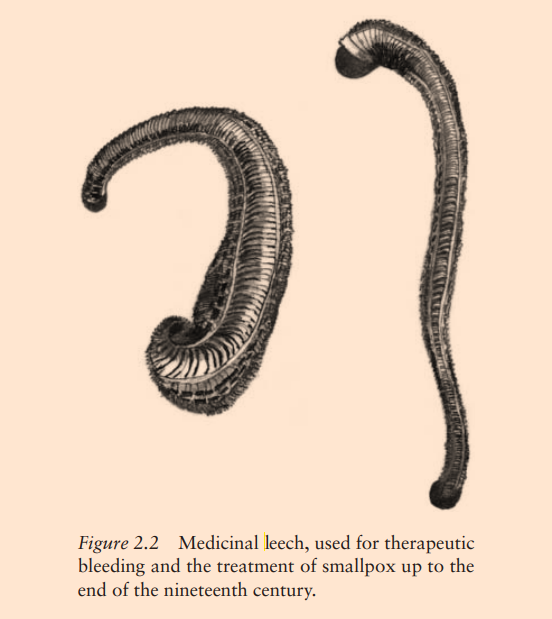
Here’s a throwback to the early 1700s in England, straight out of William White’s 1885 book The Story of a Great Delusion. Spoiler alert: medicine back then was a _hot mess.
“Those who fancy there could be any wide or effective resistance to inoculation in 1721 misapprehend the conditions of the time. There was no scientific knowledge of the laws of health; diseases were generally regarded as mysterious dispensations of Providence over which the sufferers had little control; and a great part of medicine was a combination of absurdity with nastiness.”_
Here’s the thing: smallpox thrived in filth. No sanitation, no clean water, and sewage everywhere. Medicine back then wasn’t exactly helpful, either. “Treatments” involved bloodletting, purging, and giving people metals like arsenic, mercury and lead to swallow, apply to the skin, and douche. Fun! Even Jenner, the vaccine guy, was big on bleeding people. He even tried watering plants with human blood to see if it made them grow better (spoiler: it didn’t— manure basically does the same).
People in 1721 didn’t exactly resist inoculation because, honestly, they didn’t know any better. There was zero understanding of health or science. Diseases? Oh, those were just “mysterious punishments from above.” Tough luck if you get sick.
So they were willing to try *anything*, especially if it was approved by their religion. Today things are no different, except belief in modern medicine has become a new religion, thanks partly to mistaken beliefs such as ‘smallpox was eradicated with vaccines’.
‘Medicine’ back then was a mix of complete nonsense and gross experiments. Think “drink this weird potion” meets “we have no idea what we’re doing.” Absurdity and nastiness were the vibes. Modern medicine has not changed much compared to whatever this was — animal venoms, plant-derived poisons and petroleum industry byproducts have been added to the repertoire.
Read the first part of the smallpox post here.
Additional reading/watching:
What Really Makes You Ill by David Parker, Dawn Lester
An End to Upside Down Medicine Contagion, Viruses, and Vaccines—and Why Consciousness Is Needed for a New Paradigm of Health by Mark Gober
Dissolving Illusions: Disease, Vaccines, and the Forgotten History by Suzanne Humphries MD, Roman Bystrianyk
Angel of Death by Gareth Williams
Links:
https://www.forrestmaready.com/tag/mio1/
https://dissolvingillusions.com/graphs-images/
https://www.threads.net/@harsh_truths3321/post/DDrt9h9S_SC?
Aaron Siri on Polio and Measles vaccines with Tucker Carlson:
https://x.com/harshtruths3321/status/1874805449813598461
James True- Religious Roots of Vaccines
Thanks for reading Harsh’s Substack! Subscribe for free to receive new posts and support my work.
Originally published on Substack — view source