August 18, 2025
What Animal Rights Really Mean
Animal rights are back in the spotlight in India. But let’s ask the harder question: what are animal rights, really?
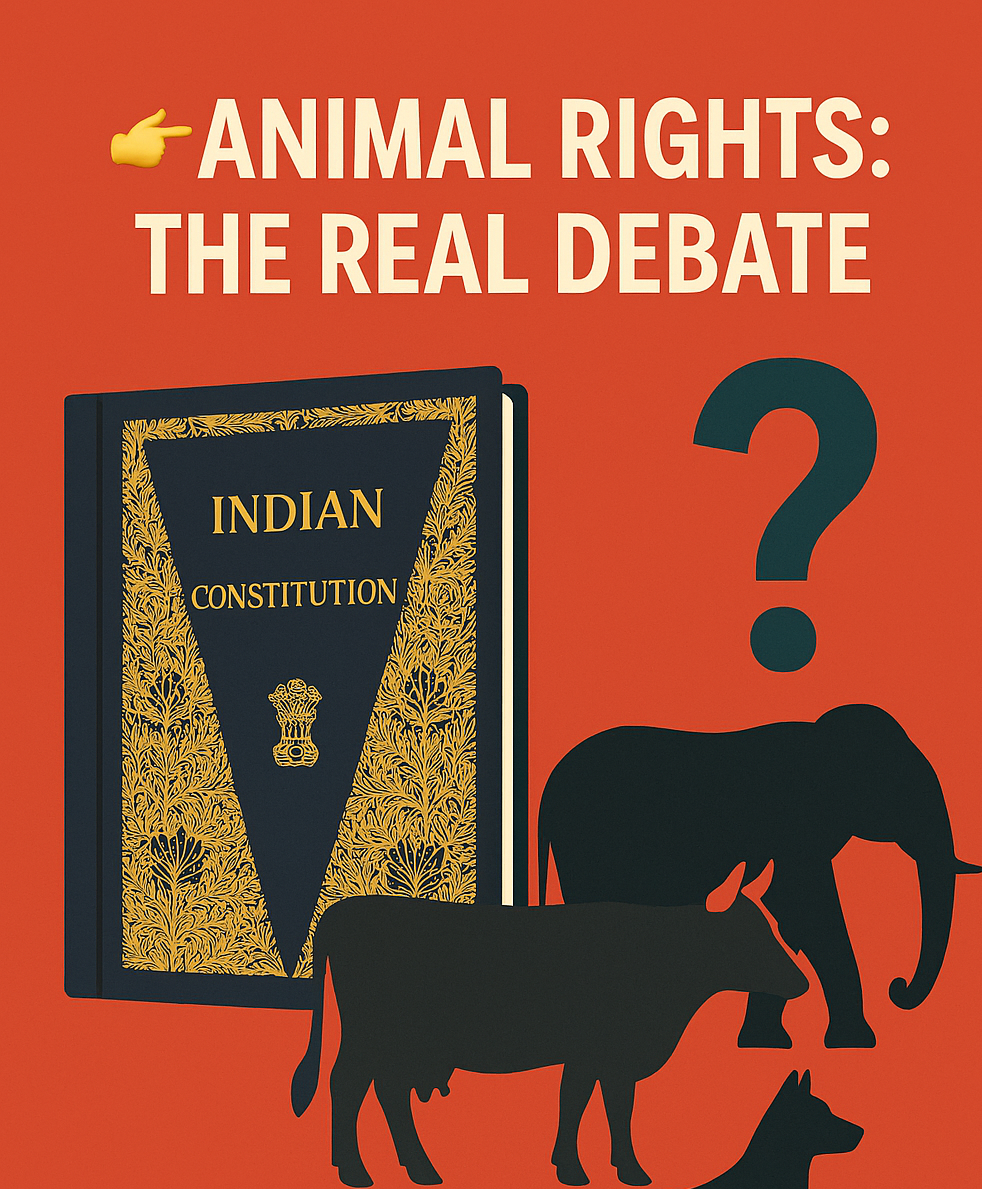
Animal rights have once again come into the spotlight in India with recent developments, and I think this is the right time to step back and reflect on what animal rights actually mean.
caption…
Do Animals Have Rights?
First, it’s important to recognize that the Indian Constitution itself does not acknowledge that animals have rights. This is not necessarily bad news—it points to a deeper reality. Animals inherently don’t possess rights on their own.
To have rights requires a certain level of consciousness: autonomy, self-awareness, and the cognitive ability to recognize and claim those rights. Most animals simply do not operate at this level of consciousness. That is why, legally and philosophically, animals are categorized as animals rather than rights-bearing beings. This is also why there are petitions so that some animals, such as dolphins are given more rights.
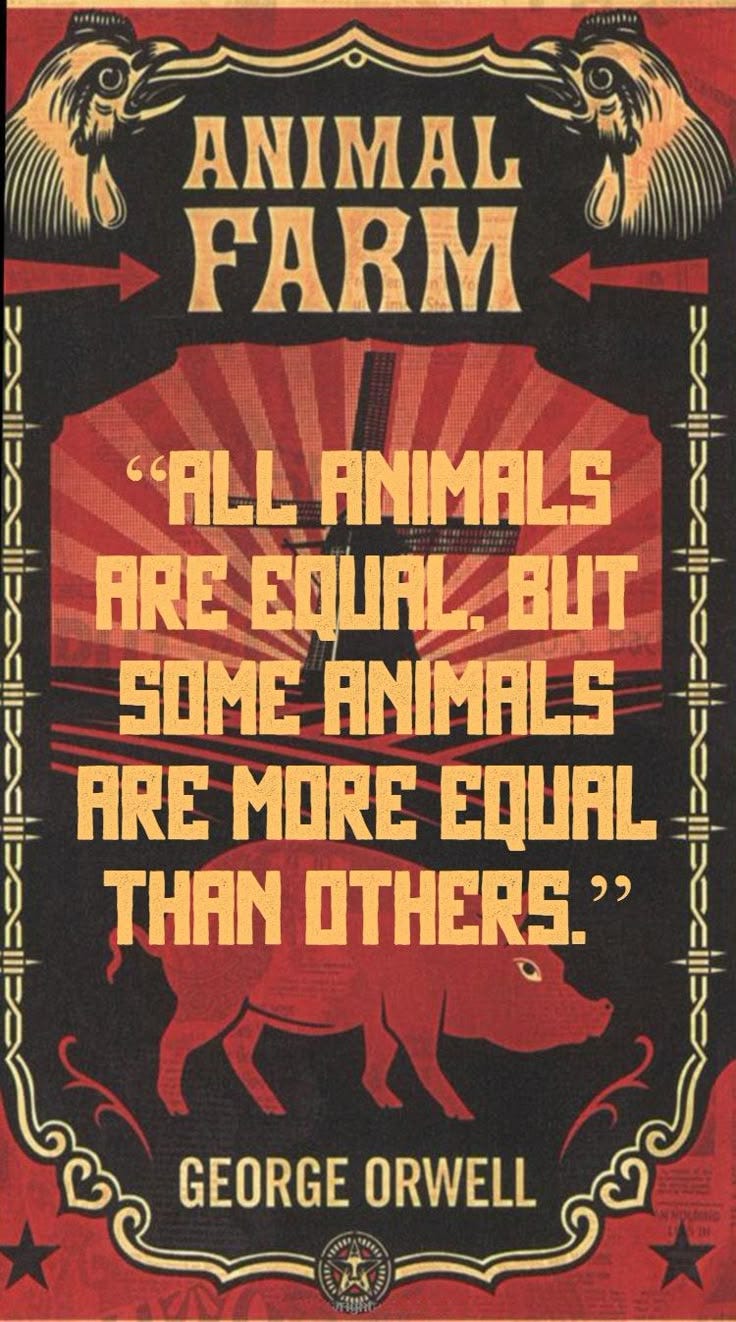
Animal Farm is a short book, but one that many haven’t read.
But this doesn’t mean animals are left unprotected. Humans, by virtue of having rights, can extend protection and dignity to animals. In other words: when humans truly realize and live by their rights, animals also benefit. Animals “gain rights” through human beings’ recognition of their own.
Ahimsa, Veganism, and Historical Context
The second issue is the modern push for Ahimsa (non-violence) and veganism. Many advocates of these movements act with good intentions, but they often overlook historical realities. Humanity has endured many cataclysms in the past—times when crops failed, plants withered, and ripe fruit was scarce. In those periods, survival depended on learning to hunt and consume animals. Meat became a vital source of nutrition and energy in the darkest chapters of our history.
If one considers eating animals wrong, how does this compare with even more extreme taboos, such as cannibalism or incest, which humanity has also brushed against during crises? Our history shows that eating animals was often not a moral choice, but a necessity for survival.

Historically it was vegetarian societies that often turned to cannibalism, as evidenced by the Aztecs and their human sacrifices.
Human Biology and Nutrition
Another overlooked fact is tied to human biology. Humans are the only species on this planet that menstruate so regularly and in such high volumes, losing more blood than any other creature. This biological reality creates a higher nutritional demand, especially in younger stages of growth. Animal-based nutrition has historically played a critical role in supporting this demand.
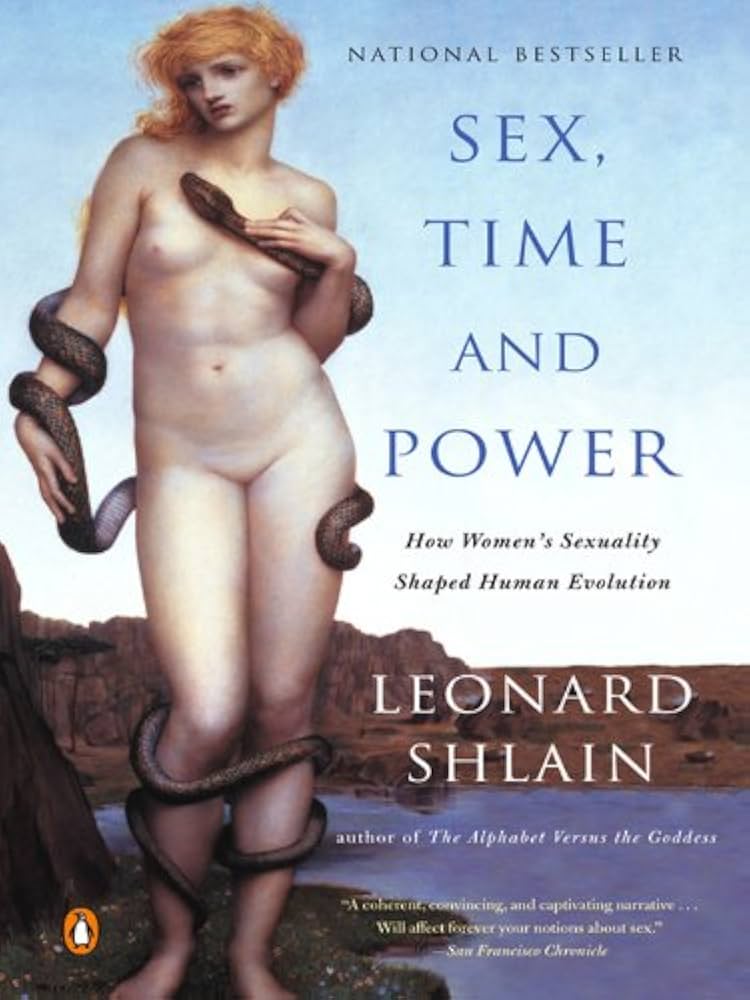
This is why forcing veganism on children, puppies, kittens, or human babies can be harmful—they are deprived of the nutrition essential for healthy development. A plant-based diet can be more suitable as people age, but in formative years, humans (and many other animals) benefit greatly from animal-derived foods.
We often assume that in nature, there is no bloodshed except among predators—that lions and tigers are the hunters while herbivores are purely peaceful. But this is not true. Even herbivores have meat-based elements in their diets at times. Across the animal kingdom, almost all herbivores, when they give birth, consume the placenta. This is to recover the iron and other nutrients that would otherwise be lost. Deer with large antlers have been observed licking animal bones to obtain calcium. Cases of cannibalism, or parents consuming their young, also occur throughout nature.
Humans, unlike most of these animals, menstruate both more heavily and more frequently, creating a continual requirement for bioavailable iron that can only be adequately met through meat, animal products, and seafood. Certain essential nutrients, like DHEA, are available only in marine organisms. These played a crucial role in the evolution of the human brain, as suggested by Dr Jack Kruse’s aquatic ape theory.
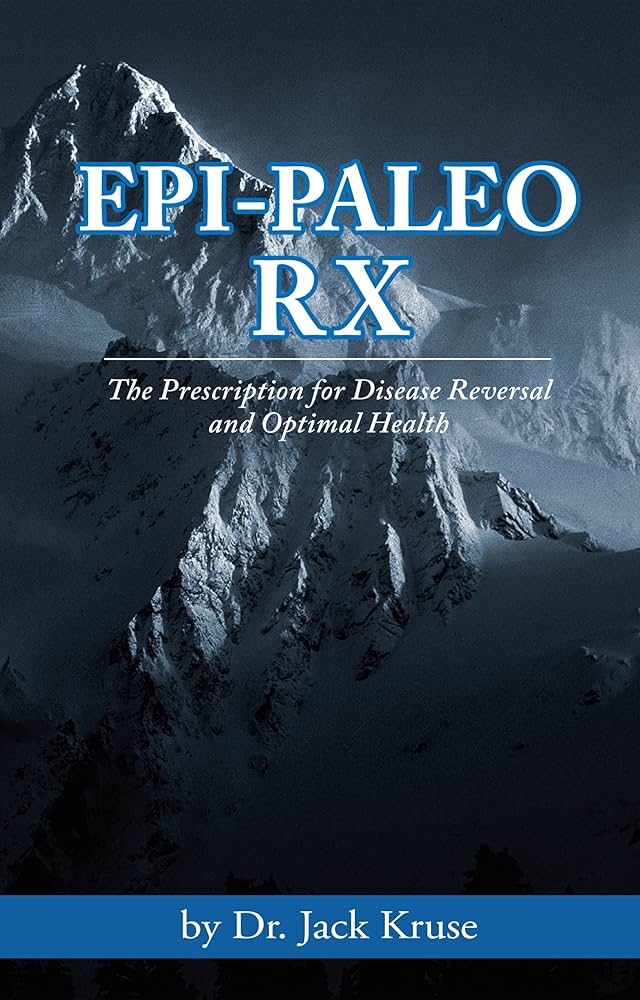
There was a time when a large part of the earth was submerged, and we evolved to live on the coastlines and islands, eating marine organisms. Dr Jack Kruse goes into details in his first book EPI PALEO Rx.
Plants and Sentience: The Baxter Experiments
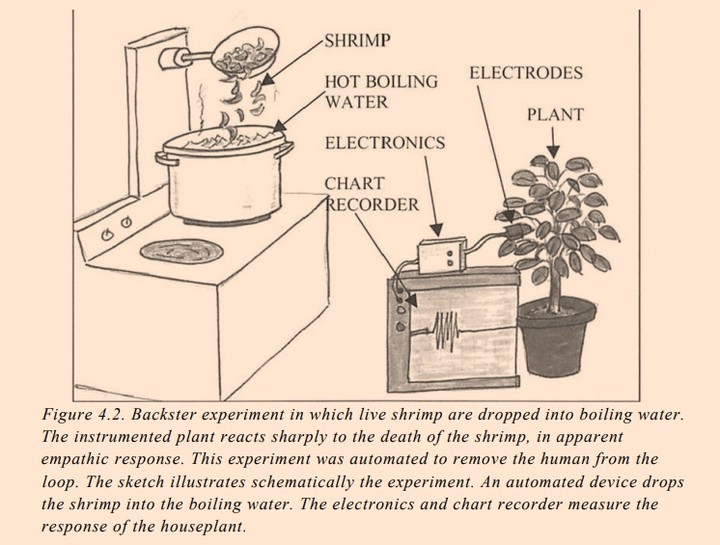
A further dimension often ignored in vegan arguments comes from Cleve Backster’s famous experiments with plants. Backster demonstrated that plants not only register pain but also show a remarkable capacity for empathy. In one experiment, he connected electrodes to plants and merely thought of boiling shrimps alive. The plants reacted wildly—even before any action was taken—suggesting they were aware of the shrimp’s impending suffering.
This implies that plants can, in some ways, be more sentient than animals. For instance, a dog or cat would likely not empathize if you butchered a chicken in front of them; they would see only food. But plants, according to Backster’s findings, showed empathy for other living beings. This challenges the assumption that abstaining from animal consumption eliminates suffering. Plants, too, feel pain and perhaps even more nuanced forms of awareness.
Cycles of Life and Death
Life and death are not opposites, but two sides of one cosmic rhythm. Every death gives rise to more life, and every act of life feeds on death in some form. Whether we acknowledge it or not, this is the unbroken cycle sustaining existence on Earth.
This is why the absolute practice of Ahimsa (non-violence) is not technically possible in this Yuga/Kalpa. In hidden chapters of human history, there was a time when humanity lived without the need for food. There was a time when we partook of mana from heaven, much like the “elven bread” in Tolkien’s mythology. There was an age when breath, sunlight, and prana alone were enough to sustain us.
Even within Jain philosophy, which extols Ahimsa to the highest degree, breatharianism is recognized as imperfect — because every breath draws in microscopic life. Each inhalation carries particles of existence: bacteria, spores, fungi. Science tells us that the average breath contains around six fungal spores. So even in breathing, we take in life and transform it for our survival.
This is the nature of embodied existence: one form feeds another. The cycle cannot be escaped within this corrupted realm. The Gnostic texts describe how a parasitic force infiltrated our world — a distortion that ensured suffering and death would persist as the cost of embodiment. This corruption made life a perpetual exchange of sacrifice.
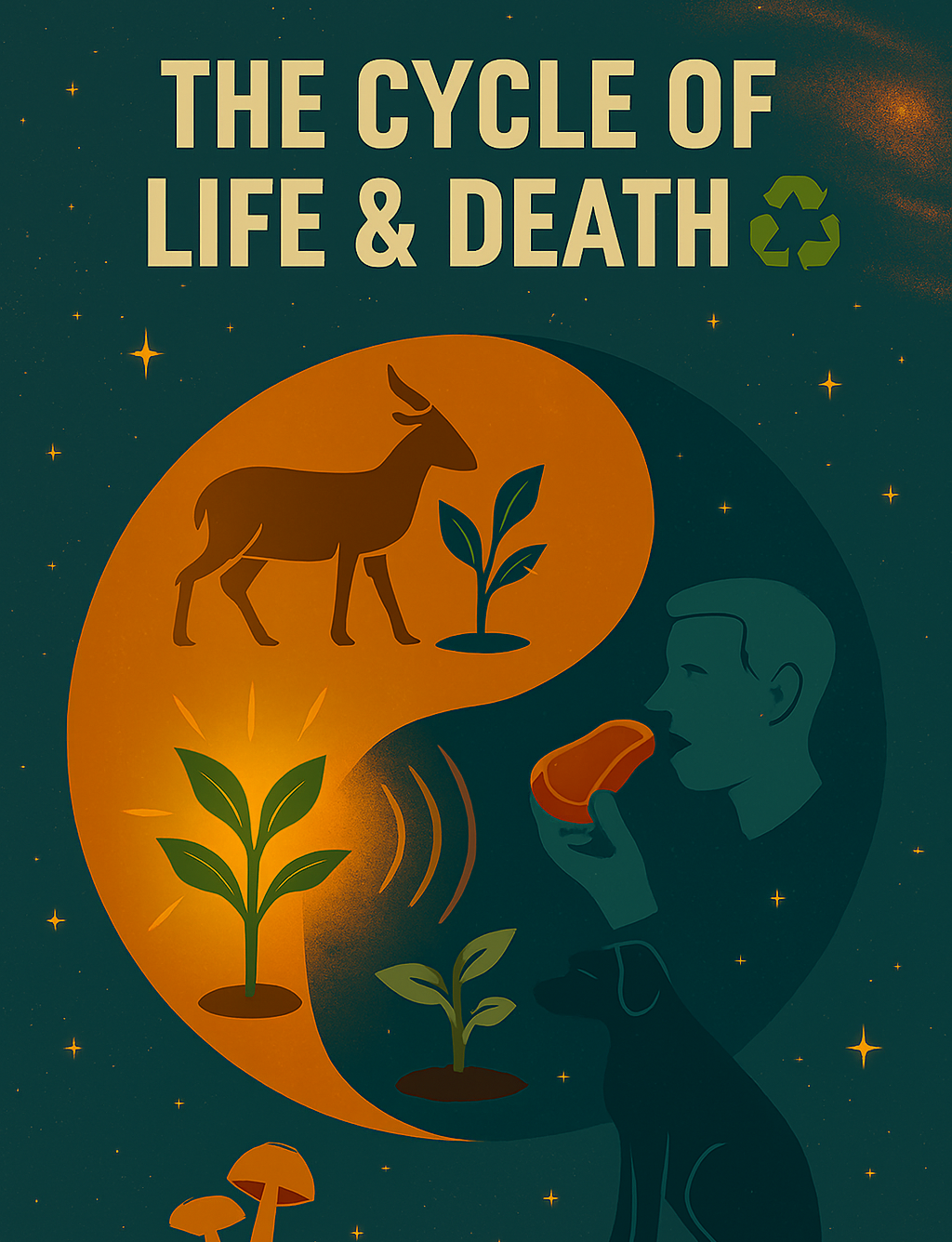
Life on Earth is built on cycles of life and death. The real issue isn’t eating animals vs plants—it’s how we produce food.
To eat plants is to kill. To eat animals is to kill. To breathe is to consume. To exist in a body is to partake in this cycle. Denying this truth in the name of purity is to turn away from reality. Veganism, vegetarianism, carnivory — all are expressions of the same law: survival on earth requires participation in the death of some kind.
What matters, then, is not the fantasy of escaping death, but how consciously we enter into this exchange. To acknowledge the pain of plants, the suffering of animals, even the unseen sacrifice within every breath, is to step into a deeper honesty. To honor what we consume is to remember that all life feeds upon itself — and that only through death does life continue its endless renewal.
Those who preach Ahimsa often fail to recognize that life on earth is built upon cycles of life and death—dualities that sustain existence. Yes, the current system of factory farming is deeply problematic and needs to be replaced with more ethical, natural, and sustainable methods of raising animals. But it is wrong to claim that eating animals, in itself, is inherently violent in a way that plant consumption is not.
The truth is that suffering exists across all forms of food production. For instance, crop farming kills countless small animals—bees and other pollinators, rabbits, rodents, squirrels—when they intrude upon monoculture fields.
Nature does not operate in monocultures; only humans do. Sustaining monocultures requires vast amounts of pesticides and insecticides, which in turn kill vast numbers of life forms. Thus, large-scale vegan agriculture carries its ethical contradictions, no less than factory farming does.
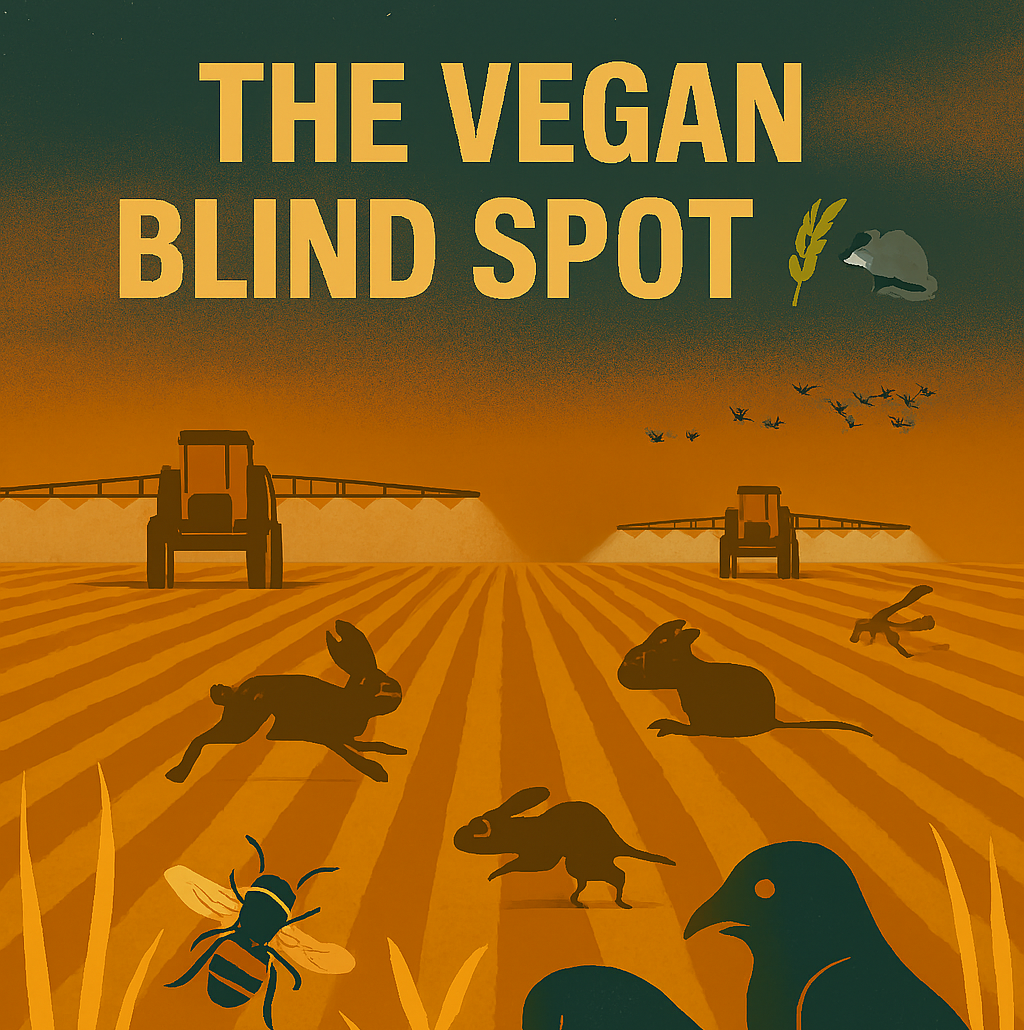
Monoculture crops kill just as many lives—rabbits, rodents, bees and other insects, entire ecosystems. ‘Vegan’ agriculture isn’t free from suffering either.
Conclusion
When we examine history, human biology, plant sentience, and agricultural practices, it becomes clear that the vegan argument for absolute Ahimsa oversimplifies reality. Both animal and plant life involve consciousness and suffering. Both factory farming and monoculture crop production create large-scale destruction.
The real issue, therefore, is not about eliminating harm altogether—a futile goal—but about striving for balance, ethics, and natural harmony in how we source our food. Only then can humans, by recognizing their own rights and responsibilities, extend genuine dignity to all living beings.
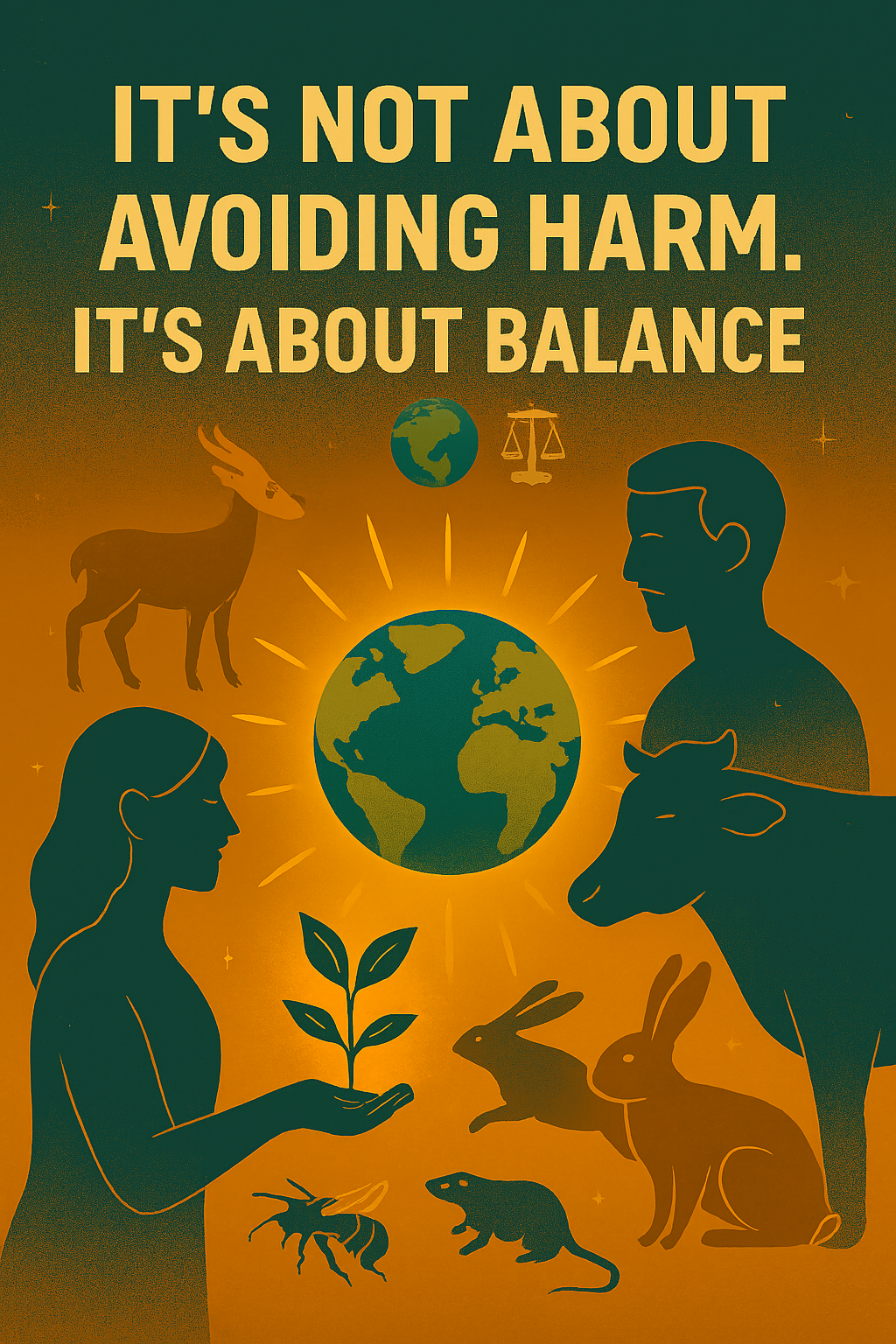
Animals get rights when humans understand their rights.
Thanks for reading Harsh’s Substack! Subscribe for free to receive new posts and support my work.
Originally published on Substack — view source