September 8, 2024
What cats and dogs ought to eat
The optimal species appropriate diet for cats and dogs explained.
There are many differences in feeding cats and dogs. First, the similarities: domestic cats and dogs have not changed much from their wild feline and canine counterparts. The ideal diet for your pet cat resembles what a lion, tiger, or cheetah eats in captivity, while the ideal diet for your pet dog is similar to what a wolf or wild canid consumes. Both require raw, fresh food prepared by humans, not processed kibble from a bag. Kittens, puppies, lactating, and pregnant cats and dogs, being in the growth phase, need to be fed multiple times a day. Both species need mental stimulation through playtime and walks with plenty of sniffing. They also need fish or brain for omega-3s since prey animals no longer consume grass.
As someone who owns both cats and dogs, here are some key differences in raising them:
Thanks for reading Harsh’s Substack! Subscribe for free to receive new posts and support my work.
**Dogs (Omnivores)
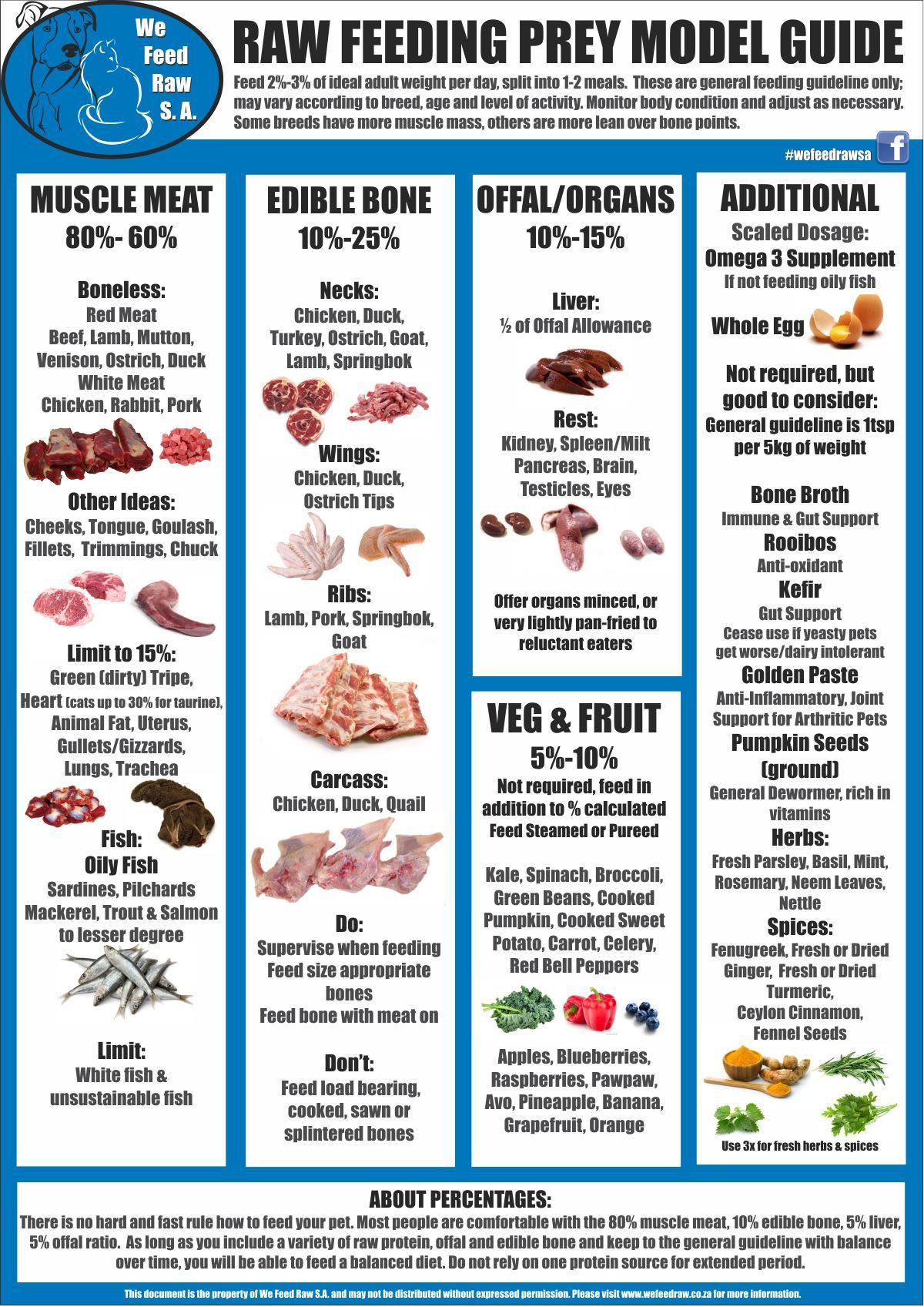
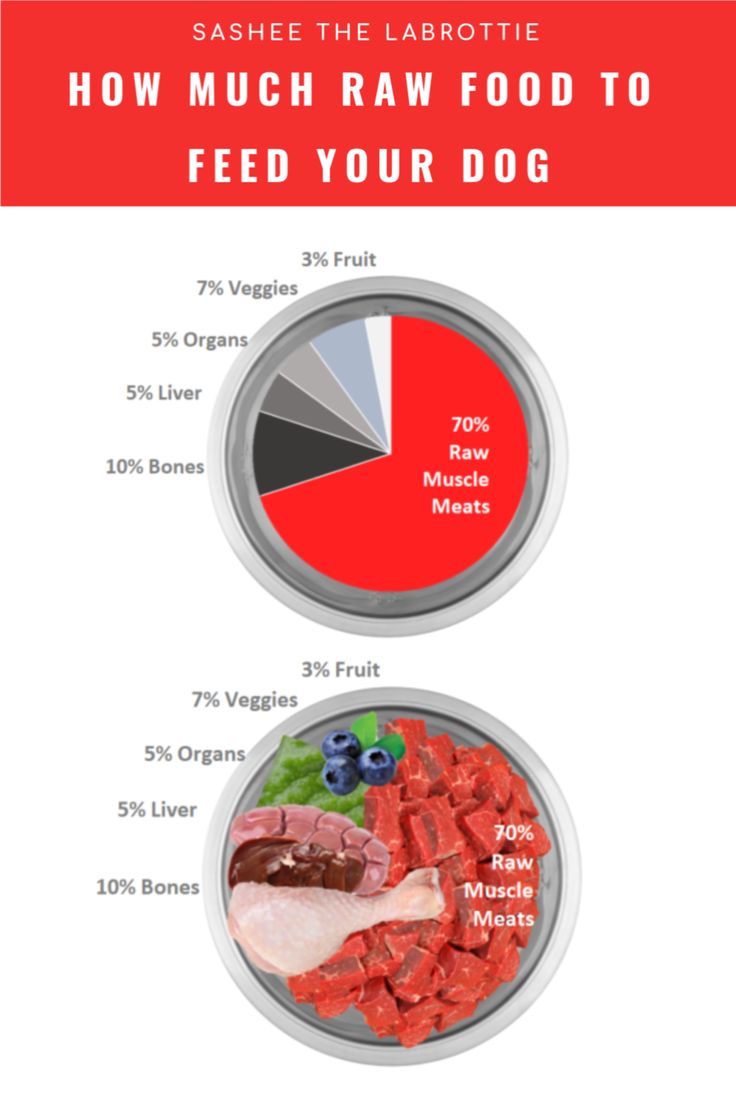
**- Their diet should include a small amount of plant matter (10%) to mimic the stomach content of their prey.
- They should be fasted at least once a week.
- Dogs should be fed large meals less frequently, as their stomach works best when expanded.
- Adult medium and large dogs can be fed once a day, with an optional snack before bed or first thing in the morning.
Cats (Obligate Carnivores)
- Cats need none or less than 2-5% plant matter, although some cats benefit from a pinch of psyllium husk for fiber.
- Cats cannot be fasted as they will begin breaking down their own muscle for energy.
- They need to be fed small meals more frequently since their stomachs are not suited for large meals.
- Adult cats should be fed 2-3 times a day.
Feeding Raw to Dogs 101
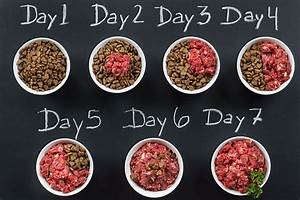
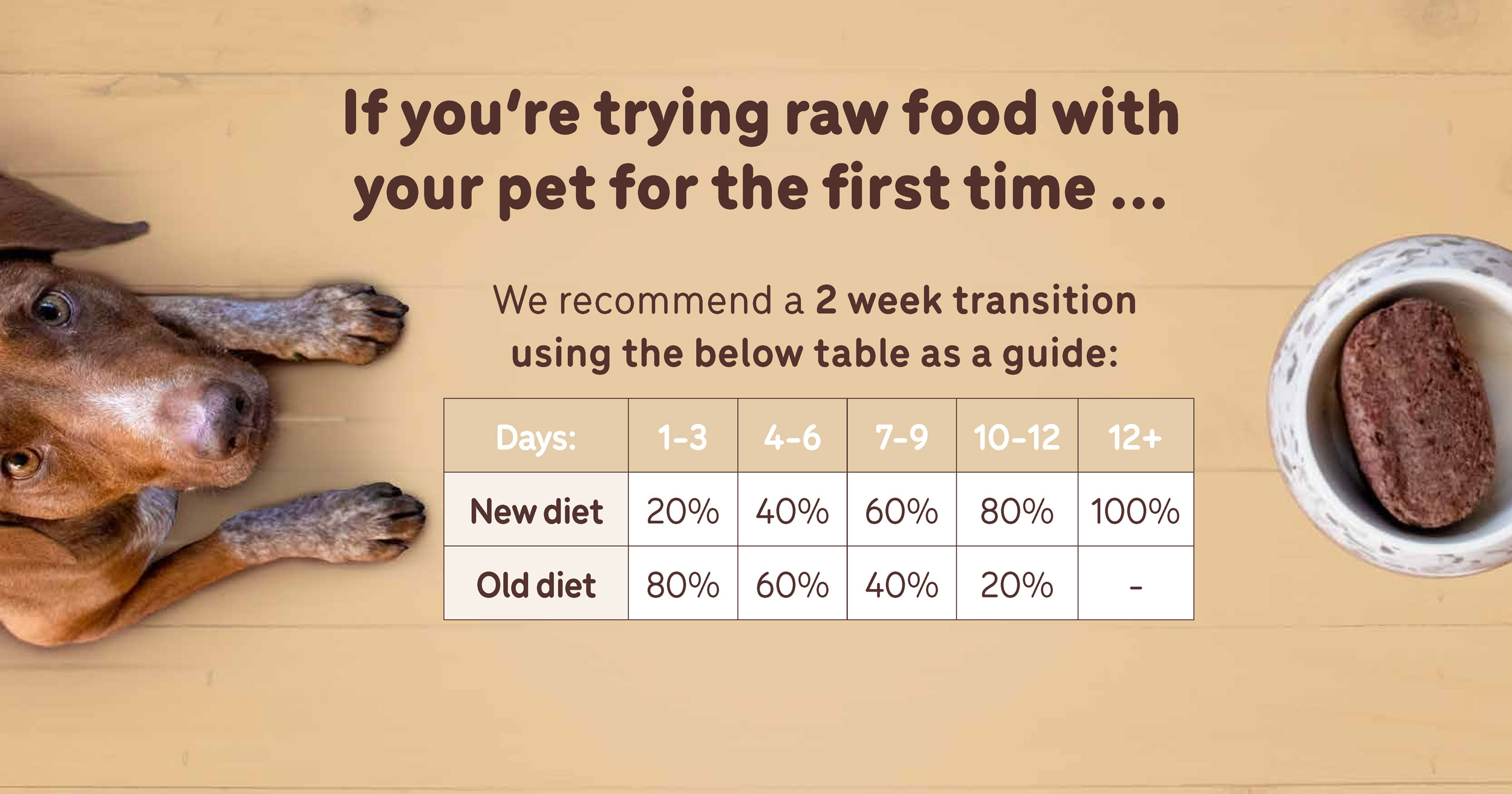
Many people feed dogs as they would cats. However, constantly feeding your dog doesn’t allow its stomach to rest, leading to a sluggish liver. Feed your dog its daily portion in one or two meals only. If currently feeding kibble or supplementing a homecooked meal with kibble, gradually reduce the kibble and replace it with raw meat.
What to Buy
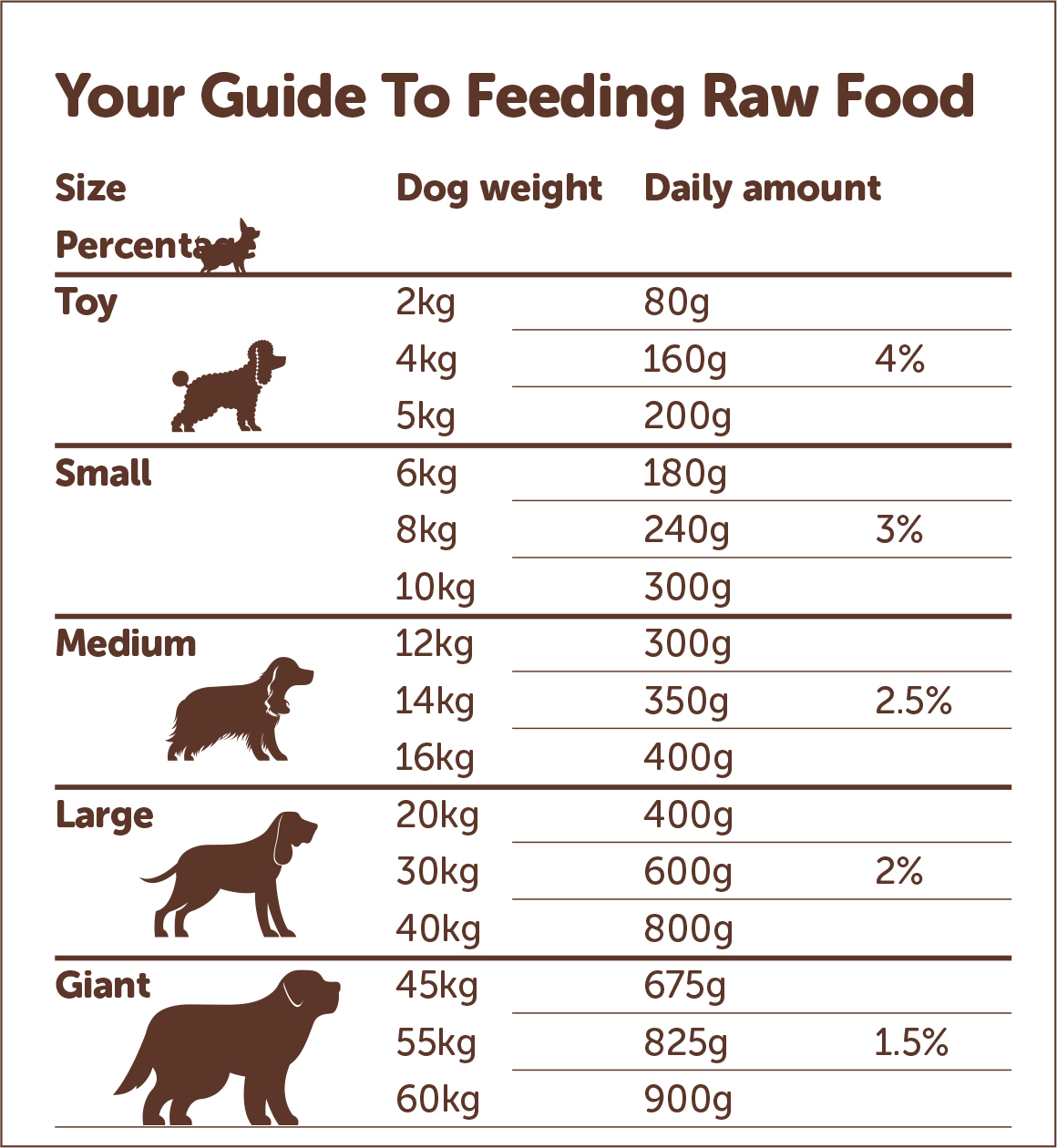
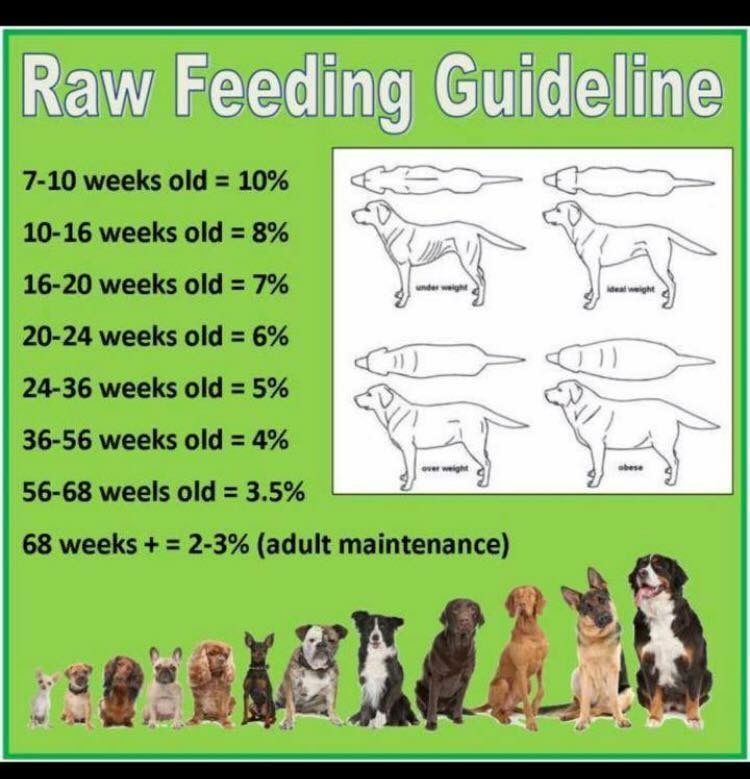
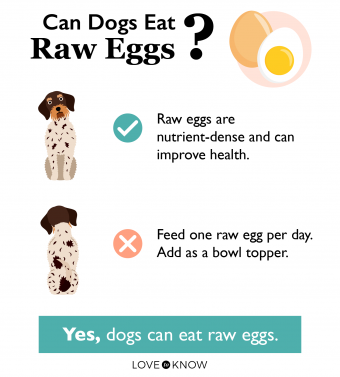
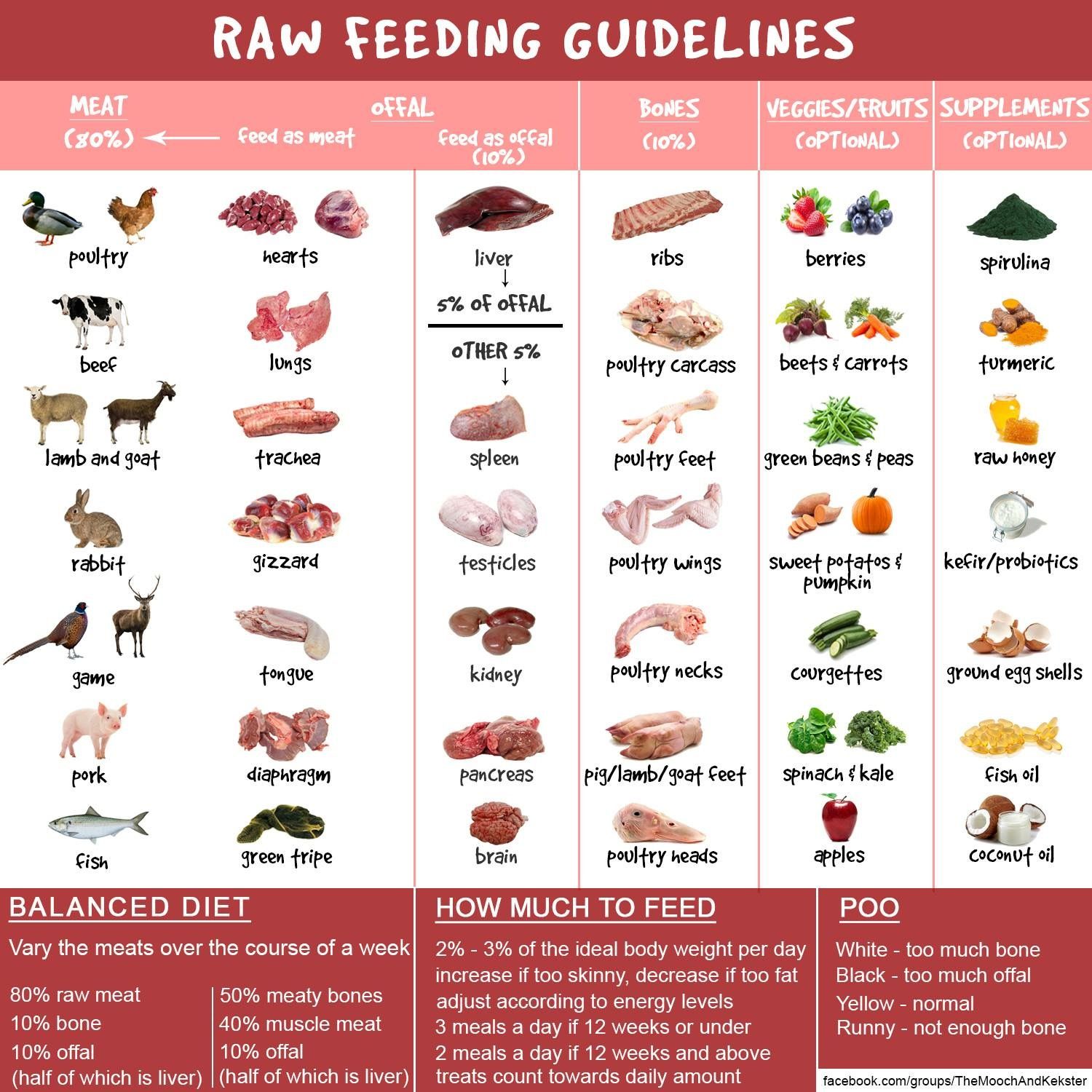
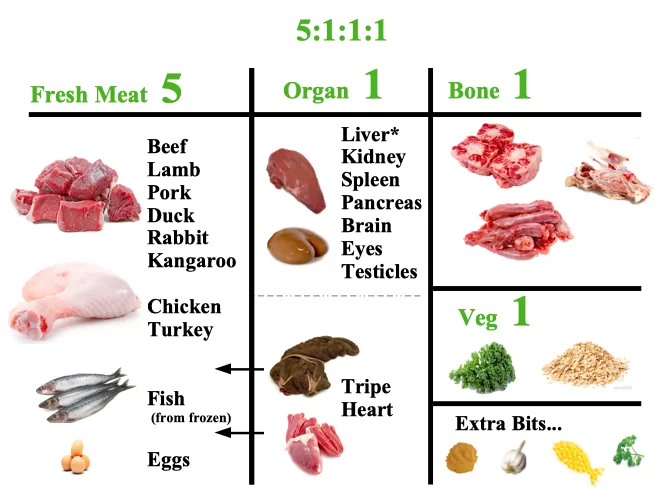
Many places that sell human-grade meat also provide the supplies needed to feed your dog. Feeding only meat can cause imbalances, so it’s important to include organs, eggs, and vegetables/fish. Supplements are used to counter the lack of minerals and nutrient loss during procurement and storage. Coming from a vegetarian household, I learned to handle meat for my pets and recognized the benefits of a raw diet. It’s easier to follow percentages than weights, though you can use a scale for precision. Most homecooked diets lack protein, so start by feeding two eggs per dog each day. A lifetime of high-carb diets can make dogs’ stomachs more alkaline than the optimal acidic environment needed to break down meat. Transition gradually to avoid upset stomachs.
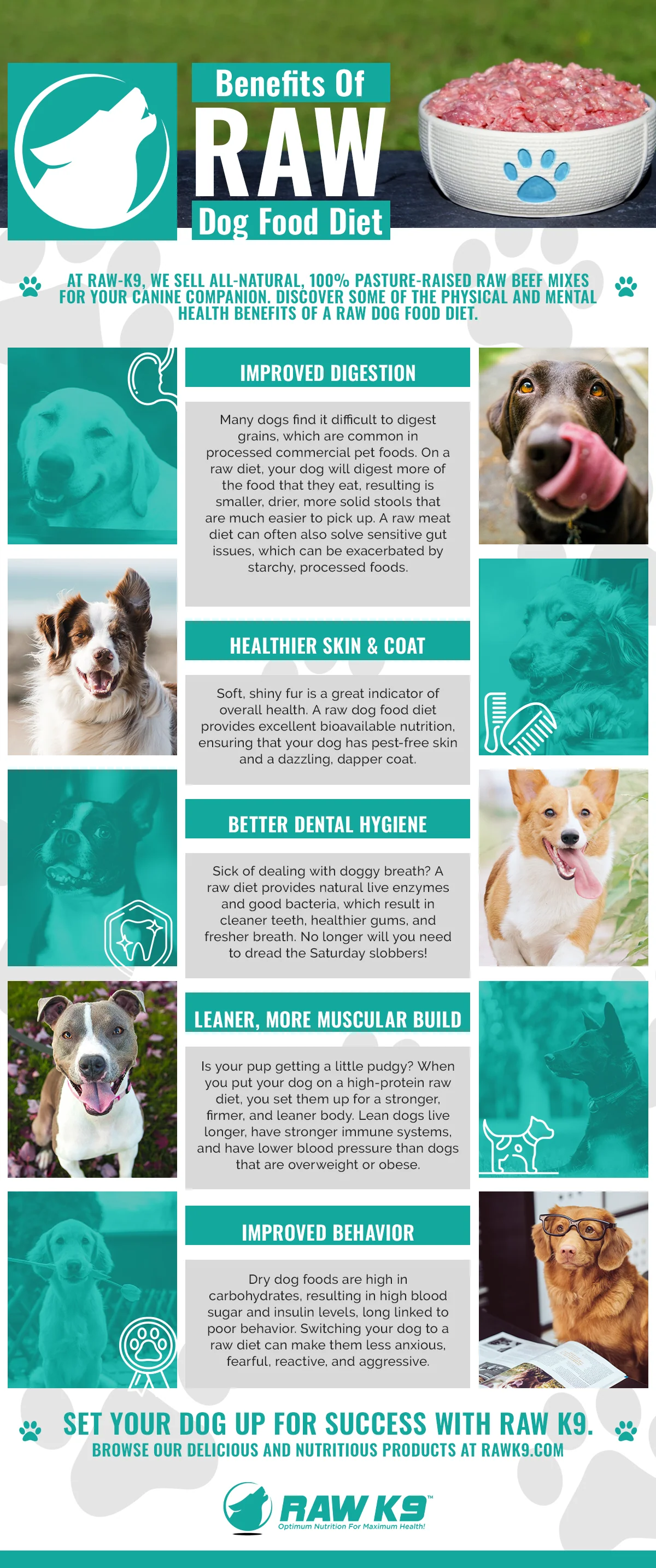
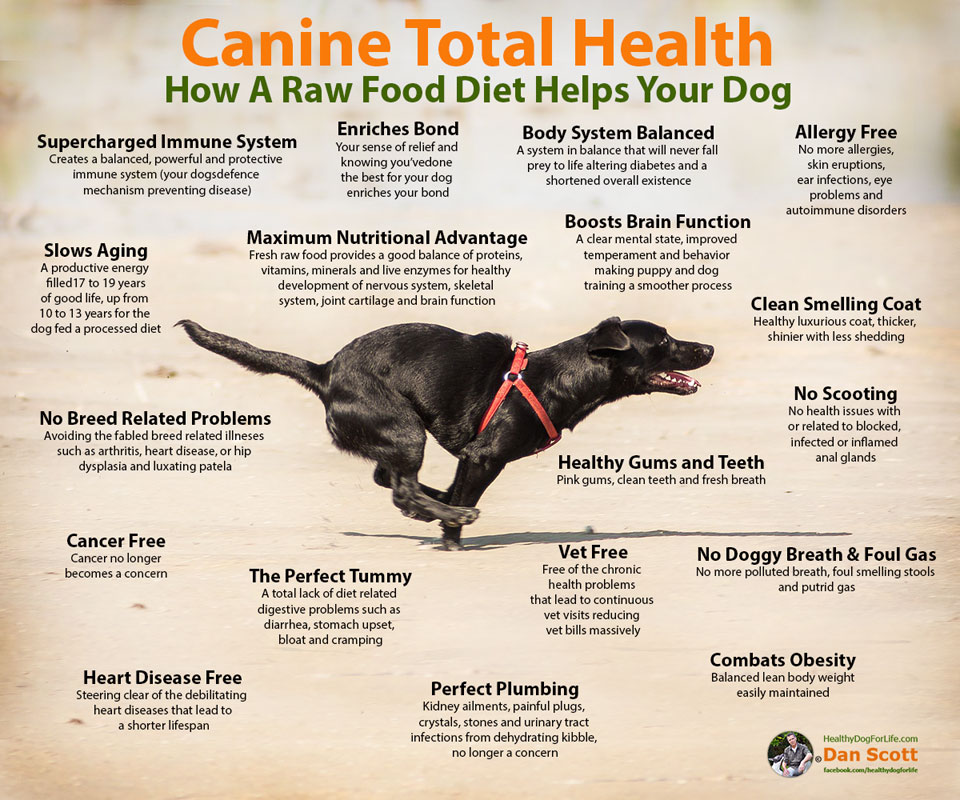
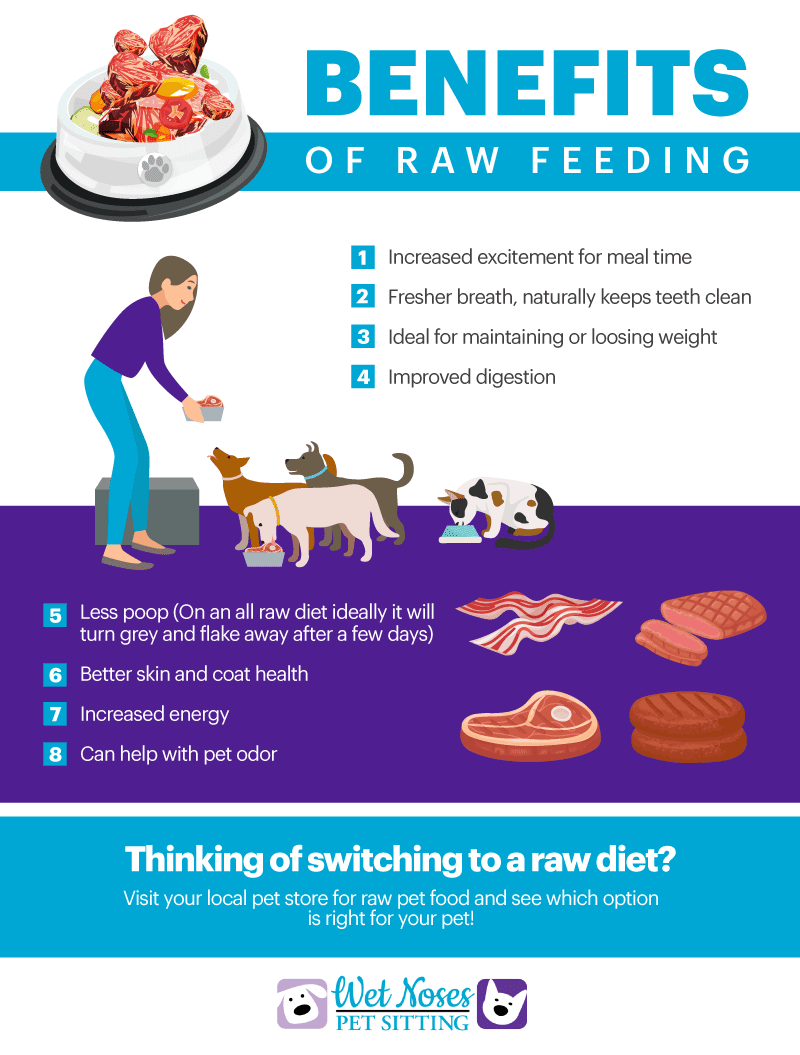
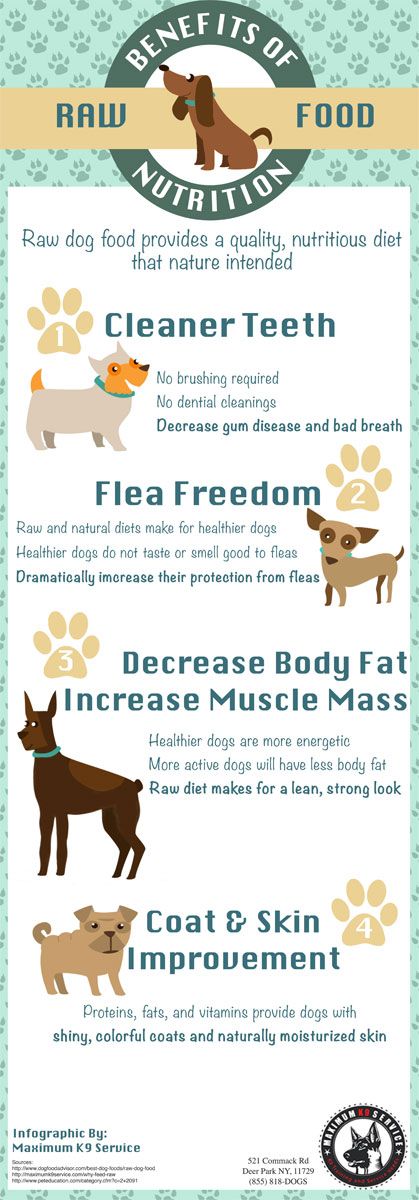
Here are some reliable infographics on feeding raw to dogs:
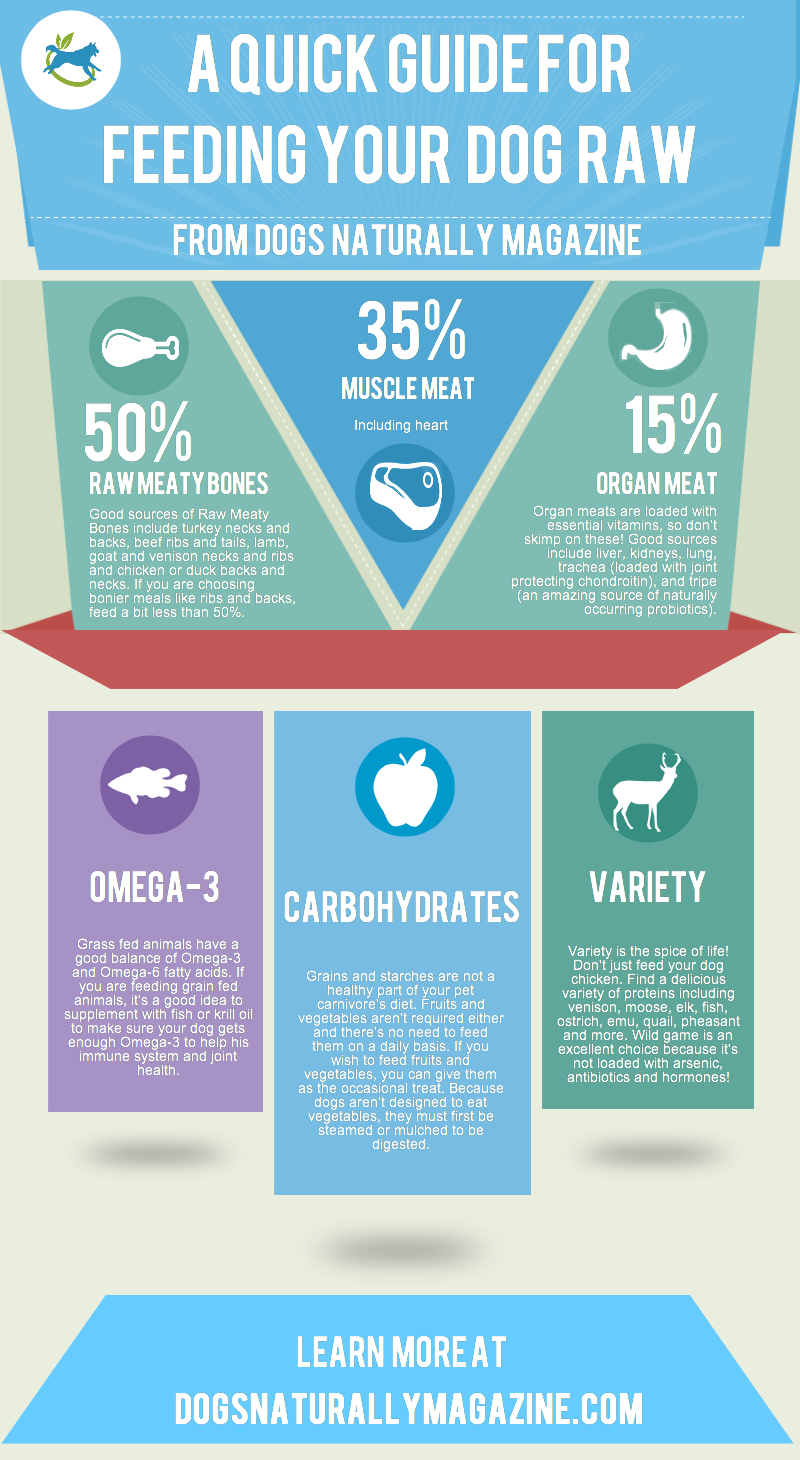
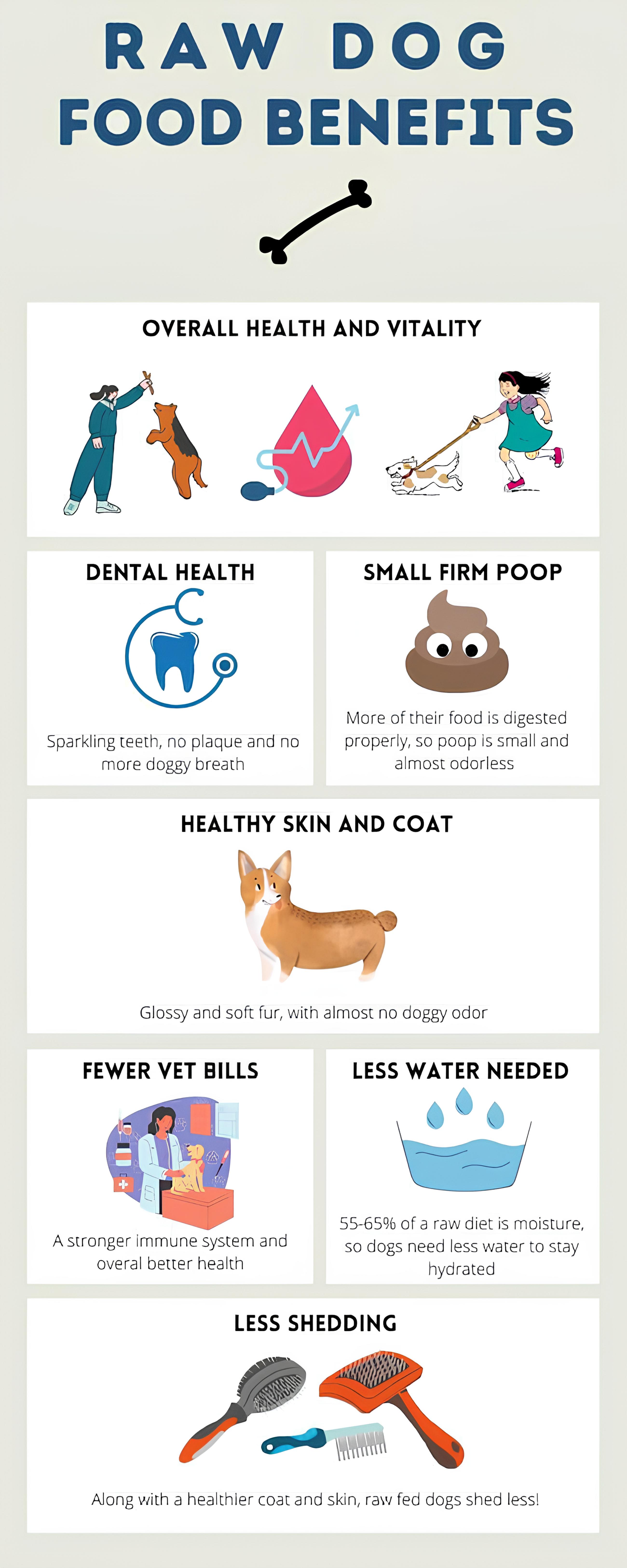
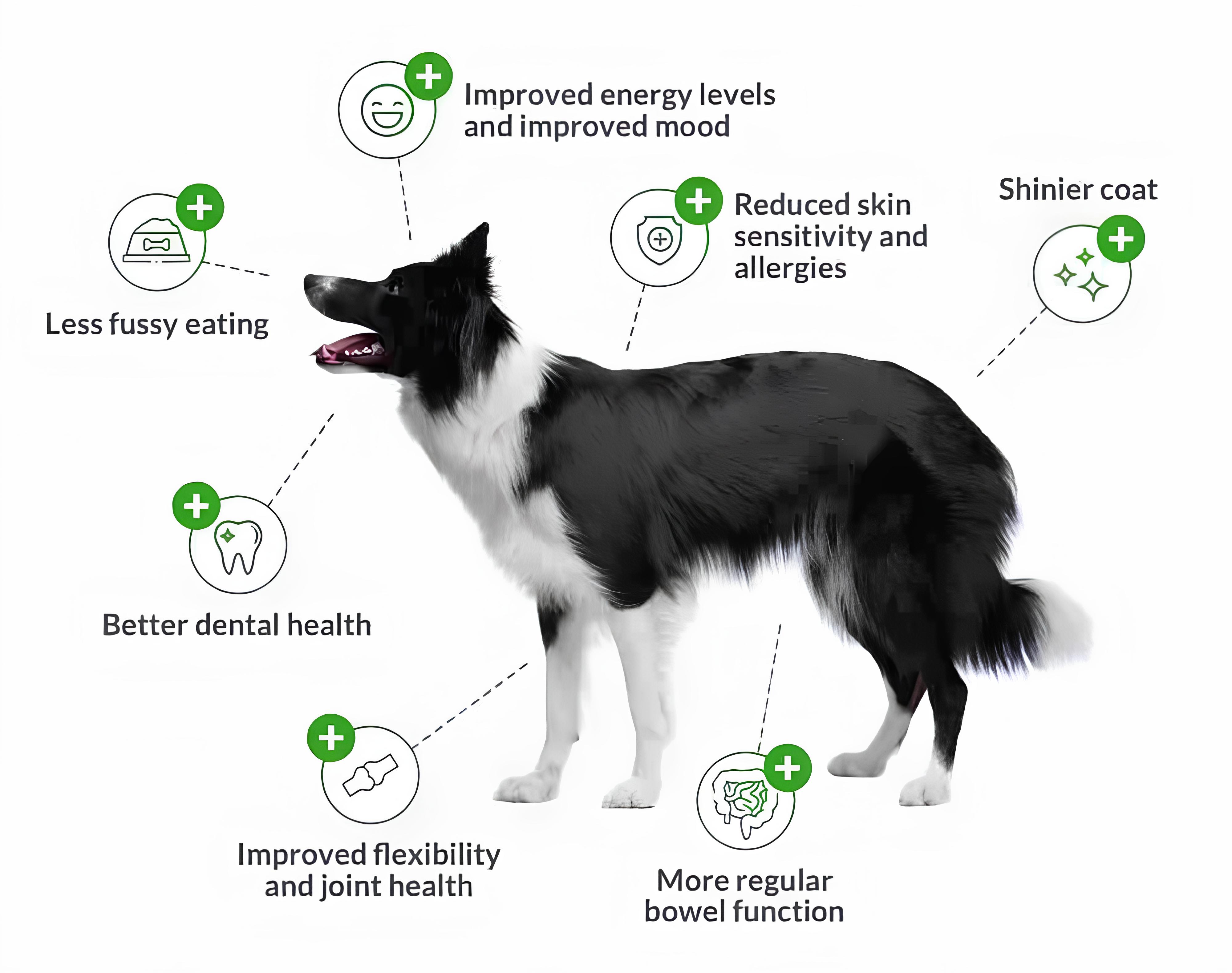
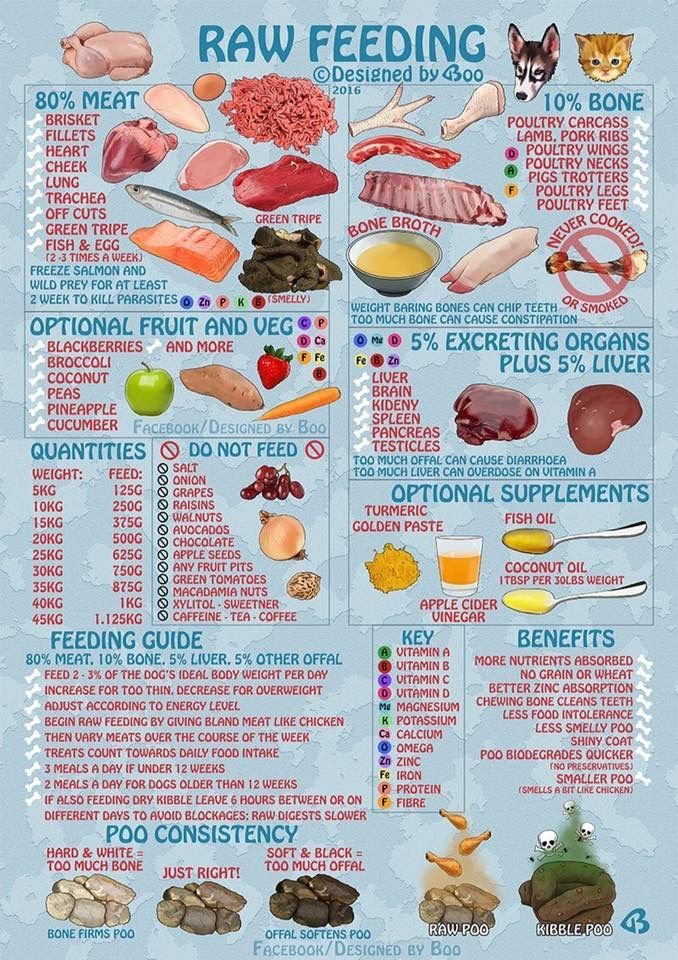
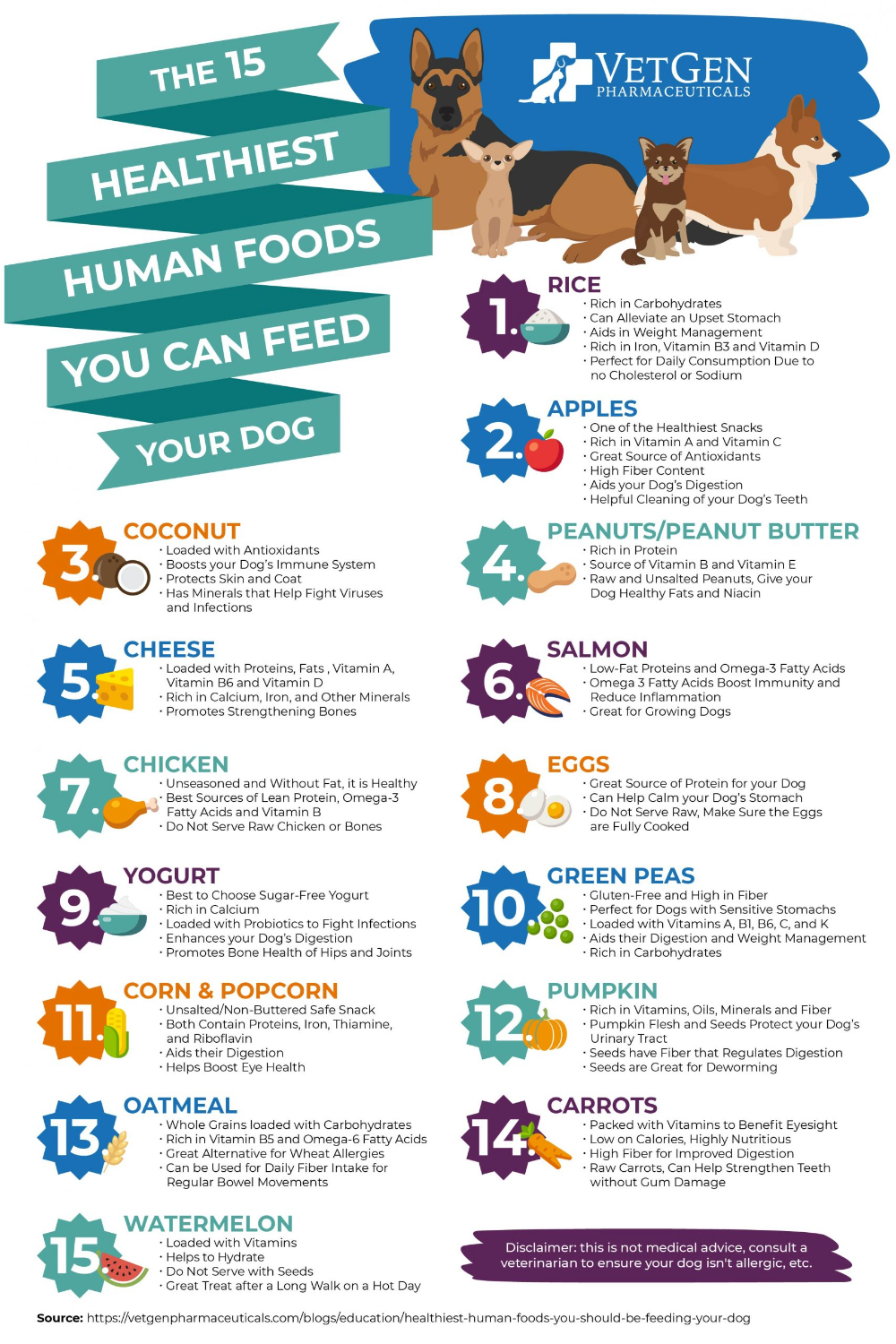
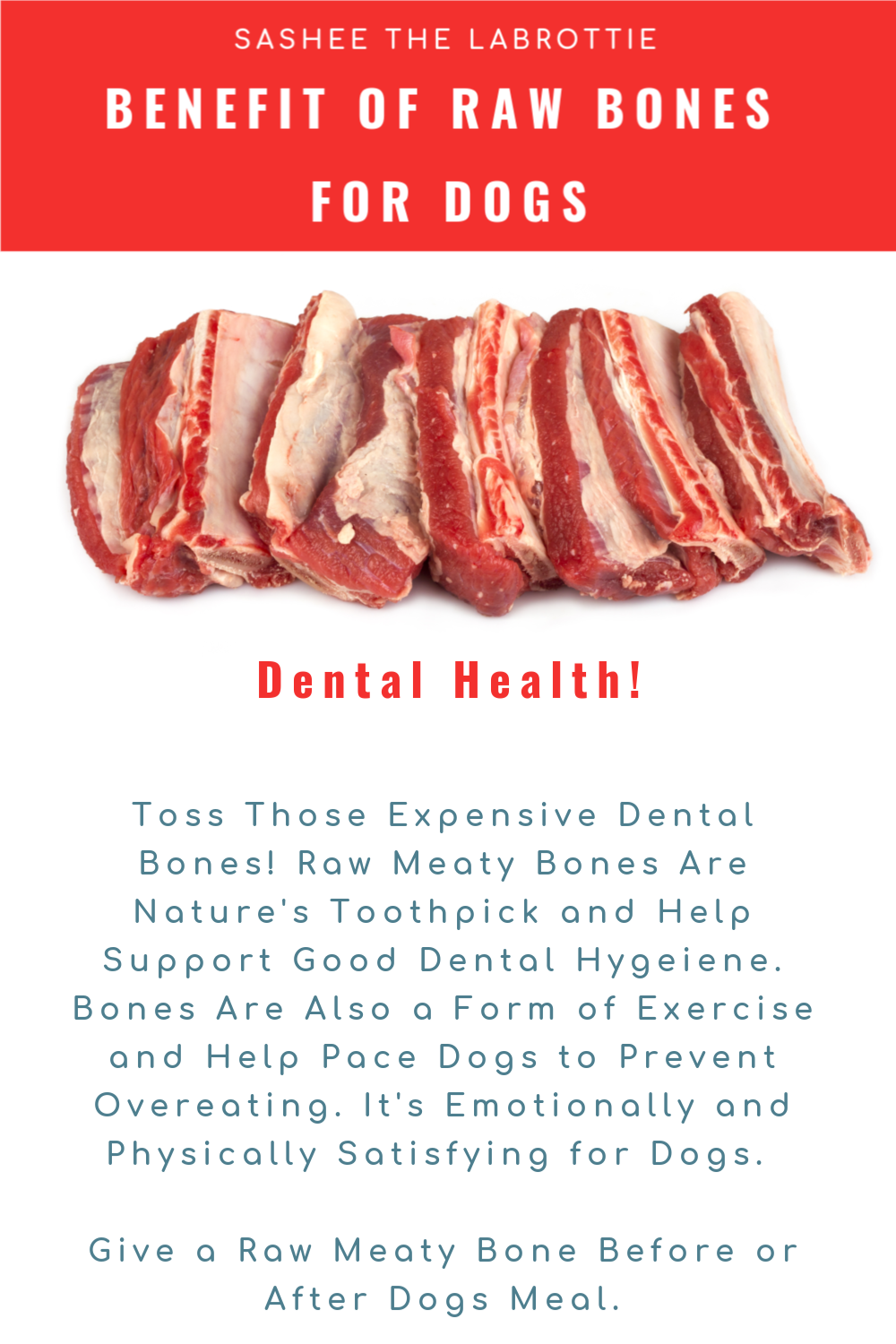
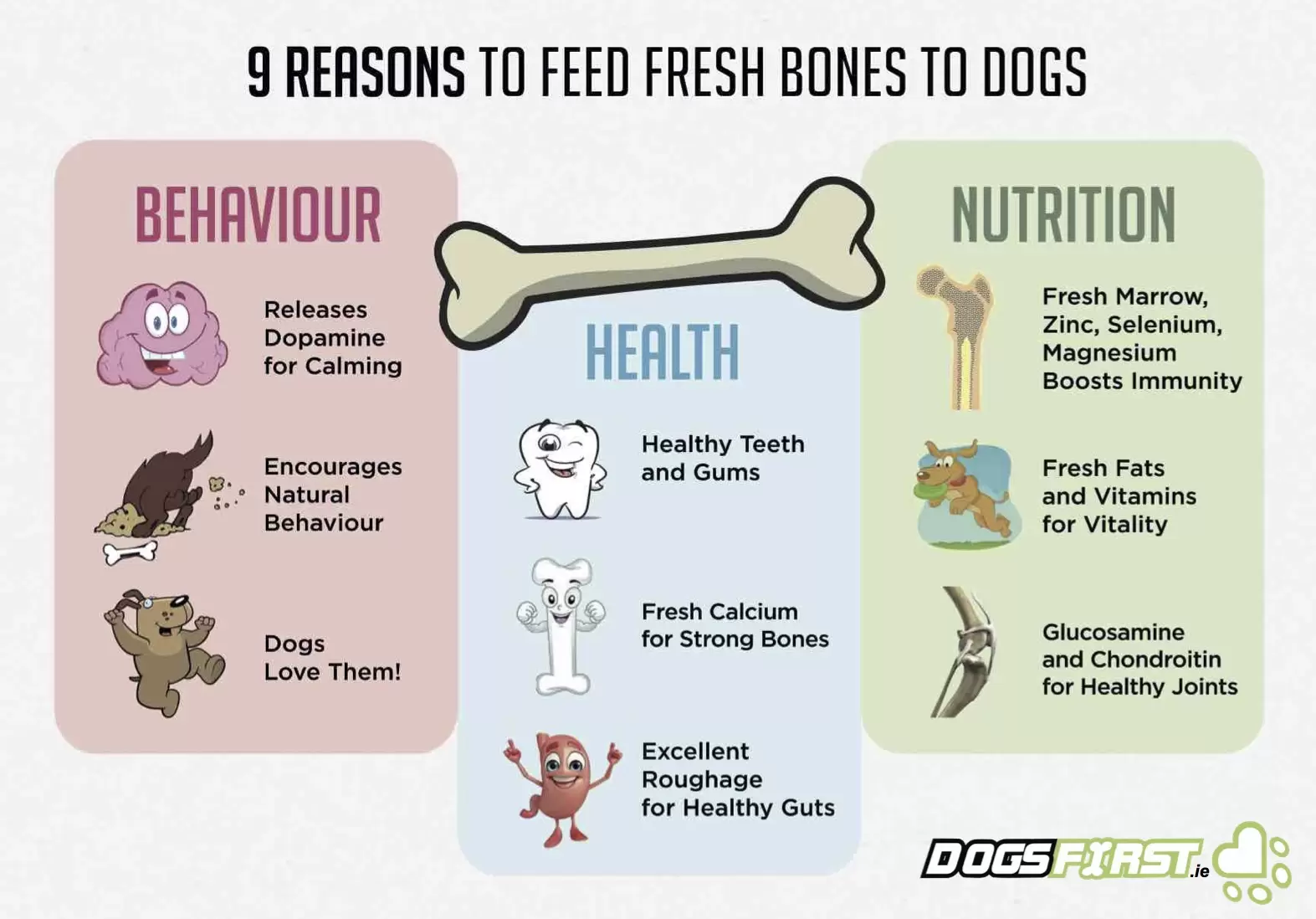
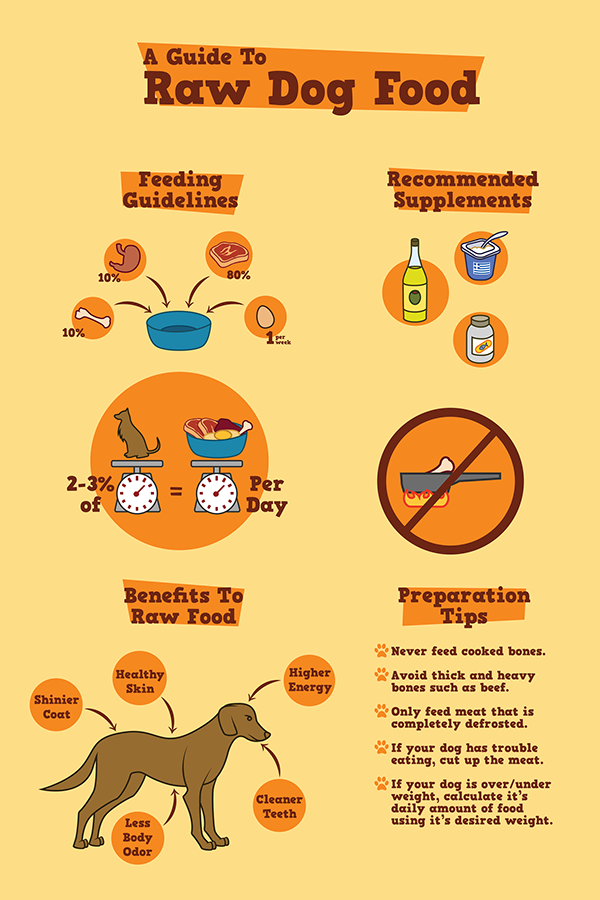
I’m putting finishing touches to my book on raw feeding dogs, meanwhile I’ve recently published an ebook on raw feeding cats which you can get here.
My posts here will be free. If you’s like to support me, you can buy something from Wholydrops store or the apothecary.
Thanks for reading Harsh’s Substack! Subscribe for free to receive new posts and support my work.
Originally published on Substack — view source