September 25, 2024
Why our pets are sick & what to do about it.
If veterinarians were truly intelligent they would admit these truths...
If you own a dog or cat that you feed with processed food from the supermarket or corner store, you might find this article deeply disturbing. However, you should read it — you owe your pet that much at least. At the root, three major factors currently impact the quality and longevity of pets’ lives worldwide: Food, Vaccinations, and Unnecessary Pharmaceutical Interventions (from anti-flea and parasite medications to early neutering/spaying). This article delves into the consequences of an inadequate diet for dogs and cats.
Nowadays, most pet owners provide their animals with processed pet food. Although convenient, such a diet is likely to cause significant health issues and suffering over time. The signs of ill health may not be apparent to many owners. But consider this: Is it likely that an omnivore—opportunistic hunters and scavengers who evolved on a diet of animal carcasses—will thrive on bland processed food without bones, fresh grass, vegetables, or fruit? In “De Alimento,” a text by Hippocrates, there is a statement that reads, “In food excellent medicine can be found, in food bad medicine can be found; good and bad are relative.” This could be interpreted as: Some foods can cure disease, while others can cause more illness. This statement can also be applied to the food we feed our dogs.
Thanks for reading Harsh’s Substack! Subscribe for free to receive new posts and support my work.
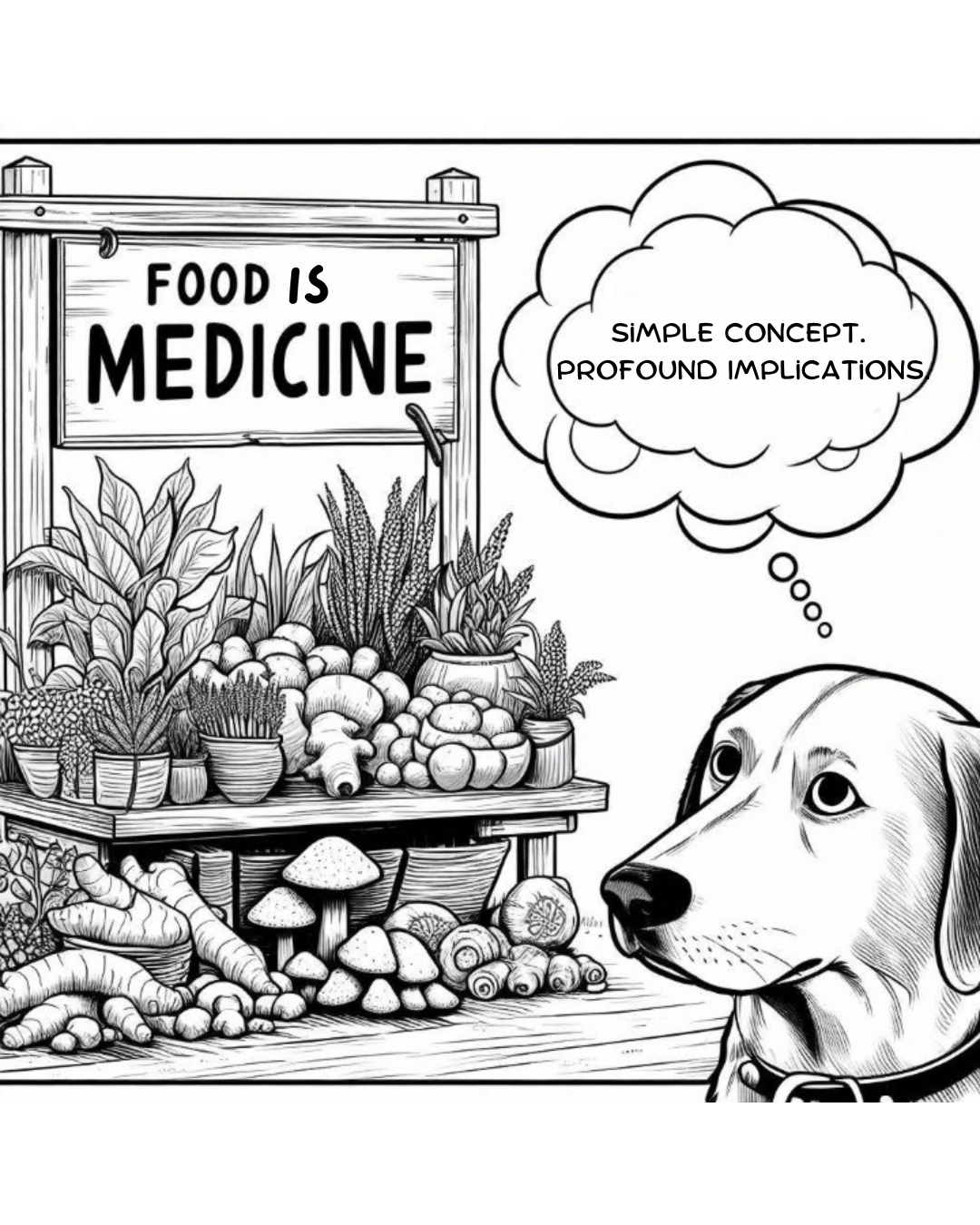
For decades, the veterinary profession has collaborated with large pet food manufacturers to encourage pet owners to feed their pets highly processed foods lacking high-quality, human-grade ingredients. “Prescription diets” routinely prescribed by veterinarians are marketed to cure and prevent disease, misleading unsuspecting pet owners into believing these diets can actually heal their pets. If these diets are so effective, why are we seeing more chronic inflammatory diseases, allergies, endocrine diseases, diabetes, and cancer in dogs? In reality, when dogs are fed real food, whole foods, and human-grade foods, the transition from disease to good health is nothing short of a miracle.
Unfortunately, most veterinarians have minimal training in nutrition. The syllabus, vaccination protocols, and textbooks in veterinary schools are outdated. Conventional veterinarians are still practicing with are still practicing with vaccination protocols and science that were disproved 65 years ago. Most professors and faculty in veterinary colleges are on the payroll of pet food companies and pharmaceutical companies. They believe in the myths that dogs must be fed the same processed food every day for life and that every meal must be ‘complete and balanced’ to achieve good health. Until veterinarians see the value in feeding fresh food to dogs, they will remain steadfast in their beliefs. Often, it is up to the pet owner to take the initiative and make changes toward a better diet to improve the health of their dog.
This series of articles is designed to empower owners to make changes in their pet’s diet that improve health and longevity. Meal boosters and toppers are a great starting point, allowing owners to see if their dog has preferences for certain foods and building confidence to eventually transition to completely home-prepared meals. For those who dislike math, don’t worry — you only need to do the math once! I’ve done the work for you!
Veterinarians who are not comfortable designing diets for their patients can use this series as a guide to help pet owners get started. While many people prefer processed, packaged ‘complete and balanced’ foods, I believe that the push by intelligent pet owners for better nutrition, quality of life, and longevity will eventually drive change. The pet food industry today exemplifies a conscienceless modern business, prioritizing profit above all else. The goal is to produce an ultra-cheap product and deceive consumers into thinking it has value. Dog biscuits have a murky history, and the repercussions of their creation continue to affect pets today.
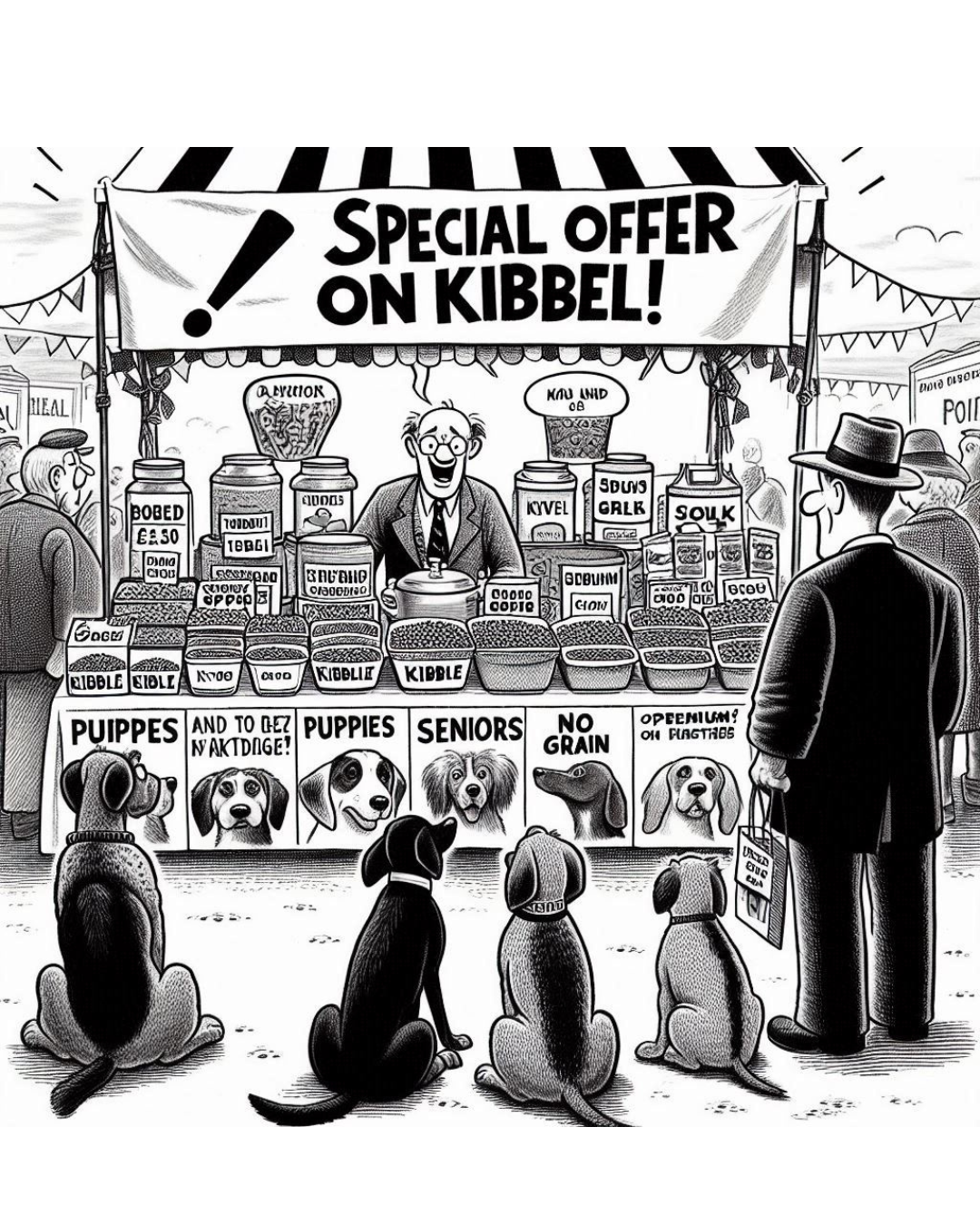
THE HISTORY OF BIG KIBBLE AND HOW IT’S MADE
Dogs have been companions to humans for over 30,000 years. Until about 200 years ago, their diet consisted of the same foods as ours: meat, fruits, vegetables, leftovers, meat scraps, and wild game they hunted.
In the late 1800s, an electrician named James Spratt saw some stray dogs eating hardtack. Hardtack was a dry, hard cracker or bread-like food made from flour, water, and sometimes salt. It was popular among sailors because it wouldn’t spoil and helped curb hunger on long voyages. Seeing a huge market gap, Spratt decided to create his own version of hardtack for dogs, aiming to fill his pockets with money. Thus, Spratt’s Dog and Puppy Cakes were born. His version was made from flour, beef blood, beetroot, various vegetables, and mystery meat of unknown origin.
Hardtack was not very nutritious and was difficult to eat, but this didn’t stop Spratt from pricing his new formula at an average person’s daily salary for a 50-pound (22.7 kg) bag. He knew the average person wouldn’t be willing or able to pay this much, so he targeted the wealthiest Americans, particularly upper-class hunters and their hunting dogs. Once he convinced them of his food’s superiority, he aimed at average health-conscious pet owners. Spratt began aggressively marketing his biscuits, even taking out a front-page ad in the very first American Kennel Club Journal.
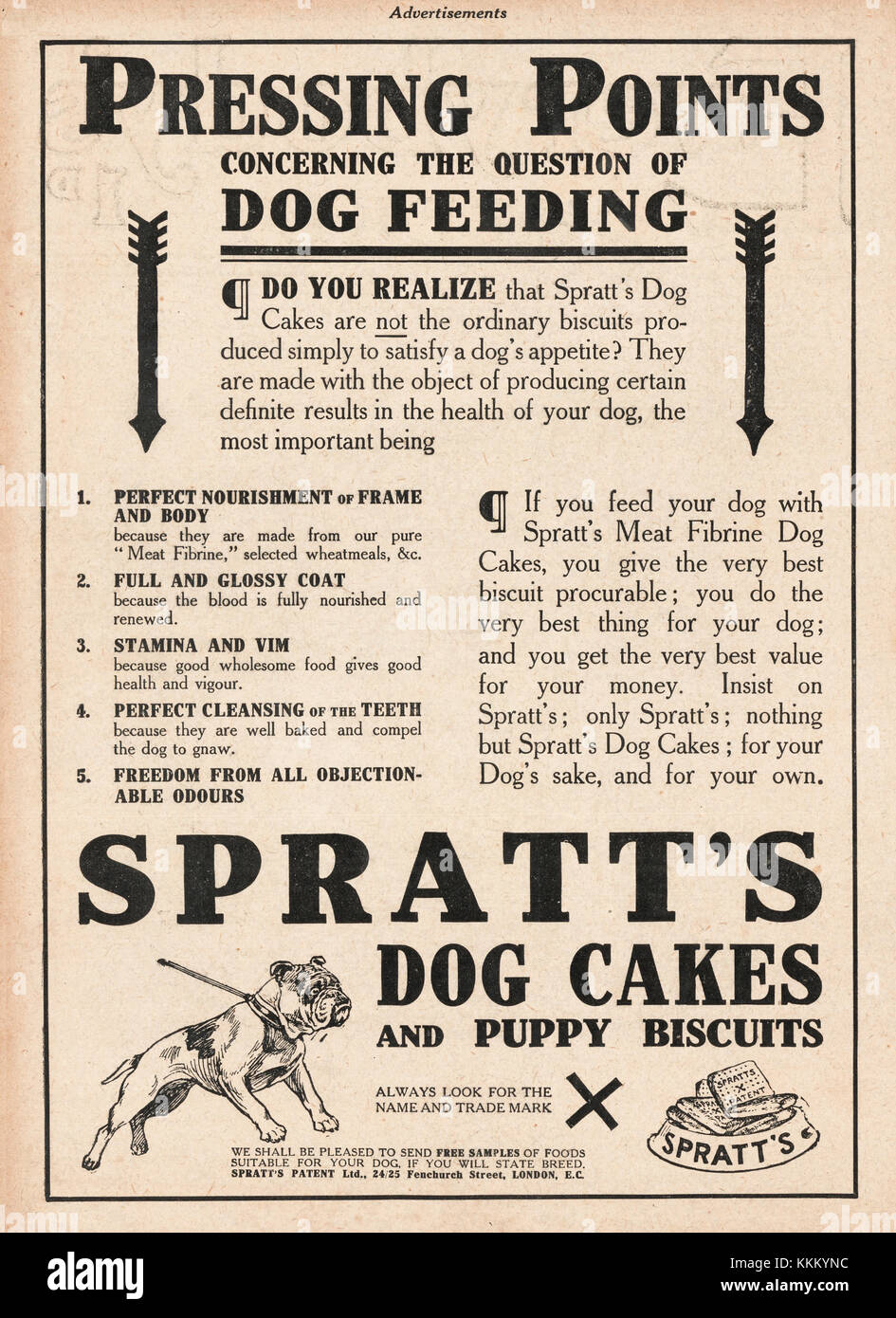
As time went on, Spratt wasn’t finished with the upper-class hunting community. He called upon them to write raving reviews about his product and its benefits, specifically targeting them for their wealth and influence. Within a few years, his marketing strategy succeeded, and most of the nation’s pet owners began feeding his highly processed, not-very-nutritious cakes to their pets instead of the fresh food scraps and homemade meals they used to provide.
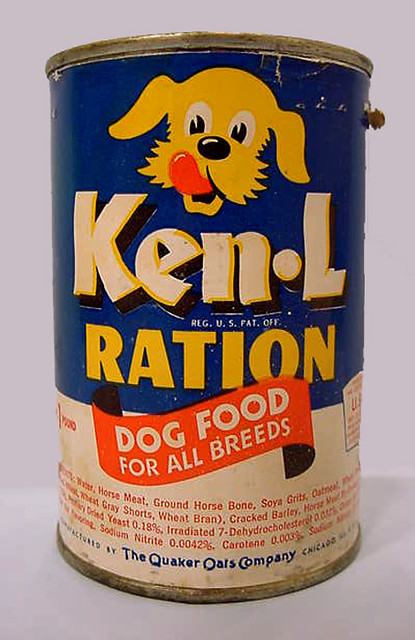
Competitors began to emerge, and new products started hitting the shelves, including canned dog food. In the 1920s, Ken-L Ration became a leader in canned pet food, offering recipes with “lean red meat,” which was actually horse meat. During this time, hundreds of thousands of horses were bred and slaughtered solely for dog food every year. When World War II broke out, metal was in high demand, and canned dog food was deemed nonessential. Consequently, pet food companies had to shift to a product resembling Spratt’s original creation—essentially dry dog food. General Mills acquired Spratt’s business and began making dog food using the same process they used for their cereal (more on extrusion later). This led to the birth of Ralston Purina.
HOW KIBBLE IS MADE AND WHY IT’S PROBLEMATIC
We now know the backstory of how kibble is made. The Global Alliance of Pet Food Associations (GAPFA) states, “Dry pet foods are made by mixing dry and wet ingredients together to form a dough. In the extrusion process, the dough is heated under pressure, then pushed through a die machine that cuts the kibbles. Kibble size and shape vary according to the product specification. The kibbles are dried, cooled, and spray-coated. Some dry foods may also be produced by means other than extrusion, such as baking.” This sounds straightforward, right? However, there’s much more to it, so let’s break down each sentence of the GAPFA statement and discuss what it really means.
“Dry pet foods are made by mixing dry and wet ingredients together to form a dough.” What are these wet and dry ingredients they mention? One of the most unsavory could be what is called 4D meat (dead, diseased, dying, disabled), which is meat from animals that did not die via slaughter. These meats are often sprayed with denaturing chemicals to ensure they leave the human supply chain. These chemicals can be very harsh, such as creosote.
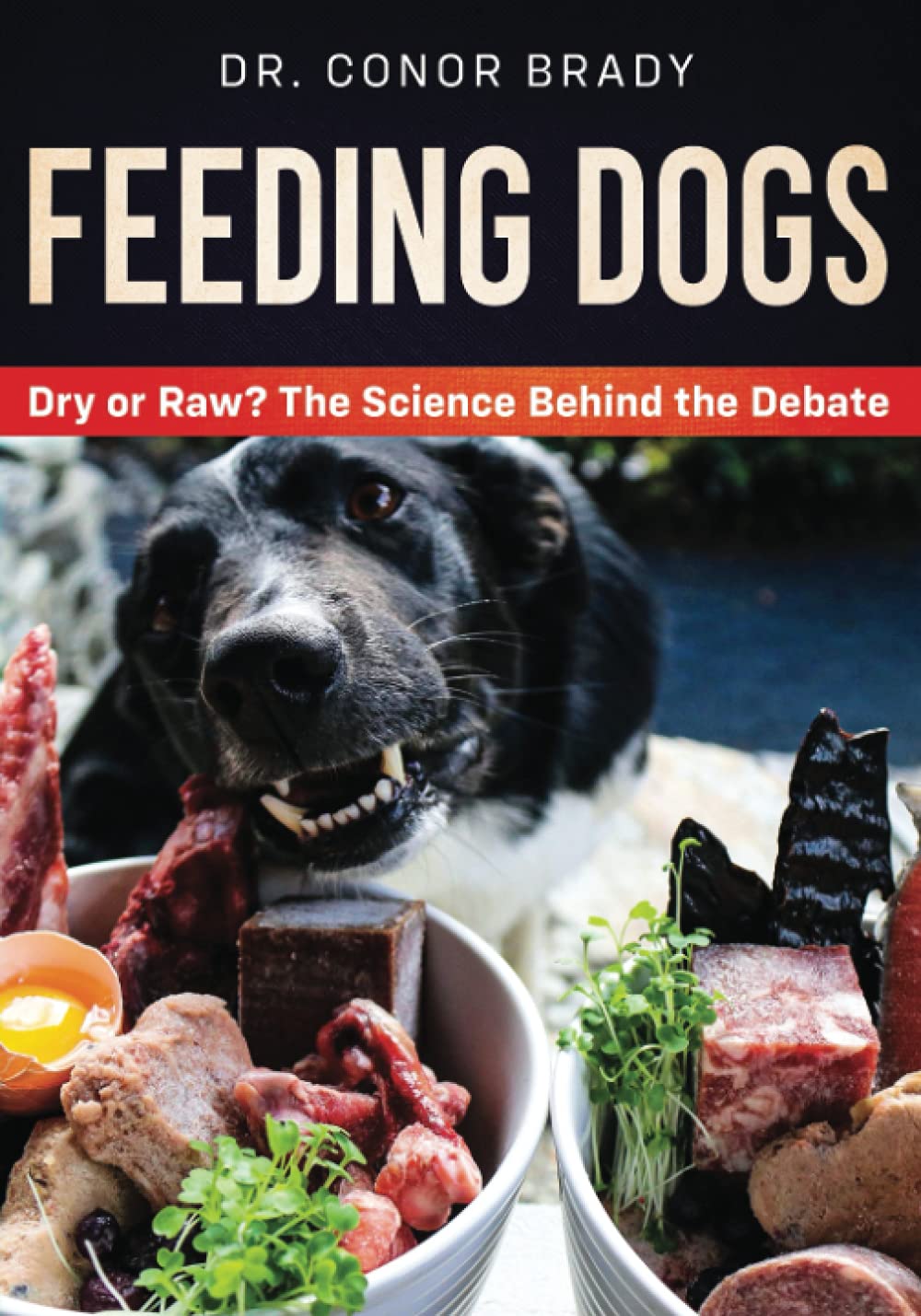
According to Dr. Conor Brady in his book *Feeding Dogs: Dry or Raw? The Science Behind the Debate*, “This denaturing involves covering the meat with any number of toxic substances, creosote being a particularly nasty one. A tar-oil derivative, creosote was until recently used as a disinfectant or to preserve wood but has since been removed from the market due to it being a known carcinogen, as well as causing kidney and liver disease, seizures, skin irritation similar to chemical burns, rashes, mental disarray, and death. Listed as a known poison and carcinogen by the United States Health and Safety Administration, the International Agency for Research, and the Environmental Protection Agency.” While the FDA states that they do not allow “adulterated” meats (such as 4D meat) to be used in animal feed, they later mention that they cannot enforce such rules as much as they would like due to a lack of resources. In other words, there’s really nothing preventing companies from doing this beyond an unregulated paragraph stating they cannot.
In that same book, Brady discusses one of the most infamous pet food scandals in modern history: the 2007 melamine scandal. To summarize briefly, pet food companies were purchasing contaminated wheat gluten and rice protein from China. The manufacturers in China purposefully contaminated the grain with a substance called melamine, which artificially boosts the protein content of animal feed ingredients at a fraction of the cost of high-quality protein. Melamine is a chemical derived from coal and has become increasingly popular in animal feed over the past few decades. What’s even more upsetting about this scandal is the sheer amount of pet food affected. Brady writes, “This particular scandal ended up affecting over 100 companies including Menu Foods, Nestle Purina, Hill’s Science Diet, and Royal Canin (owned by Mars Inc.). In the United States, Australia, Europe, and South Africa, 5,300 products and more than sixty million packages of pet food were recalled, highlighting for us the fact that most of these products use the same ingredients and are about as different from each other as fur and hair.” This illustrates that big kibble companies are seeking ways to cut costs and maximize profits, even at the expense of pet health worldwide. Furthermore, when contaminations occur at the manufacturing level and many companies use the same ingredients and suppliers, switching foods may not resolve the issue.
“In the extrusion process, the dough is heated under pressure, then pushed through a die machine that cuts the kibbles.” Many popular kibble brands are ultra-processed, meaning they undergo several stages of cooking at extremely high pressures. On average, most kibble is subjected to high-heat processing four times, and as many veterinarians and scientists have indicated, each time pet food is heated, it “eliminates nutrients and bioactive compounds that prevent disease and degeneration, and it creates biotoxins that accelerate the cellular aging and dying process,” according to Dr. Karen Becker and Rodney Habib in their book, *The Forever Dog*. As previously mentioned, when companies use 4D meat (meat from animals that did not die via slaughter), preparing that meat for safe consumption necessitates immense heat and processing.
“Kibble size and shape vary according to the product specification. The kibbles are dried, cooled and spray coated.” The latter part of that sentence warrants our attention; “kibbles are dried, cooled and spray coated.” What are the kibbles being spray-coated with? To enhance kibble’s palatability, manufacturers often incorporate fats and natural or artificial flavors. This is due to the fact that the high temperatures and multiple cooking stages involved in kibble production can adversely impact the flavor and appeal of the feed. To counteract nutrient losses during cooking, manufacturers also add vitamins and minerals to the final product. In *The Forever Dog*, Becker and Habib discuss advanced glycation end products, or AGEs, stating, “AGEs created through high-heat processing rapidly age our dogs and create disease—and our dogs eat massive amounts of these toxic substances every day in ultra-processed pet foods.” As you can imagine, the greater the heat and processing time food undergoes, the more AGEs are produced. The encouraging news is that many companies are becoming aware of this issue and are transitioning to alternative cooking methods.
“Some dry foods may also be produced by means other than extrusion, such as baking.” By now, you might be concerned about what you currently feed your dog (I mention this because that’s exactly how I felt), but there is good news! The phrase “such as baking” highlights one method companies are using to reduce the heat and processing time of their pet foods. Other methods include freeze-drying, dehydrating, gentle cooking, and air-drying. Today, there are many options available within each of those categories, and all of those methods represent less-processed, and therefore healthier and more bioavailable, choices for your dogs. At the time of writing this article, I’m feeding cooked veggies along with raw fruit and meat, but I started with cooked veggies and meat.
By enlisting veterinarians and influencers to market their unpalatable refuse, commercial dog food producers have persuaded dog owners that if they truly care about their pets, they must purchase and feed their products. The success these companies have achieved with their clever marketing strategies is hard to overstate. Almost all dog owners now believe that not feeding ‘complete and balanced’ commercial dog food poses a risk to their dogs’ health. Unfortunately, the reality is quite the opposite.
The reality is that commercially processed dog food primarily serves as job security for veterinarians. The reason vets promote commercial food so vigorously is that it keeps them in business. It’s not that they lack compassion; rather, they are trained within a system that profits when dogs are unwell. Individual vets believe they are doing the right thing, but they are conditioned not to question the information they receive, which comes from an educational system designed to support and sustain an economic framework that treats (but never truly “cures” or resolves) dog illnesses. If the veterinary industry focused on teaching people how to maintain dogs’ health, illness would be rare; instead, sickness is not only prevalent but considered the norm.
Veterinarians often advise against feeding dogs “human food,” yet it would be challenging to create a homemade diet with worse health implications than feeding commercial kibble. We have been conditioned to think that dog nutrition is a complex matter best left to the “experts,” but this notion is a self-serving marketing strategy devised by the pet food industry. Similar to human nutrition, myths and misconceptions have been propagated by industries that benefit from our confusion. Since dogs have evolved to thrive on whatever food they encounter, the variety of foods they can survive on is actually quite extensive—a fact that the commercial pet food industry exploits while keeping it hidden from the public. Proponents of commercial pet foods often argue that dogs have subsisted on human leftovers since domestication; this is partly true, but the leftovers in question were never processed or cooked.
The timeline of dog domestication is debatable, but even if it began 100,000 years ago, that is insufficient time for significant biological adaptation. By the time dogs were domesticated, biological adaptations that enabled them to coexist with the natural world had been in place for approximately 37 million years. Additionally, it’s important to note that what humans once discarded for dogs to eat is vastly different from what is left over from modern commercial food processing. Today, by-products are utilized in the most profitable ways first, leaving only the least desirable and most unusable waste for our animal companions. Even what is marketed as “premium” food can contain ingredients that most people would not intentionally feed to their dogs, including the costly ‘prescription’ diets that are sold exclusively in veterinary clinics.
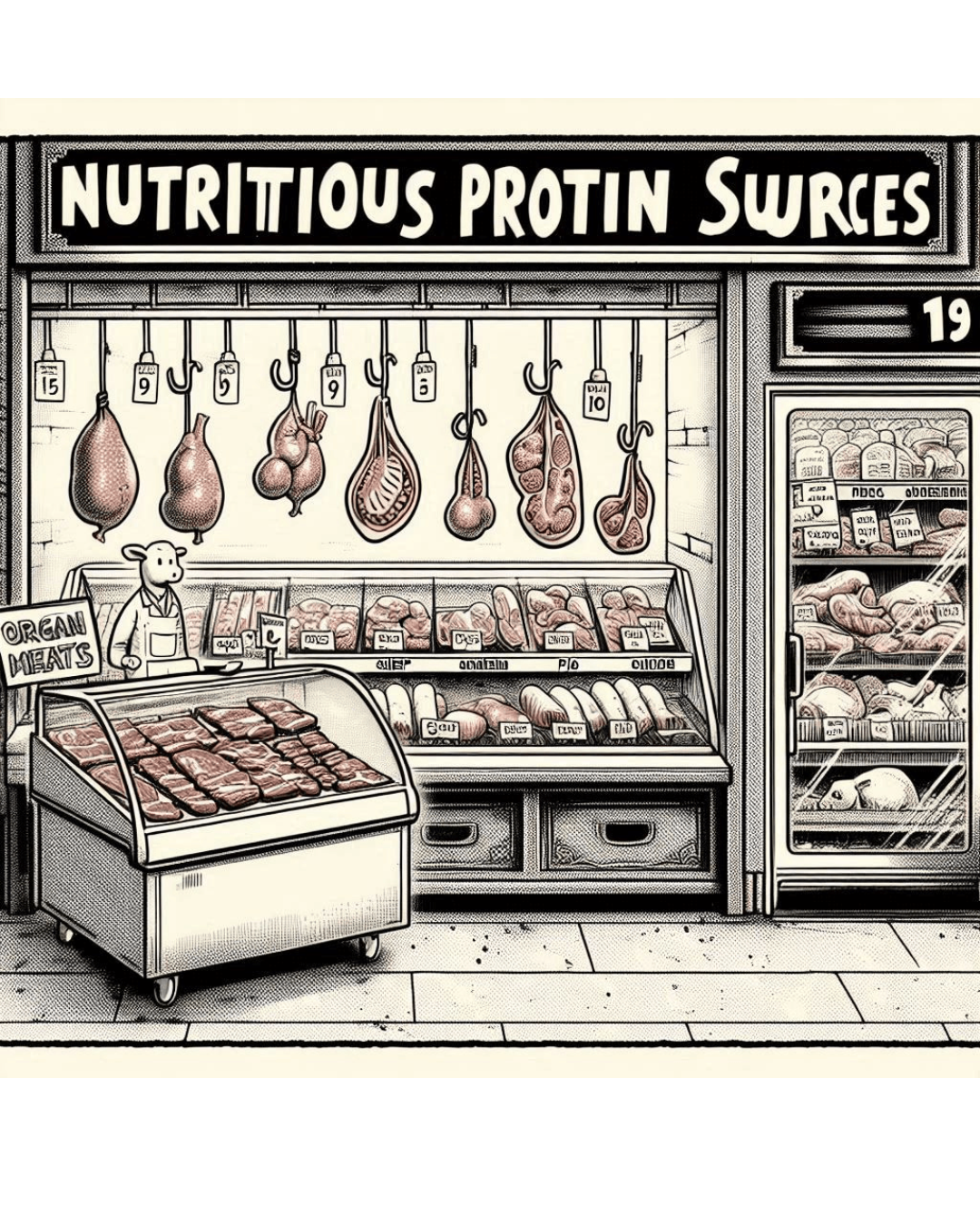
Wonder what happens to the meat in supermarkets that is not sold? It is sent off to pet food/fish food companies that don’t even remove the plastic/styrofoam packaging before turning it into your pet’s food!
Commercial pet food is a marvel of modern industry. Waste disposal poses a significant challenge in the food production sector, especially in the meat industry, which is particularly susceptible to waste due to the perishable nature of meat (like all good, natural food). While we humans like to consider ourselves omnivores or carnivores, we don’t utilize all parts of the animal as true omnivores and carnivores do. We desire only the tender flesh—excluding bones, organs, blood, fat, sinew, eyeballs, hooves, feet, ears, heads, cartilage, and even excised tumors or flesh from animals that die from disease or during transport to slaughter. This by-product must be disposed of somehow. In the past, when people killed and processed their own meat or had it done by local butchers, these by-products served to satisfy the dietary needs of the family dog. Nowadays, large processors handle all of that, leaving them with the waste and “by-products.” The pet food industry provides a destination for all of this waste while generating profit for everyone involved. What could be better?
From a purely business standpoint, it’s an ideal arrangement. Pet food producers mainly face the challenges of transportation and storage, which they have addressed by dehydrating and otherwise cooking or heat-processing the products to the extent that they do not decompose. This ingenious system alleviates the financial burdens associated with usable waste that food processors would otherwise need to manage. Wouldn’t it be wonderful if you could give your garbage to someone else and actually receive payment for it? Instead, not only do you pay for the useless fat and waste, but you also incur costs in the form of illness, suffering, and vet bills when your dog consumes it.
The by-products of the human food processing industry are here to stay and can provide adequate nourishment for dogs. If pet owners begin to demand that these products be offered in an unprocessed form, the system can continue without harming our dogs. Logistically, this might be more challenging, and there’s considerably less profit to be made from selling unprocessed animal parts compared to shelf-stable, waterless bags of kibble. However, if pet owners take the right steps and become more aware, the only alternative for the pet food industry may be gradual bankruptcy.
**WHAT IS IN COMMERCIAL PET FOOD?
**The deplorable and unnatural conditions in which modern farm animals are raised result in a significant number of diseased animals unfit for the human food market. The dead, dying, diseased, or disabled animals (known as “4-D”) that constitute the acceptable mortality rate for processors are often turned into pet food. Processors strive to salvage as much as possible from sick animals for human consumption, as this is more profitable. Consequently, it is typical for tumors and diseased body parts to be cut away during processing for human use. Shockingly, these tumors and diseased parts are not discarded but sent to rendering plants, where they are processed into pet food and other products. The affordability of pet food is largely due to the industry’s proficiency in sourcing the cheapest, lowest-grade ingredients for their products. This low production cost allows companies to keep prices low even while spending millions on advertising. It’s far less expensive than using ingredients that would genuinely meet your dog’s nutritional needs, and this is just one facet of the issue with commercial pet foods.
Here are a few additional lesser-known facts about commercial pet food and the repercussions of feeding it to our dogs:
- The meat in pet food primarily comes from “rendered” animals. “Rendering” is a euphemism for the process that transforms animals deemed unfit for human consumption into marketable products. Rendering companies are compensated to collect and “process” dead animals from sources such as medical labs, slaughterhouses, animal shelters, and veterinary offices. Animals that die from chemical injections, diseases, or belong to species not consumed by humans are processed into pet food.
- A popular brand of dog food sold in veterinary offices was developed by a doctor working for a large soap company. This company utilized fat from rendered animals in its soap production, but disposing of the remaining tissue was costly and challenging. They discovered that using it in pet food provided a profitable method of “disposal.” In fact, most pet food companies are subsidiaries of human food processing firms, leveraging the pet food market to profit from otherwise unusable waste products.
- Dogs possess a limited sense of taste and evaluate food primarily by smell. Pet food manufacturers recognize that without masking the unpleasant odor of their rendered product, dogs would be reluctant to eat it. They achieve this by coating the food with an ingredient referred to as “digest,” a cooked, fat-based liquid derived from processed, rendered animals. Another common substance used to make food more appealing to dogs is leftover restaurant grease, which is often rancid and treated with potent chemicals. Misleading and euphemistic language in ingredient lists is employed to keep dog owners unaware of what they are truly feeding their pets.
- Veterinary dentistry has become a profitable branch of veterinary medicine entirely due to the dog food industry. Veterinarians suggest that dental disease leads to organ failure and use this concept to pressure dog owners into getting their pets’ teeth cleaned regularly. However, the link between decaying teeth and organ disease is not causal (both are symptoms of a larger issue), and dental cleanings are unnecessary for dogs fed a proper diet. A genuinely healthy diet includes various foods that naturally clean teeth and excludes those that contribute to tartar and plaque buildup.
- Contrary to what many veterinarians and the flea remedy industry would have us believe, fleas are not an unavoidable aspect of dog ownership. Fleas, like other “parasitic” insects, are attracted to decaying or unhealthy flesh. Dogs that consume dead, commercially over-processed food tend to attract fleas due to the indigestible waste being expelled through their skin. Just as clean garbage cans do not attract flies, fleas and other parasites show little interest in dogs with clean digestive systems. At a minimum, when dogs are fed a natural diet, fleas become much easier to manage without resorting to toxic chemicals or costly, harmful pharmaceuticals. If this information isn’t enough to dissuade you from commercial pet foods…
PRODUCT TESTING
Recently, an undercover investigation revealed that Iams was conducting cruel experiments on dogs in their contract laboratories. While this may come as a surprise to some, it has long been understood that pet food companies have two primary objectives: 1) to generate profits and 2) to protect those profits. If they do not conduct experiments on live animals of the same species as their food products, they lack a legal defense if accused of making animals sick. This means that the innocent dogs unfortunate enough to end up in these labs endure lives filled with misery and suffering. Following the revelations about Iams’ contract labs, many consumers are switching to other commercial foods en masse, despite having no proof that other pet food companies do not engage in similar practices. In fact, there are ample reasons to suspect that they do.
ARE ALL COMMERCIAL FOODS BAD?
Yes.
The industry has not genuinely improved the quality of its products due to increased consumer awareness; instead, they have become more adept at marketing strategies, employing tactics such as regular dog owner testimonials. The Blue brand of dog food has seen significant success with this approach. The recent trend towards “grain-free” foods exemplifies this sleight of hand.
Grains should never have been included in dog food; their incorporation was driven purely by profit motives. So, when the industry stops including grains, they make a big show of being responsive to consumer concerns. Consequently, dog owners eagerly purchase “grain-free” food, proudly proclaiming that they feed only “grain-free.” When their dogs fall ill, they express confusion, claiming their dogs don’t consume grains! Meanwhile, the cunning processors have substituted grains with other cheap ingredients that are only marginally more digestible. Adding to the confusion, the largest processors, which previously included grains in their formulas, have, with assistance from the FDA and some dubious ‘evidence,’ suggested that “grain-free” foods cause heart issues in dogs. This appears to be a mere battle for market dominance, as these same large processors show little concern for the epidemic of diseases their products cause, including the one they attribute to grain-free foods (dilated cardiomyopathy, or DCM). Furthermore, my suspicions are heightened by the fact that the processors selling grain-free foods are primarily smaller companies, but collectively large enough to pose a threat to the big players. Unfortunately, due to the connections these mega companies have with the media, this narrative has gained traction among pet owners, leading many to abandon their preferred grain-free options and revert to grain-based foods, comforted by the false belief that their dogs will therefore be immune to heart problems. Personally, I do not care which side prevails in this market competition; all of them produce products that shorten dogs’ lives while profiting the pet sickness industry. We can only hope that some dog owners will see through this deception and feel compelled to research home feeding.
The claim by pet food processors that their foods contain no “by-products” is yet another act of deception. Meat by-products are legally defined as the internal organs, which are a natural part of a dog’s diet. However, because these organs repulse humans and most people are unaware of what ‘meat by-products’ entails, they mistakenly believe that purchasing food without them is beneficial. The reality is that foods containing by-products are not any better; “by-product free” is simply a meaningless term. Speaking of meaningless, so are the minimums displayed on dog food labels. Who wants to know the minimum amount of any ingredient in food? Wouldn’t you prefer to know the actual amount? If you were monitoring your sodium intake and read that a food contained at least 100 mg of sodium, would that provide the necessary information? NO. With this minimum nonsense, pet food processors have deceived consumers into believing they self-regulate or that there’s a regulatory body overseeing them. In reality, the requirements imposed on pet food processors are voluntary, the body that provides oversight (AAFCO) lacks authority and is primarily composed of industry insiders, and the information on labels is utterly useless. Compare the vague, cryptic “information” on dog food labels to a standard nutritional label on human food, and you will understand my point.
Commercial RAW dog foods are clearly superior to kibble and other over-processed foods; however, due to labeling deceptions and other factors, feeding them to your dog is ill-advised. Not only are they significantly more expensive than home-prepared meals, but they also contain excessive fat and often include costly, incompatible, unhealthful, and unnecessary ingredients like vinegar, garlic, oils, flax, and supplements. I frequently receive emails from individuals feeding these raw commercial grinds whose dogs and cats still fall ill. While the industry promotes these foods as the best option for dogs, they are anything but. If you want your dog to be as healthy and disease-free as possible, it is not only more economical but also better for your dog to learn the fundamental principles of proper home feeding outlined in this series.
This series will focus on feeding dogs, but if you have a cat, you’ll find my book helpful.
Thanks for reading Harsh’s Substack! Subscribe for free to receive new posts and support my work.
Originally published on Substack — view source